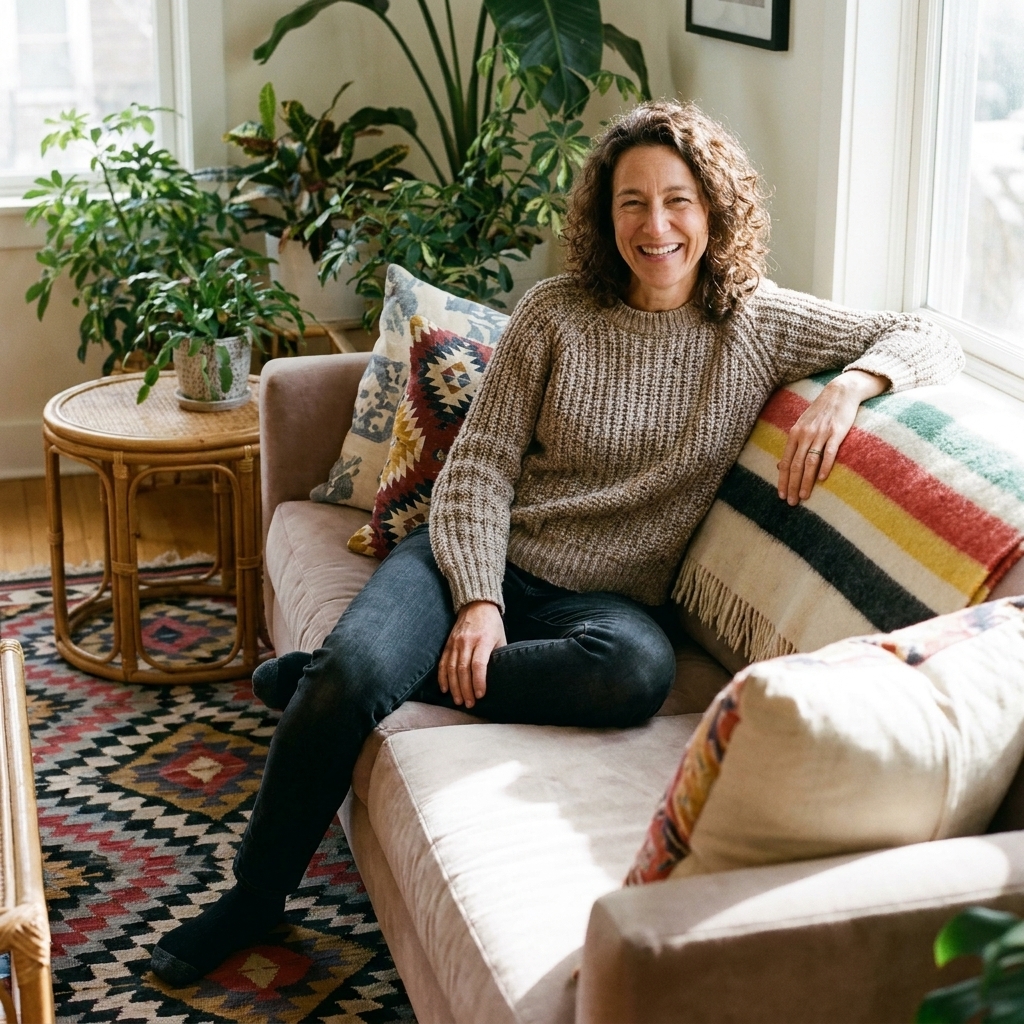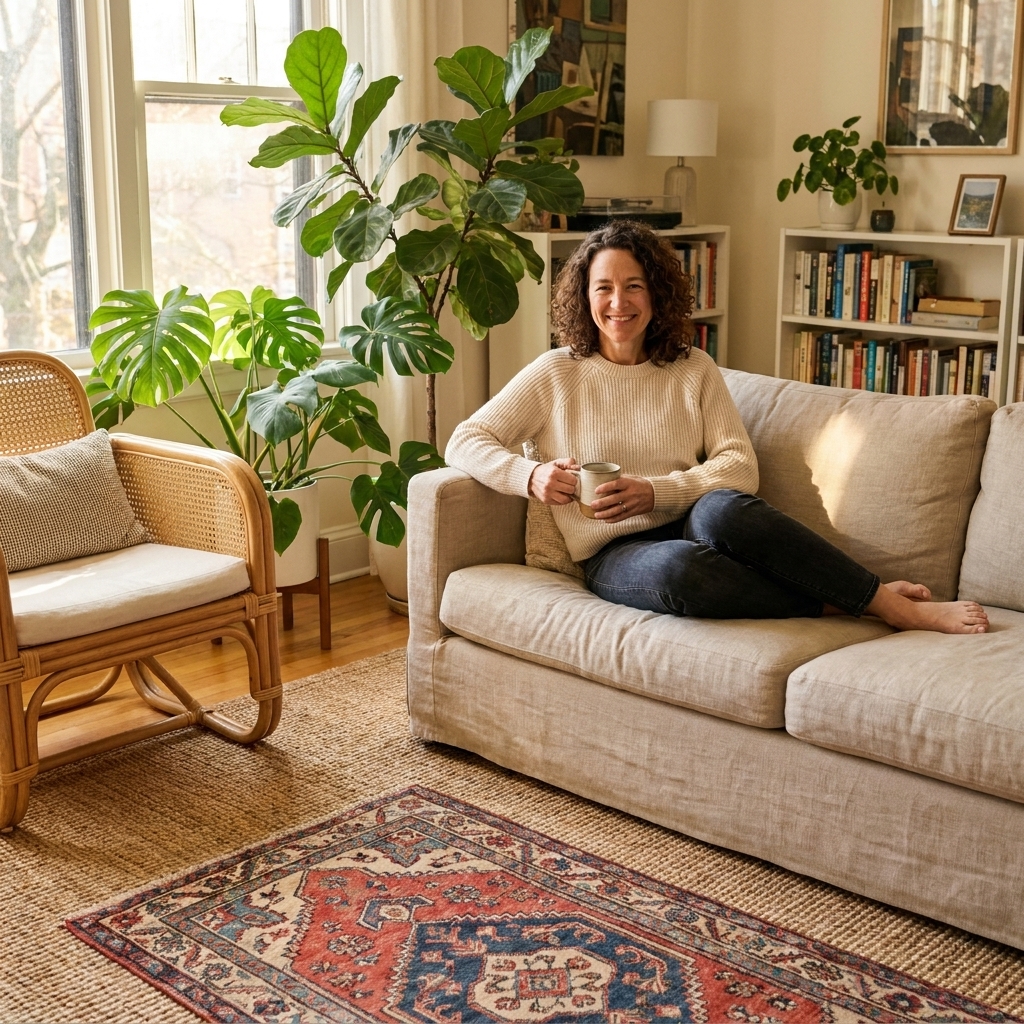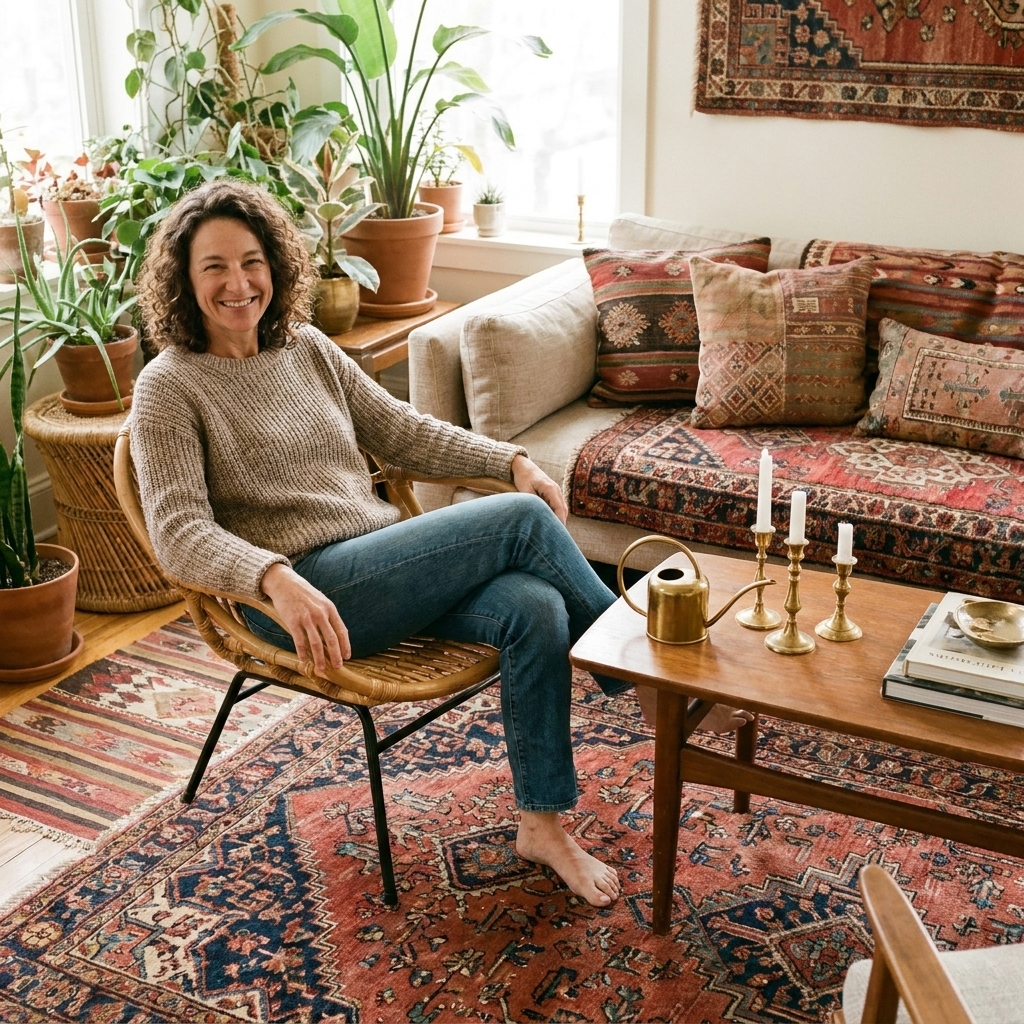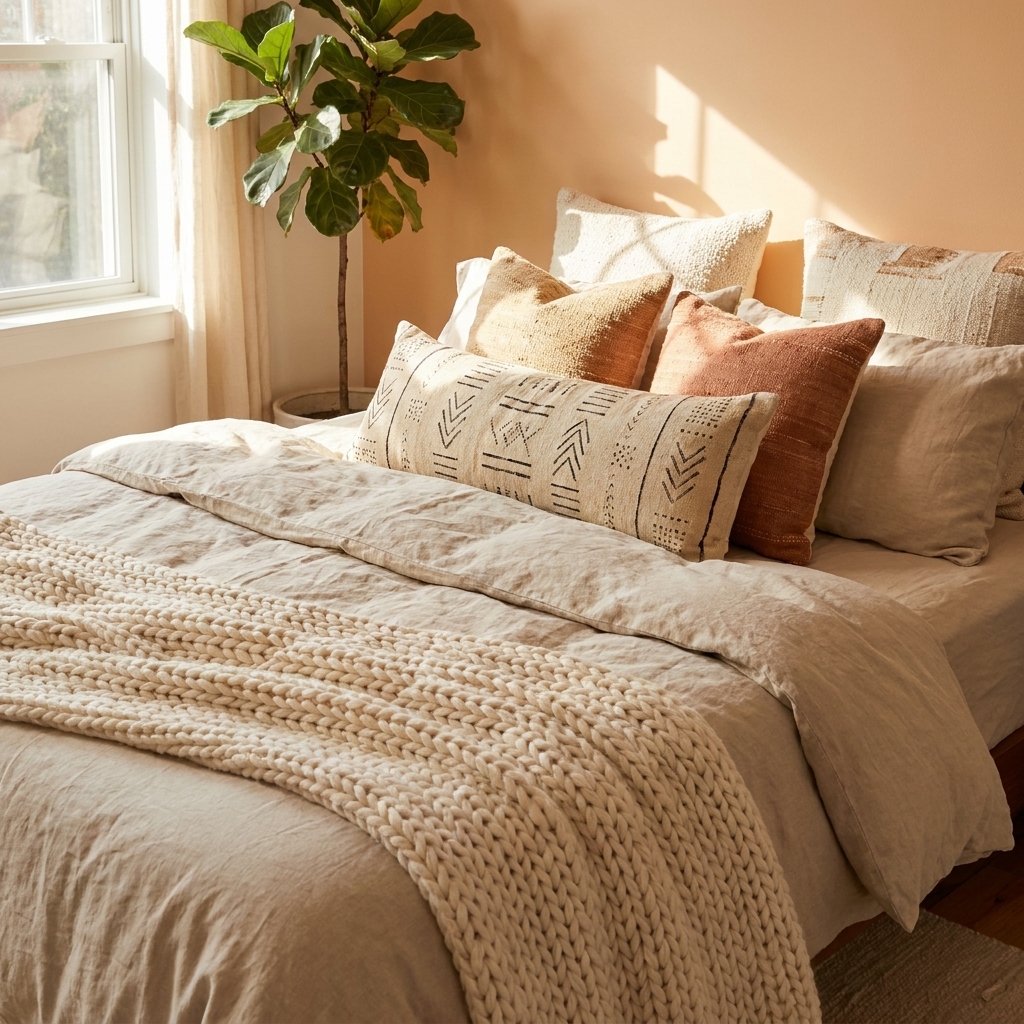

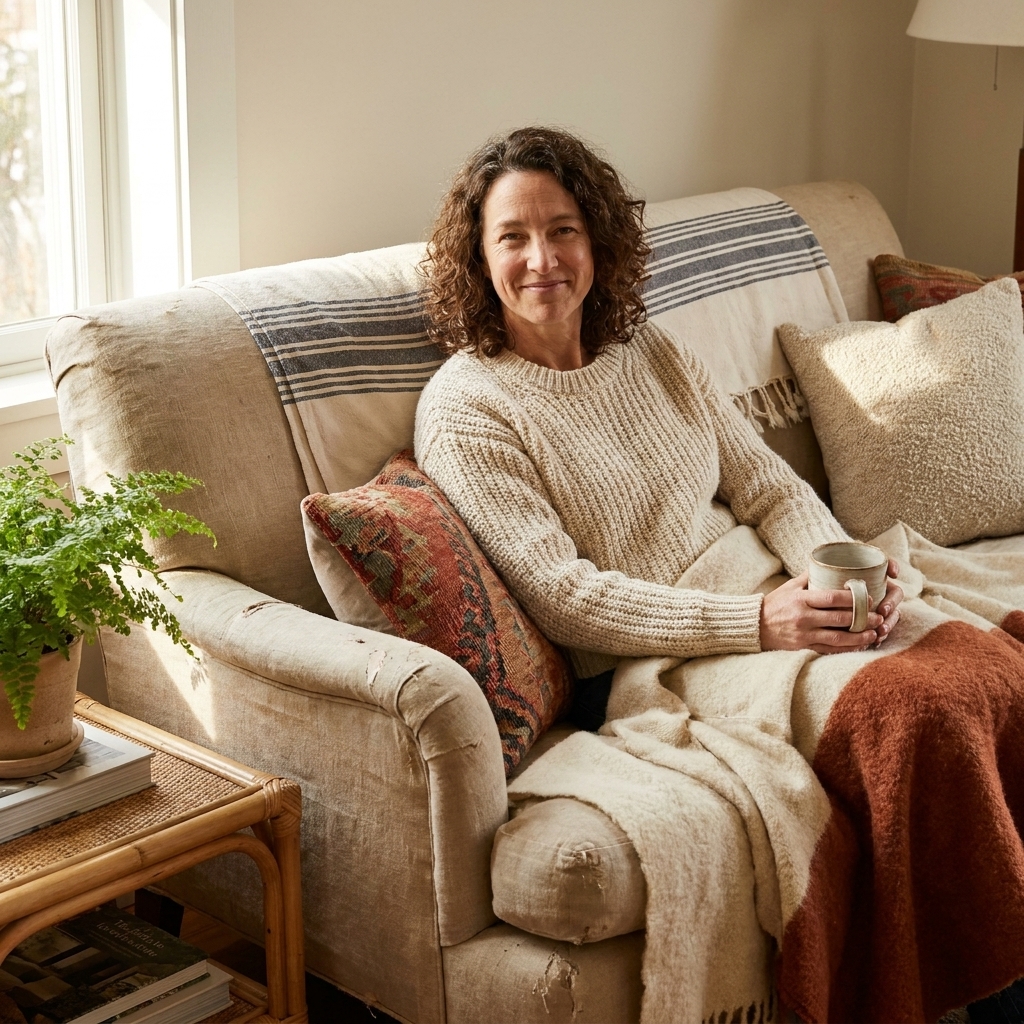
My very first “real” couch was a hand-me-down that had seen some things. Sun-faded arms, a suspicious shiny spot on one cushion, and fabric that pilled if you looked at it too long. I was renting, broke, and determined to make it feel like my living room anyway. The fix that actually worked was not a slipcover (too expensive, too fussy). It was throws, layered on purpose, pinned where it mattered, and styled like it was always meant to be that way.
If your sofa is structurally fine but visually tired, this is my favorite budget revival: Turkish towels for softness and drape, heavy woven throws for weight and coverage, and a few anchoring tricks so nothing slides into a sad blanket puddle the minute someone sits down.
Start with a 3-minute sofa reset
Before you drape anything, do a quick reset so the textiles sit smoothly and look intentional.
- Vacuum the cushions and creases. Cleaner fabric grips better (and it keeps your new layers from feeling gritty).
- Rotate and swap cushions. Put the least-worn, most supportive cushion in your main seat. If cushions are reversible, flip them.
- De-pill if needed. A simple fabric shaver makes throws look higher-end because they are not competing with fuzz.
- Decide what you are hiding. Arms? Seat? Back? Stains in one corner? This determines your “coverage map.”
Choose textiles that behave the way you want
This is the part most people skip, and it is why their throws always slide off. Different fabrics have different jobs. You want at least one piece with weight and one with drape.
My favorite budget combo
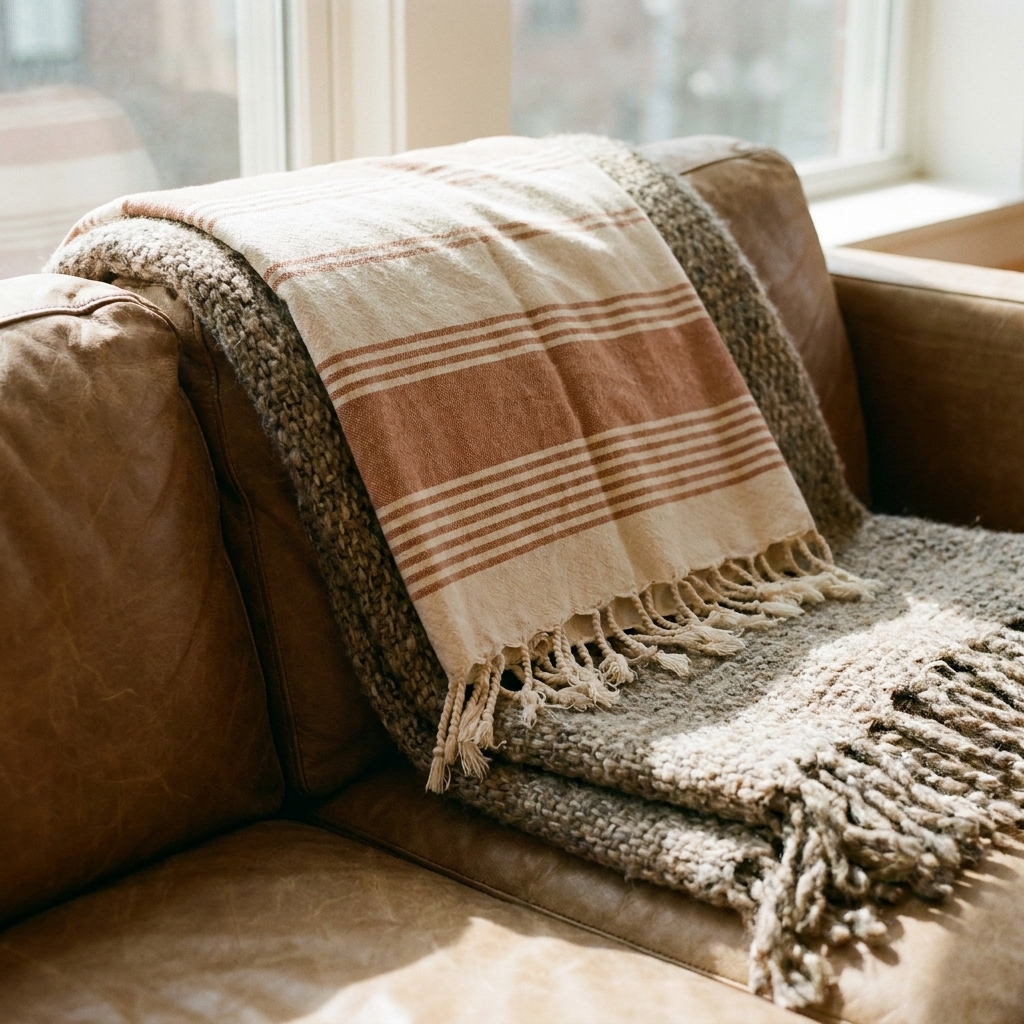
- 1 heavy woven throw (cotton, wool blend, chunky acrylic). This is your anchor layer. It stays put and hides wear.
- 1 Turkish towel (flat-woven cotton). This is your styling layer. It adds pattern without bulk and folds beautifully over the back or arm.
- Optional: a smaller lumbar throw or scarf-like textile for a third layer, especially if your sofa is long.
How to pick patterns that feel boho, not busy
I aim for a mix of scales: one larger motif, one subtle stripe or small weave, plus a solid to let your eye rest.
- If your sofa is dark: try lighter throws with warm contrast (cream, camel, clay).
- If your sofa is light: bring in one deeper tone (olive, rust, indigo) so it feels grounded.
- If you love bold pattern mixing: keep everything in a shared color family. My go-to trick is repeating one color two or three times across different textiles.
If you want more help mixing prints without clashing, I broke down my “same vibe, different pattern” approach here: How to Mix Bold Patterns Without Clashing.
Tools that make draping look tailored
You do not need fancy upholstery gadgets, but a few basics make a massive difference.
- Safety pins (medium and large). These are my secret weapon for “custom slipcover” energy.
- Upholstery twist pins (often sold as twist pins or screw pins). These are made to go into upholstered fabric and foam, but they may not work well on very tight weaves. Skip them on leather and very delicate fabric.
- Binder clips (hidden underneath) for joining layers temporarily while you test the layout.
- Thin rug pad scraps or shelf liner. A small piece between throw and cushion stops sliding, especially on slick upholstery.
- A wooden spoon or ruler to tuck fabric into creases neatly without shredding your knuckles.
Quick safety note: If you have little kids or pets who chew, keep pins and twist pins out of reach and use tucked layers plus grippy liner instead.
4 draping layouts that hide wear
Pick one layout and commit to it. The “artful” look usually comes from symmetry in the structure, even if the textiles feel casual.
1) Full back waterfall
This is the easiest to live with and it instantly softens the whole sofa silhouette.
- Center a heavy woven throw across the backrest so equal length falls down the front.
- Pull it taut across the top edge and tuck a couple inches into the back cushion crease.
- Use two hidden safety pins to pin the throw to itself on the back side near each arm. This creates “sleeves” that resist sliding.
- Add a Turkish towel on top, slightly off-center, with one end longer for that relaxed boho drape.
2) Arm caps + seat runner
If the arms are the problem, treat them like “zones” you are deliberately styling.
- Drape a Turkish towel over one arm with a clean fold at the front edge.
- Tuck the inside edge down between arm and cushion.
- Repeat on the other arm using the same towel style, or intentionally mismatch with a different towel in the same color family.
- Lay a heavier throw across the seat like a runner and tuck the front edge under the seat cushions an inch or two.
3) Corner camouflage
This looks like styling, not hiding.
- Place the heavier throw diagonally so the thickest part covers the stained area.
- Fold the top edge into a straight line across the back so it looks “designed.”
- To keep the diagonal from creeping, pin throw-to-throw on the underside where layers overlap, then tuck that pinned spot under the seat cushion.
- Add pillows to visually balance the opposite side.
4) Slipcover illusion
This is my rental-friendly “I cannot look at this fabric anymore” method.
- Start with a large, heavy throw covering the entire seat and back in one piece.
- Tuck deeply into the seat-back crack and along the sides, smoothing wrinkles outward.
- Add a second throw or Turkish towel over the back only, hiding the first layer’s top edge.
- Finish with pillows that echo one color from each layer to make it feel intentional.
Anchoring tricks so it stays put
Here is the truth: most throws fail because they are not anchored. A boho sofa can look relaxed, but it cannot be loose where people sit.
Where to tuck for invisible hold
- Seat-back crease: Tuck firmly here first. This is your main anchor line.
- Under the seat cushions: Pull the throw forward, then tuck the excess under the front edge of the cushions.
- Inside the arms: Tuck between arm and cushion to stop side slippage.
How to pin without making it look pinned
- Pin fabric to fabric, not to the sofa. I usually pinch a small pleat on the back side and pin through the pleat so the pin is never visible from the front.
- Pin at stress points: the top corners near arms, and the underside of the seat runner where layers overlap.
- Use fewer pins than you think: two to four well-placed pins look cleaner than ten scattered ones.
If your sofa is leather or super slick
- Add a strip of grippy shelf liner between leather and throw.
- Choose a chunkier weave for the base layer. Flat throws skate around on leather.
- Skip twist pins on leather. They can leave marks.
Make it look styled, not messy
This is the fun part, and it is mostly about repeating texture and creating a focal point.
- Fold edges on purpose. A crisp fold at the top of the backrest reads “designed.” A messy edge reads “I gave up.”
- Vary textures. Pair a nubby throw with a smoother towel and then add a pillow with fringe or embroidery.
- Ground the sofa with a rug. Even a small layered situation makes the whole setup feel finished. If you are into that collected, global vibe, you will love: Layering Vintage and Jute Rugs.
- Add one natural element nearby. A rattan basket, a wooden stool, or a plant stand makes your textiles feel like part of a whole story.
If you want to lean into that cozy, plant-filled look, my indoor jungle guide is right here: The Indoor Jungle.
Thrift-smart sourcing
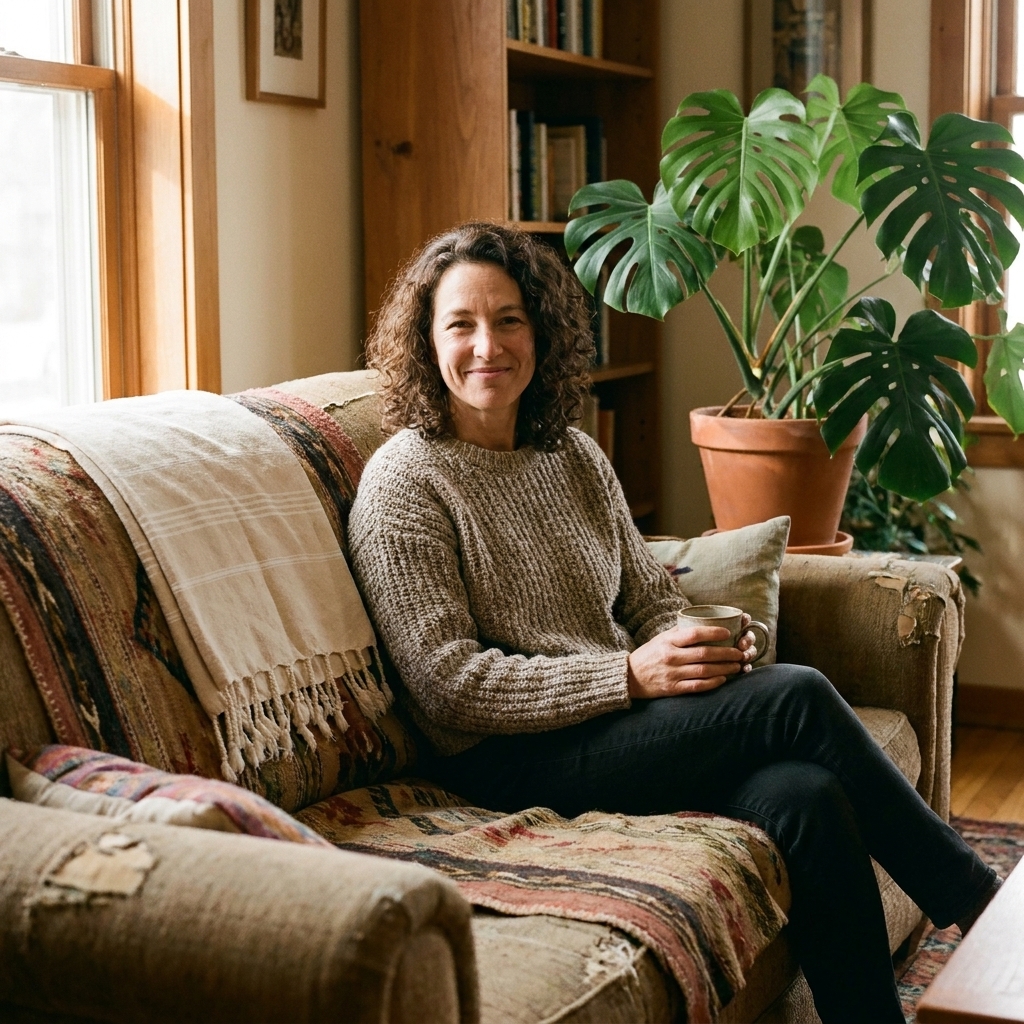
I thrift most of my sofa textiles. The trick is knowing what to grab and what to leave behind.
Yes, grab it if
- It is large enough to tuck. As a rough guide, around 50 x 60 inches works for light coverage, but for true seat tucks I usually prefer closer to 60 x 80 or bigger.
- The weave feels substantial and not flimsy.
- Colors look rich, not dingy, even if the piece needs washing.
- You spot beautiful texture: waffle weave, nubby cotton, tapestry-style, chunky knit.
Skip it if
- It sheds heavily when you run your hand over it.
- It has a lingering smell that does not feel washable.
- It is too small to anchor. Tiny throws can work as accents, but they will not revive a whole sofa.
One more thrift tip: wash thrifted textiles before they touch your upholstery, and be cautious with darker colors. If you are layering a deep indigo or black throw over a light sofa, I like to test for dye transfer by rubbing a damp white cloth on the fabric first.
If you love thrifting for decor, my budget thrifting approach is here: Budget Boho & Thrifting. And for specific categories worth hunting, I keep a running list of what I always check first: 10 Thrift Store Staples for Authentic Boho Style.
Care and maintenance
- Shake and refold weekly. Even if you never wash, a quick reset keeps the drape looking intentional.
- Wash Turkish towels often. They are usually easy-care cotton, and clean towels keep the whole sofa feeling fresh.
- Spot clean the heavy throw. Less washing can help reduce wear and pilling, but fiber content and friction matter too, so treat it gently either way.
- Keep a “seat zone.” If you sit in one spot daily, put the grippier, more washable layer on the seat and keep the prettier layer higher on the back.
- Plan for pet hair. If you have pets, tighter weaves trap less hair, and mid-tones (camel, taupe, heathered gray) tend to camouflage it better than stark black or bright white.
Common problems and fixes
The throw slides off the back
Use the seat-back crease tuck first, then pin the throw to itself at the back corners. Add a small strip of shelf liner under the top edge if your upholstery is slick.
It looks bulky
Swap one layer for a flatter textile like a Turkish towel. Then reduce tucks to just two anchor zones: seat-back crease and under the front cushion edge.
It looks like I am hiding something
Introduce one intentional detail: a clean folded edge across the back, a pillow that matches one stripe in your towel, or a second texture that reads “styled.” Hiding becomes layering when you repeat a color and commit to a layout.
My pets turn it into a nest
Choose a tighter weave (less snagging), avoid fringe on the seat area, and anchor the seat runner under the cushions so it cannot be easily pawed into a heap.
When throws are not enough
If your sofa frame is solid but the cushions are pancaked, a textile makeover will still help, but you may want to:
- Add inexpensive cushion inserts behind existing covers, if they zip.
- Use two layers on the seat: a base heavy throw tucked tightly, plus a smaller accent textile on top that you can easily straighten.
- Consider a long-term plan to thrift a better sofa while this one holds the fort.
Either way, I am firmly in the camp of making what you have feel beautiful today. A lived-in couch can still be the coziest seat in the house when it is wrapped in texture, story, and a little bit of clever tucking.