
I love a lush indoor jungle moment, but real life (and real windows) do not always cooperate. I have lived in rentals with moody corners, tiny panes, and that one hallway that feels like it has never seen the sun. When live plants struggle, dried botanicals step in like the most reliable roommates: always adding texture, never asking for water.
Pampas grass, dried palm leaves, bunny tails, eucalyptus, and preserved florals can make a room feel warmer and more layered, especially when your space is light-challenged. The trick is styling them intentionally so they look curated and artful, not like a forgotten bundle from the craft store.
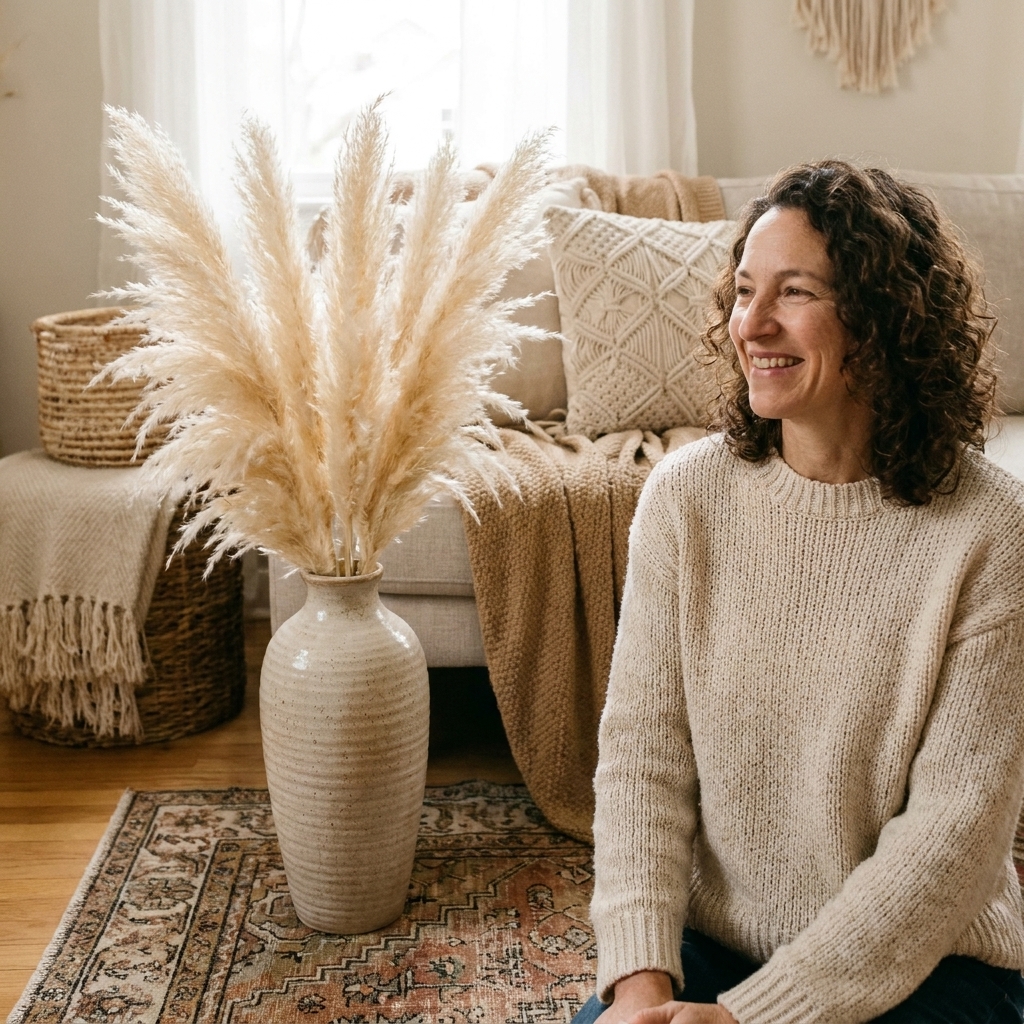
Why dried botanicals work in low-light rooms
Dried and preserved stems are my go-to when a room needs softness but cannot support live plants. They bring the organic, imperfect shapes of greenery, without the light requirements.
- They add volume fast. A single oversized plume arrangement can visually fill a corner the way a large plant would.
- They warm up hard surfaces. Think: tile, plaster, sleek cabinetry, metal shelving, or a minimalist console that feels a little too crisp.
- They play beautifully with textiles. Linen curtains, mudcloth pillows, and jute rugs all look better with a little natural “wildness” nearby.
- They are rental-friendly. No grow lights, no plant stands, no humidity hacks needed.
If you still want the plant-forward vibe elsewhere in your home, pair this with my approach to greenery placement in Arrange Houseplants Like a Designer, then use dried stems in the dimmer zones.
Dried vs preserved: what you are actually buying
These words get used interchangeably, but they behave a little differently.
Dried botanicals
Air-dried or dehydrated stems and grasses. They tend to be lighter, more fragile, and can shed. Pampas, bunny tails, and dried palm spears are common.
Preserved botanicals
Treated with glycerin or other solutions to keep them flexible and more “fresh-looking.” Preserved eucalyptus and ruscus are popular. Many preserved stems are also dyed, bleached, or lightly sealed, so color and texture can vary a lot by supplier and batch. If you are placing them on fabric or a porous surface, it is smart to make sure there is no color transfer.
My rule of thumb: For big, sculptural statements, dried grasses and palms are perfect. For wreaths, garlands, and anything you will handle often, preserved greenery is usually easier to live with.
Picking the right vessel (this is half the styling)
The container is not an afterthought here. Because dried botanicals are essentially sculpture, the vase or vessel sets the tone.
My favorite boho-eclectic vessel matches
- Oversized pampas + matte ceramic floor vase: calm, earthy, and architectural.
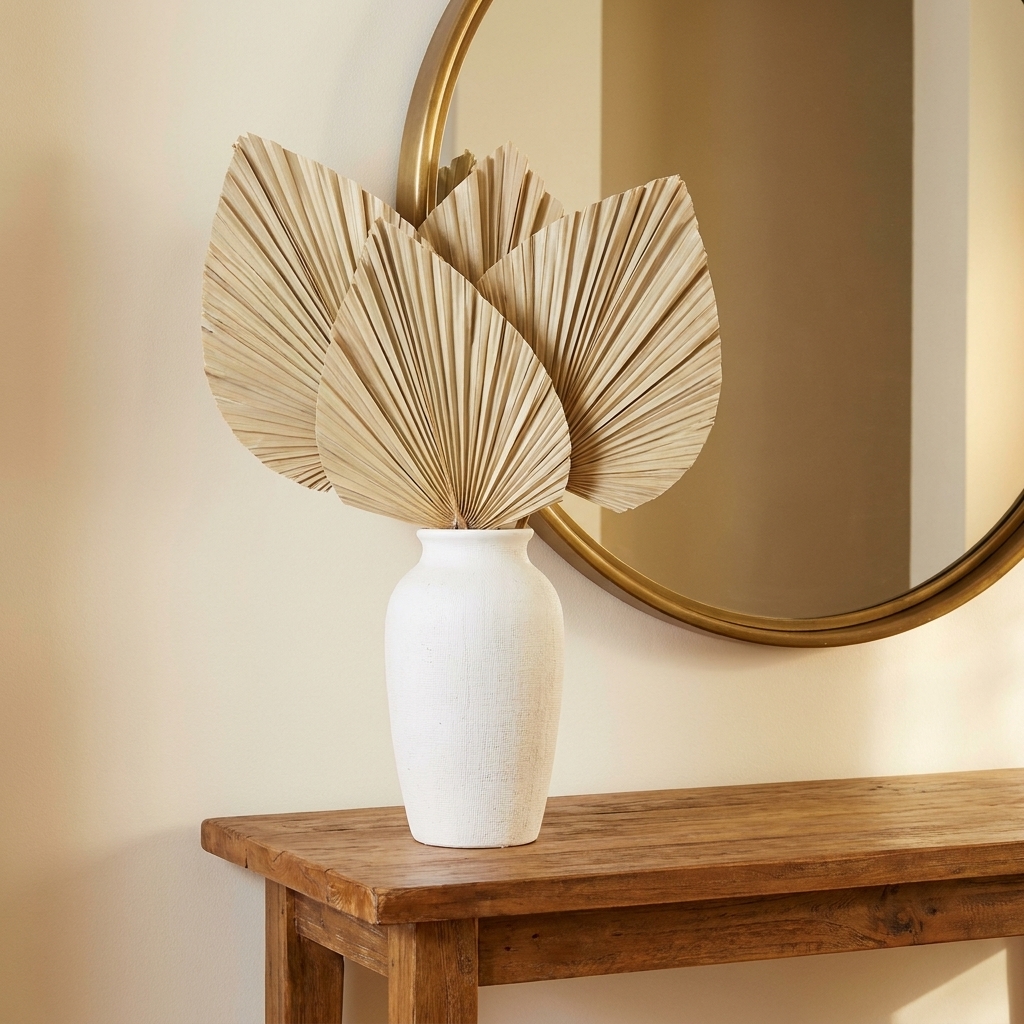
- Dried palms + tall rattan or woven vase: instant warm texture, great for coastal boho rooms.
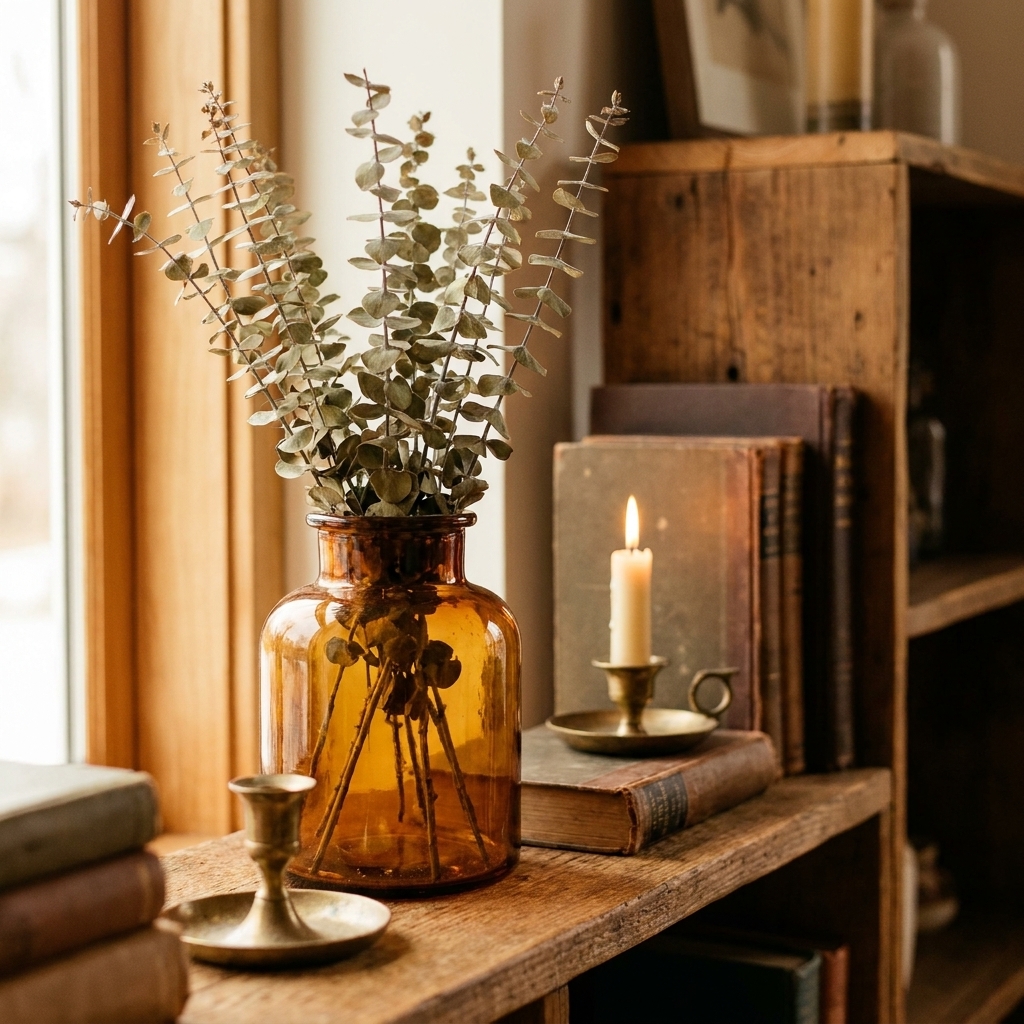
- Preserved eucalyptus + vintage glass bottle: looks found, especially in odd shapes and tinted glass.
- Small dried bouquet + thrifted stoneware pitcher: cozy kitchen shelf styling, slightly imperfect in a good way.
- Single dramatic stem + narrow bud vase: perfect when you want restraint, not clutter.
If you love weaving natural materials throughout a space, you will probably also enjoy Rattan, Wicker, or Bamboo? for picking the right texture in the right room.
How to make pampas look full
Pampas gets expensive fast. I have learned to style smaller bundles so they still look generous.
1) Fluff the plumes the right way
Take stems outside (or into a bathtub if you must), and gently shake and run your fingers through the plumes to loosen them. Turning the stem as you fluff helps it expand evenly. Go slow and gentle, since the more aggressive you get, the more shedding you invite.
2) Use the triangle arrangement
Place your tallest plumes slightly off-center, medium plumes to one side, and shorter stems forward. You want a loose triangle shape, not a ball.
3) Mix in cheaper supporting stems
Add a few filler stems so your pampas reads as a full arrangement:
- dried reeds
- bunny tails
- dried oats
- palm spears tucked behind plumes
4) Change the vase height to change the drama
A taller vase gives you gallery-level presence. A shorter vase makes pampas feel more casual and lived-in. If your plumes are very long, a floor vase is the simplest way to avoid awkward droop.
Where dried botanicals look best in low-light homes
I like to use dried arrangements in the spots where my real plants have staged a full protest.
Entryway corners
A tall vase of pampas or palm leaves is an instant welcome, especially if your entry has no windows. Add a tray for keys and a vintage catchall, and it feels styled without feeling fussy.
Bathrooms with no windows
Instead of forcing a live plant to suffer, do a small preserved eucalyptus bundle in a vase or wall hook. It reads spa-like and stays tidy.
Dark hallways
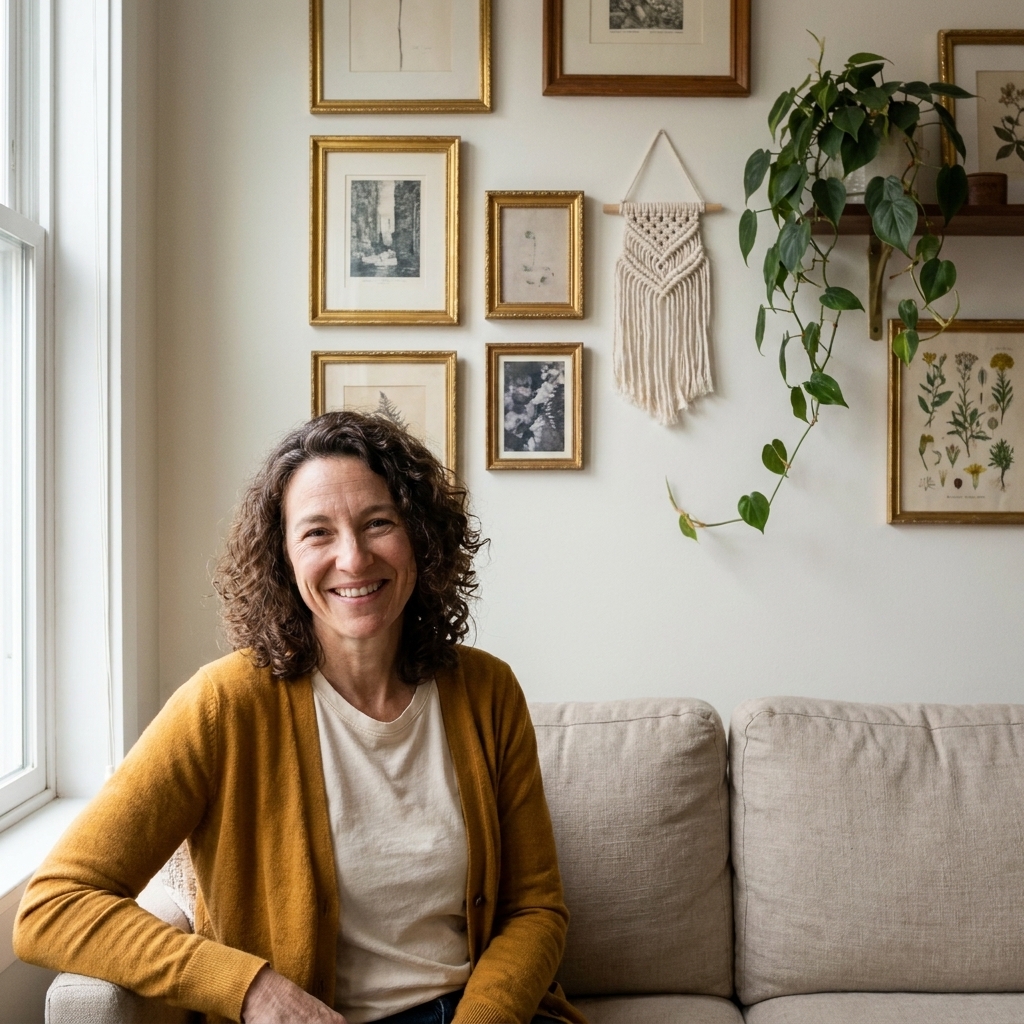
One sculptural arrangement on a slim console makes a hallway feel intentional. Bonus points if you echo the tones in a gallery wall. If you are building one, I shared my approach in Eclectic Gallery Wall With Mixed Frames and Art.
Bedrooms that need softness
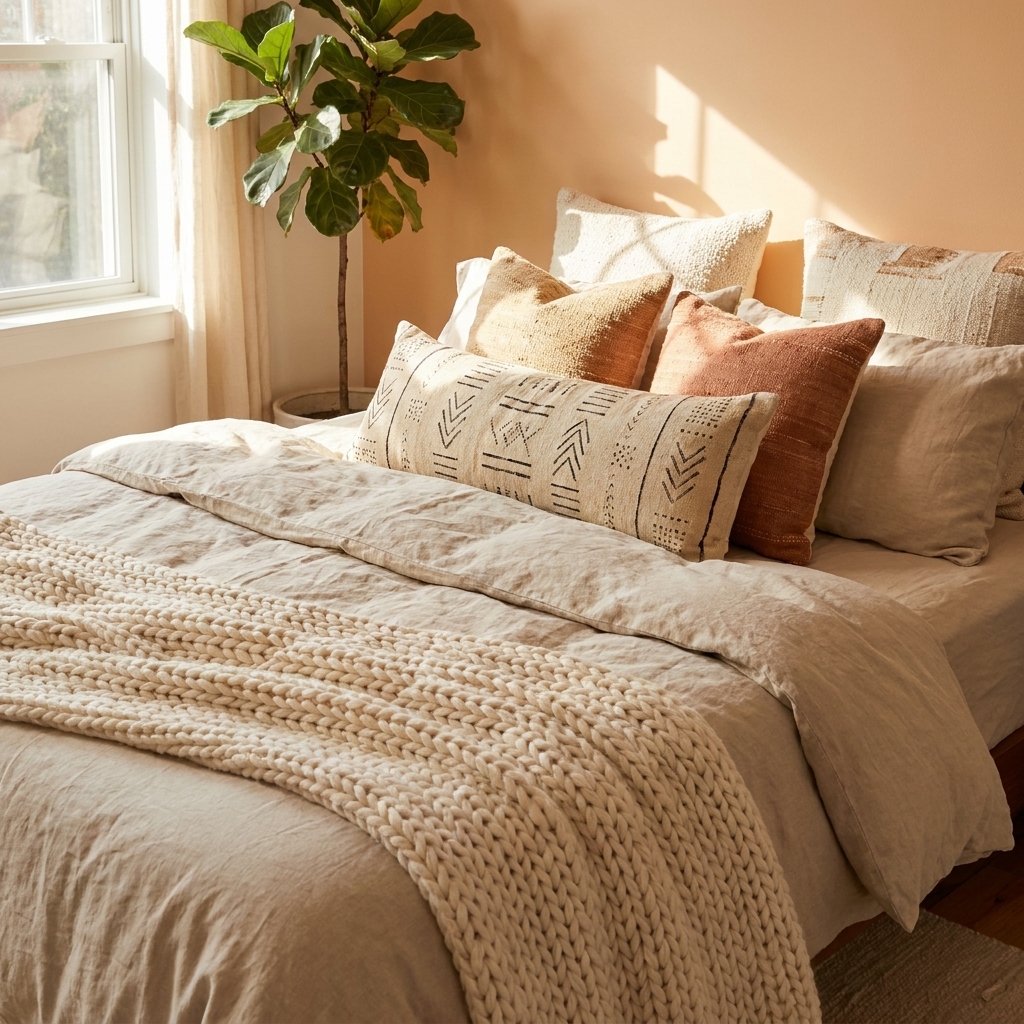
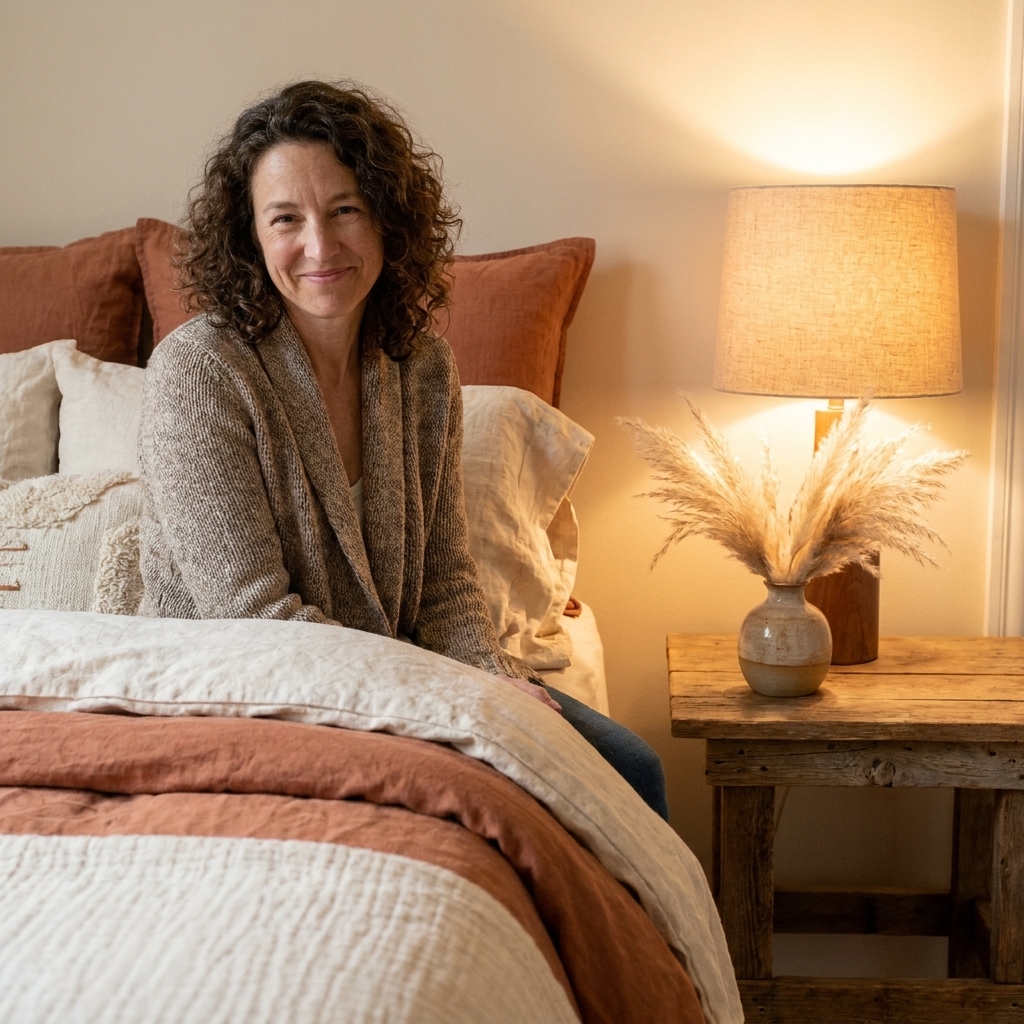
Dried stems are beautiful on nightstands and dressers because they add texture without visual noise. If your bedroom leans boho, they pair naturally with layered bedding. See How to Style a Boho Bed for that cozy, well-traveled look.
Styling ideas that feel intentional
The difference between “styled” and “I grabbed this at checkout” is usually scale, restraint, and mixing textures.
Go oversized on purpose
If you want pampas, let it be dramatic. One oversized arrangement looks more deliberate than three small ones scattered around.
Create a texture trio
Pair dried botanicals with two other natural textures nearby:
- a nubby textile (boucle pillow, linen throw)
- a woven element (basket, rattan chair)
- a grounded base (wood, clay, stone)
This is the same layering logic I use with textiles and rugs. If you love that lived-in, global feel, you will probably enjoy Textiles & Natural Elements for more texture-forward styling.
Mix dried with vintage
Try dried palms in a vintage urn, or a small bouquet in a thrifted brass vase. The old-plus-organic combo is peak eclectic.
Use negative space
Dried stems look best when they have breathing room. Do not crowd them with five small objects. Let them be the “art.”
Keeping dried botanicals looking good
Dried does not mean zero care, but it is delightfully close.
Minimize shedding
- Keep them out of high-traffic paths. Pampas especially will shed when brushed.
- Avoid direct blasts from vents. Constant airflow dries them further and can increase shedding.
- Dust gently. A cool setting on a hair dryer from a distance works, or a very soft feather duster. For delicate plumes, a clean, soft paintbrush can be surprisingly perfect.
Prevent fading
Bright, direct sun can bleach dried botanicals. If you love the look near a window, place them slightly off to the side, or rotate the arrangement occasionally so one side does not take all the light.
Watch humidity
Bathrooms can be tricky. Preserved stems often handle humidity better than fully dried grasses, but they are not invincible. Too much steam can lead to drooping, dye bleed, or even mildew depending on the product. Keep arrangements away from direct shower spray, and make sure the room is well ventilated. If you notice bending or a musty smell, move the arrangement to a drier spot.
Keep them away from heat and flames
Dried botanicals are, well, dry. Keep them away from candles, fireplaces, radiators, and stovetops (especially open flame). I treat them like I would a paper lampshade: pretty, but not something I want near heat.
If you have pets or allergies
Pampas can be irritating for some people, especially if you are sensitive to dust or pollen-like fluff, and it can be tempting for pets. If that is you, consider sturdier options like dried palms, preserved eucalyptus, or preserved ruscus, and keep arrangements out of reach.
Easy recipes for dried arrangements
These are the combinations I reach for when I want something that looks styled but takes five minutes.
Recipe 1: Warm neutral pampas (floor vase)
- 5 to 7 pampas plumes (mix heights)
- 5 dried reed stems or dried oats
- 1 to 3 palm spears behind for structure
Look: soft, airy, cozy. Great with earth tones and creamy walls.
Recipe 2: Desert-modern palms (console or mantel)
- 3 to 5 fan palms (vary size)
- 2 to 3 bleached ruscus or preserved stems for contrast
Look: graphic and sculptural. Perfect when you want texture without “fluff.”
Recipe 3: Moody preserved greenery (small vase)
- 6 to 10 stems preserved eucalyptus or ruscus
- optional: 1 dried flower stem for a tiny pop of color
Look: calm and slightly dramatic, especially with dark wood and brass.
Common pampas and dried floral mistakes
Mistake: The arrangement looks like a broom
Fix: widen the base. Use a larger mouth vase, add filler stems, or crisscross stems inside the vase so they splay outward.
Mistake: Everything is the same height
Fix: trim some stems shorter and build a clear tall-medium-short rhythm. Nature is uneven. Your arrangement should be too.
Mistake: It feels dusty and tired
Fix: pull out any crushed stems, dust gently, and rotate a few new accents in. Sometimes swapping the vase alone brings it back to life.
Mistake: It reads too beige
Fix: add contrast nearby, not necessarily in the arrangement. A deep clay wall art piece, a vintage indigo textile, or a darker wood surface makes neutrals look richer. If you are deciding on a palette, Earth Tones vs Jewel Tones for Eclectic Homes can help you find the balance.
Thrifty ways to source dried botanicals
I am always rooting for the budget-friendly route, and dried stems are no exception.
- Thrift stores and flea markets: look for vintage vases first. The vessel is often the expensive-looking part.
- End-of-season clearance: dried stems rotate through home stores seasonally.
- Foraging (where allowed): fallen palm fronds or grasses can be air-dried at home. Make sure you are not taking from protected areas and avoid anything treated with pesticides.
- Swap bundles with friends: if you have one friend who bought a giant pampas bunch, you can each take half and both get the “full” look.
If you want more secondhand decorating strategy (what to grab, what to skip, and how to spot pieces with good bones), start with Budget Boho & Thrifting.
FAQ
Do I need to seal pampas grass?
Not always. If shedding is driving you nuts, a light mist of hairspray from a distance can help, but it can also darken or stiffen the plumes. I prefer placement solutions first (out of traffic, away from vents), then sealing only if needed. If you do seal it, test one plume first and let it fully dry before you commit to the whole bunch.
How long do dried botanicals last?
In a calm, dry spot, pampas and palms can look good for a year or longer. Preserved greenery often lasts longer because it stays flexible, with many preserved eucalyptus bundles looking good for 1 to 3 years indoors (sometimes more) depending on light, dust, and humidity.
Can I use dried botanicals in a kitchen?
Yes, just keep them away from the stove, heavy grease zones, and open flame (including candles on the counter). A small dried bouquet on open shelving can be gorgeous, especially if you like that warm, found look. If you are styling shelves, see Styling Open Shelves in an Eclectic Kitchen.
What if my room already has a lot going on?
Go sculptural and simple. One vase, one statement botanical type, and let it act like a calm pause in a maximalist space. If you love layered style but hate visual chaos, Maximalist Boho in Small Spaces Without the Clutter has the mindset that keeps things feeling intentional.
The goal: nature, without the stress
Dried botanicals are one of my favorite decorating “shortcuts” because they do not feel like a shortcut. They add that earthy, global, lived-in texture that makes a home feel warm, especially in the tricky low-light rooms where live plants just will not thrive.
If you try one thing from this guide, make it this: choose a vessel you love, go a little bigger than you think you should, and give your arrangement enough space to feel like art.