
I have a soft spot for the in-between stage of plant parenting, the little glass of water on a windowsill where a cutting is quietly deciding to become a whole new plant. For years, my “system” was a rotating lineup of jam jars and random vases perched wherever there was light. Cute, yes. Coordinated, absolutely not.
Then I started treating propagation like decor. Not fussy, not expensive, just intentional. A few thrifted bottles, a simple wall rail, and suddenly my cuttings looked like part of the room instead of a science project I forgot about.
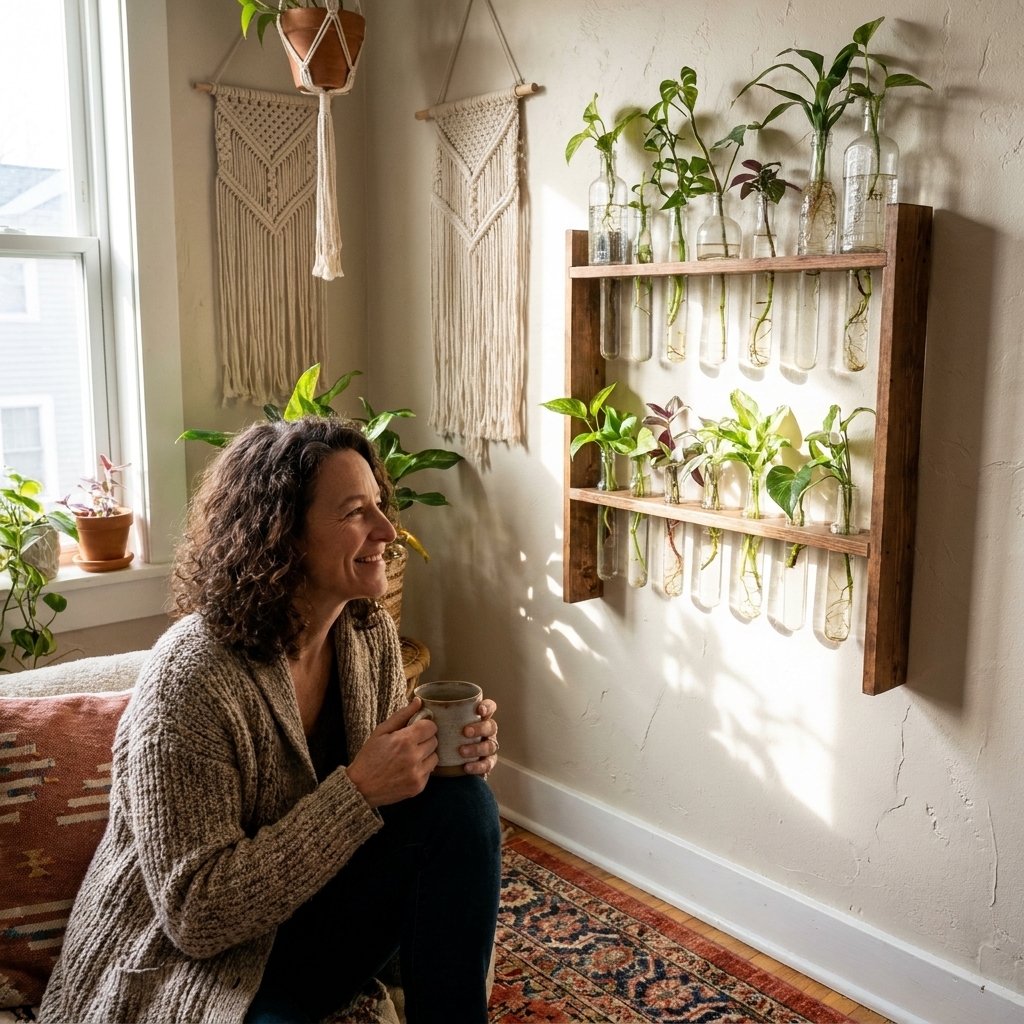
This is my step-by-step approach to building an eclectic propagation station on a budget, using the kind of vintage glass you can find at thrift stores, flea markets, and the back of your own cabinet.
Why it works
An eclectic space thrives on small collections that look purposeful. A propagation wall does that beautifully because it combines:
- Texture: glass, wood, metal brackets, macrame, even a little patina
- Life: leafy cuttings that change week to week
- Story: thrifted vessels with their own history
It is also one of the cheapest ways to “grow” your decor. One pothos cutting today can become a lush shelf plant later.
If you want your greenery to look styled instead of scattered, my favorite companion read is Arrange Houseplants Like a Designer. It will help you place the finished plants once your cuttings root.
What to thrift
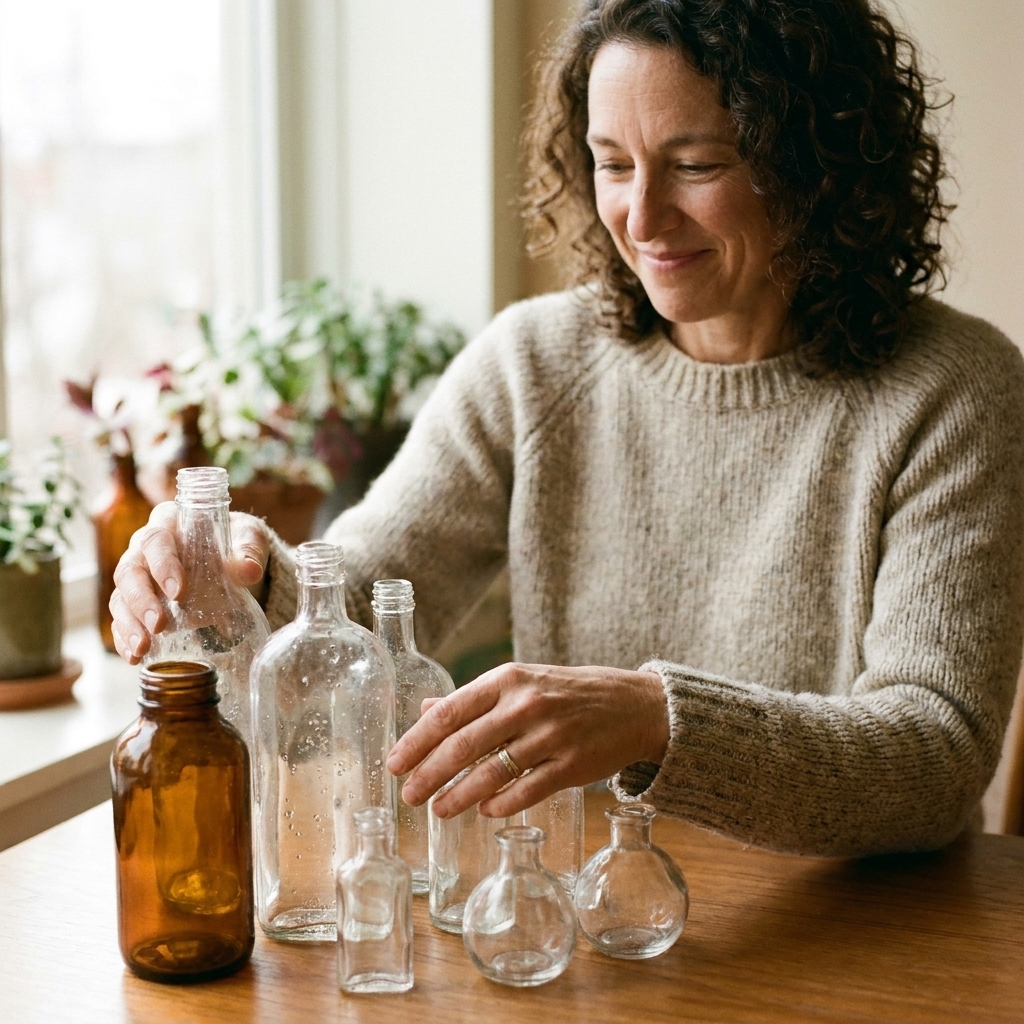
The goal is variety that still feels cohesive. I like to pick one unifying detail, then let the shapes do the rest. For example: all clear glass, or all amber glass, or all slim-neck bottles.
My favorite vessels
- Vintage soda bottles and apothecary bottles: narrow necks support stems nicely
- Bud vases: especially great for single-node cuttings
- Small decanters: stable base, pretty silhouettes
- Mini clear jars: perfect for chunkier cuttings like philodendron
- Test tubes: the easiest way to get that “prop wall” look
- Candle hurricanes (small): for larger cuttings or multiple stems
What to check before you buy
- Neck size: Can the cutting sit upright without flopping?
- Stability: Does the base feel heavy enough for a wall display or shelf?
- Cloudiness: A little haze is fine. Thick mineral buildup can be a pain.
- Chips: Small chips on the rim are okay for decor, but avoid sharp edges if you will handle it often.
If you are already in thrifting mode, you will probably enjoy my deeper guide to hunting decor gems in Budget Boho & Thrifting.
Display options
You do not need a specialty kit. Pick the display style that fits your space and your comfort level with drilling holes.
Option 1: Wall rail with clips (my go-to)
This is the easiest way to get a clean, “collected” look. You mount a simple rail (wood or metal), then use holders to keep vessels upright. The most common budget-friendly option is small metal pipe clips (the kind used for conduit), or sturdy curtain rings with a tight insert.
- Best for: small spaces, rentals (if you can use a couple of anchors), anyone who wants a straight line arrangement
- Look: tidy, gallery-wall-adjacent
Option 2: Floating shelf ledge
A shallow shelf lets you swap vessels constantly and expand as your plant family grows. It is also forgiving if some bottles are a little wider.
- Best for: people who want flexibility, wider vases, grouping small decor with plants
- Look: layered, styled, casual
Option 3: Hanging macrame or leather loops
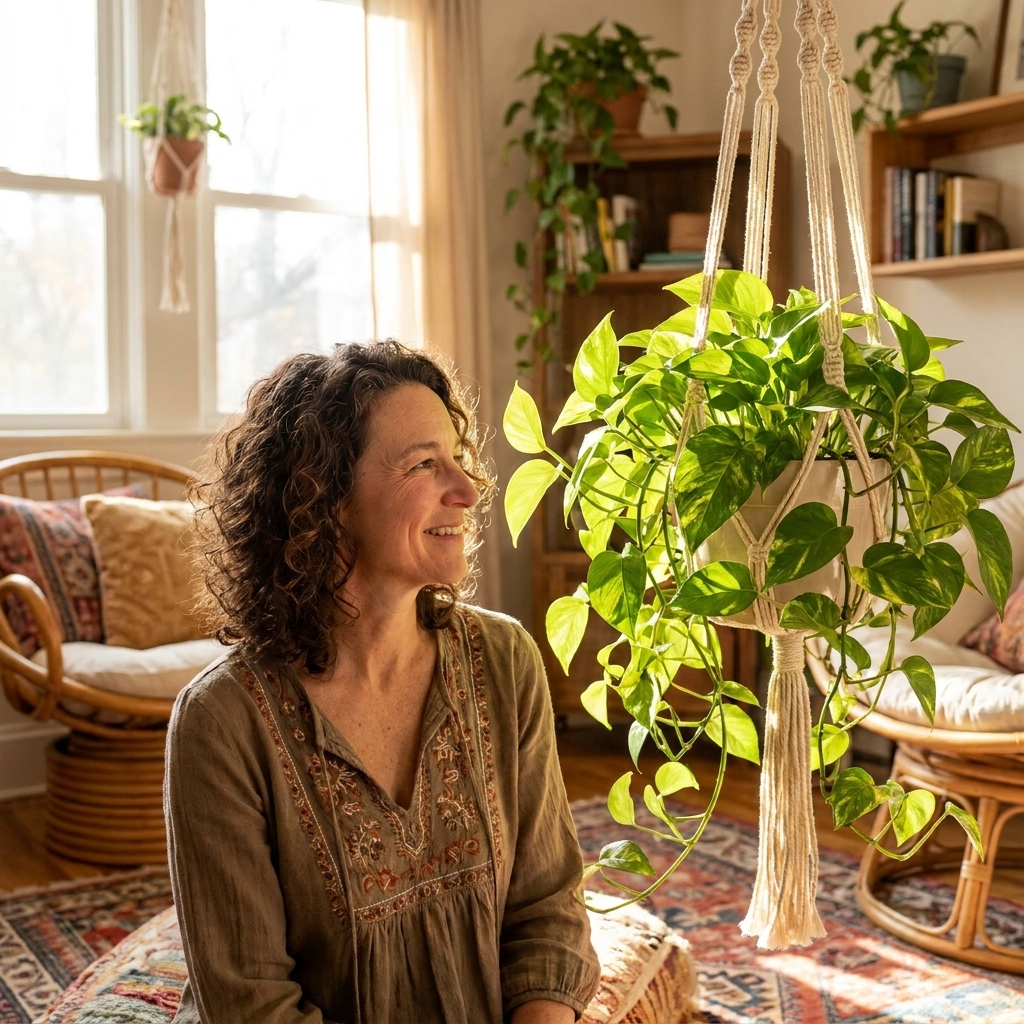
If your vibe leans boho-soft, hanging bottles look dreamy in a bright corner. Just keep them out of heavy traffic areas.
- Best for: trailing plants, corners near windows, adding movement
- Look: airy, relaxed, textural
Trailing cuttings look especially good here. If you want ideas for what to propagate first, see Top 10 Trailing Houseplants for Macrame Hangers and High Shelves.
Build a wall station
I am going to walk you through my simplest version: a wall-mounted station that mixes thrifted bottles and test tubes. Adjust the scale up or down.
Materials
- 5 to 9 small glass vessels (test tubes, narrow bottles, bud vases)
- 1 display base: a short wood board, a slim shelf, or a wall rail
- Hardware: wall anchors and screws appropriate for your wall type
- Holders: pipe clips, small metal brackets, or leather/cord loops
- Measuring tape and pencil
- Level
- Optional: sandpaper and stain or oil for the wood
1) Pick the spot
Most tropical houseplant cuttings do best in bright, indirect light. I look for a place that gets good daylight but no harsh midday sun blasting the glass.
- Great spots: near an east-facing window, beside a bright kitchen window, above a plant shelf
- Avoid: above a radiator, right next to a heat vent, tight hallways where elbows will knock things
2) Choose your collection rule
To keep eclectic from turning chaotic, pick one simple rule:
- All clear glass, mixed shapes
- All amber and green glass, mixed sizes
- All slim vessels, mixed heights
This one decision makes the whole thing look curated.
3) Clean thrifted glass
My quick thrift-glass routine:
- Soak in warm water with a drop of dish soap.
- Use a bottle brush or a handful of uncooked rice plus soapy water to swirl out stubborn residue.
- Rinse well.
- For mineral film, soak with equal parts warm water and white vinegar for 20 to 30 minutes, then scrub and rinse.
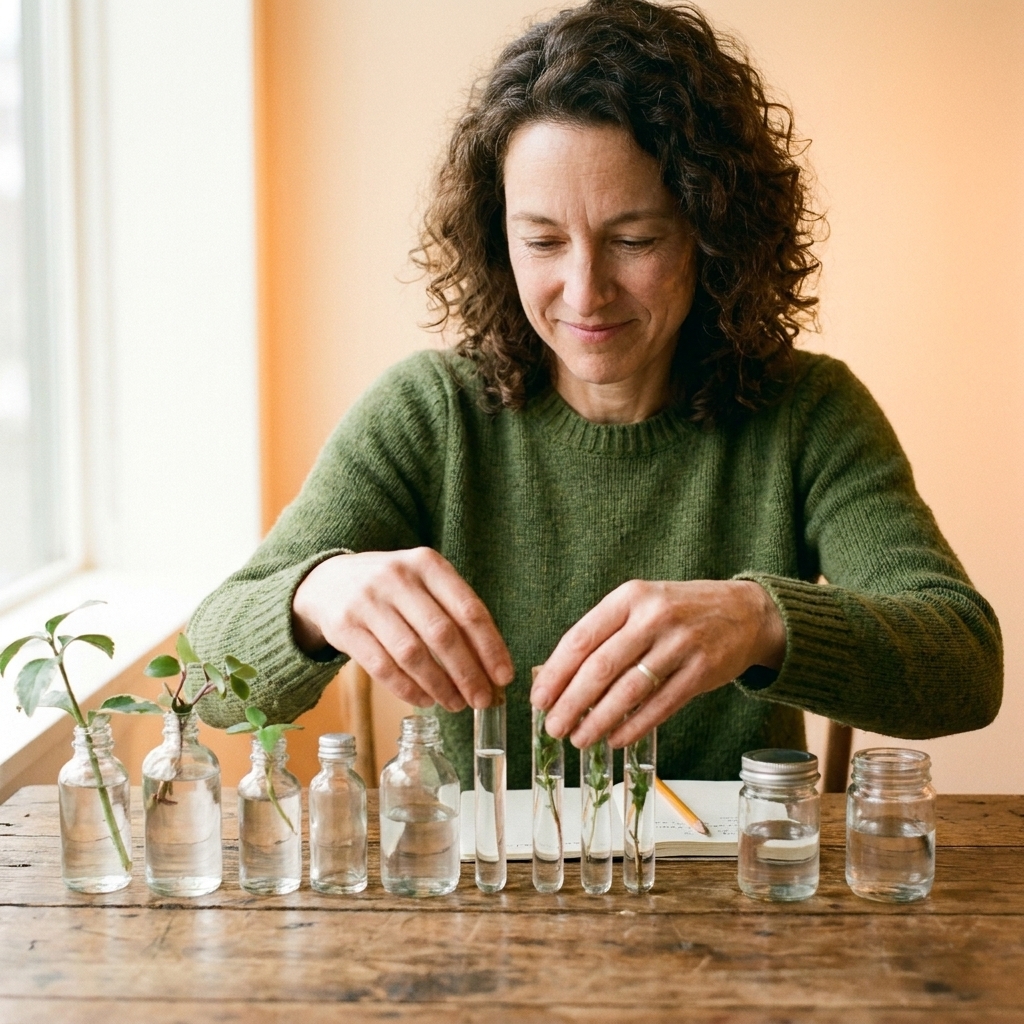
4) Lay out the arrangement first
This is where you avoid the “why does it look weird” moment after it is already on the wall. Arrange your vessels in a loose pattern:
- Choose a balance rule and repeat it: tallest in the center, or tallest toward the ends.
- Repeat at least two similar shapes so it feels intentional.
- Leave enough space so you can lift each bottle out without bumping the next one.
5) Mount the base securely
If you are mounting into drywall, use anchors rated for more weight than you think you need. Water and glass add up quickly.
- Mark your screw holes with a pencil.
- Use a level, then check it again. This is the moment to be picky.
- Install anchors if needed, then screw in the base.
6) Attach holders and test
Before you add water, test every holder with an empty vessel.
- Make sure clips grip firmly.
- Make sure loops do not slide side to side.
- Give the base a gentle shake. If anything rattles, adjust now.
7) Add water and cuttings
Fill vessels about one-half to two-thirds full. You want nodes underwater, but you do not want leaves sitting in water.
Then add your cuttings and step back. This is the fun part because it looks like decor immediately, even before roots show.
Easy plants to start with
Some plants root like they have somewhere to be. Start with the forgiving ones, then branch out.
My reliable list
- Pothos: fast, forgiving, looks great trailing
- Heartleaf philodendron: similar to pothos, slightly more velvety vibe
- Tradescantia: roots quickly and adds color (it also appreciates fresh water and shorter stems so it stays crisp)
- Spider plant pups: practically do the work for you
- Monstera adansonii: roots well and looks artsy in glass
How to take a cutting
- Use clean scissors or pruners.
- Cut just below a node (the spot where leaves and aerial roots emerge).
- Remove any leaves that would sit underwater.
- Pop it in water and give it bright, indirect light.
If your bigger goal is that lush, layered look, I also love pairing a prop wall with a few planters in mixed finishes. Mixing Terracotta, Glazed Ceramic, and Woven Planters is a great guide for that collected feel.
What to avoid
Not everything loves a water setup, and that is where people get discouraged.
- Most succulents: they usually do better with a callus period and soil propagation than living long-term in water.
- Woody stems: some shrubs and tougher, woodier houseplants can be slow to root in water and may do better in a humid soil mix.
- Protected plants: if a plant tag says propagation is restricted (common with patented varieties), respect that. I stick to sharing cuttings from my own plants or swaps where it is clearly allowed.
Care routine
Propagation stations are low effort, but they are not no effort. A simple routine keeps algae and mushy stems away.
Weekly
- Top off water as it evaporates.
- Remove any yellowing leaves.
- Rotate vessels if one side is leaning toward the light.
Every 7 to 14 days
- Change the water completely. If your station gets a lot of light and you see algae starting, switch it out more often.
- Rinse the vessel quickly.
- Swish stems gently to dislodge any slimy buildup.
Water choice
Room-temperature water is my default. If your tap water is heavily chlorinated and you notice cuttings stalling, letting water sit out overnight can help, and so can more frequent water changes.
When to pot up
As a rule of thumb, I pot cuttings when roots are about 2 to 4 inches long and there are a few branches of roots, not just one lonely string. Timing varies by plant, season, and how fast that cutting is growing.
If you pot too early, it can stall. If you leave them in water forever, they often grow water-roots that can be a little dramatic when switching to soil.
How to transition to soil
- Pre-moisten your potting mix so it is evenly damp, not soggy.
- Plant the cutting, then keep the soil consistently lightly moist for the first 1 to 2 weeks.
- For fussy cuttings, a little extra humidity (even just grouping plants together) can make the switch smoother.
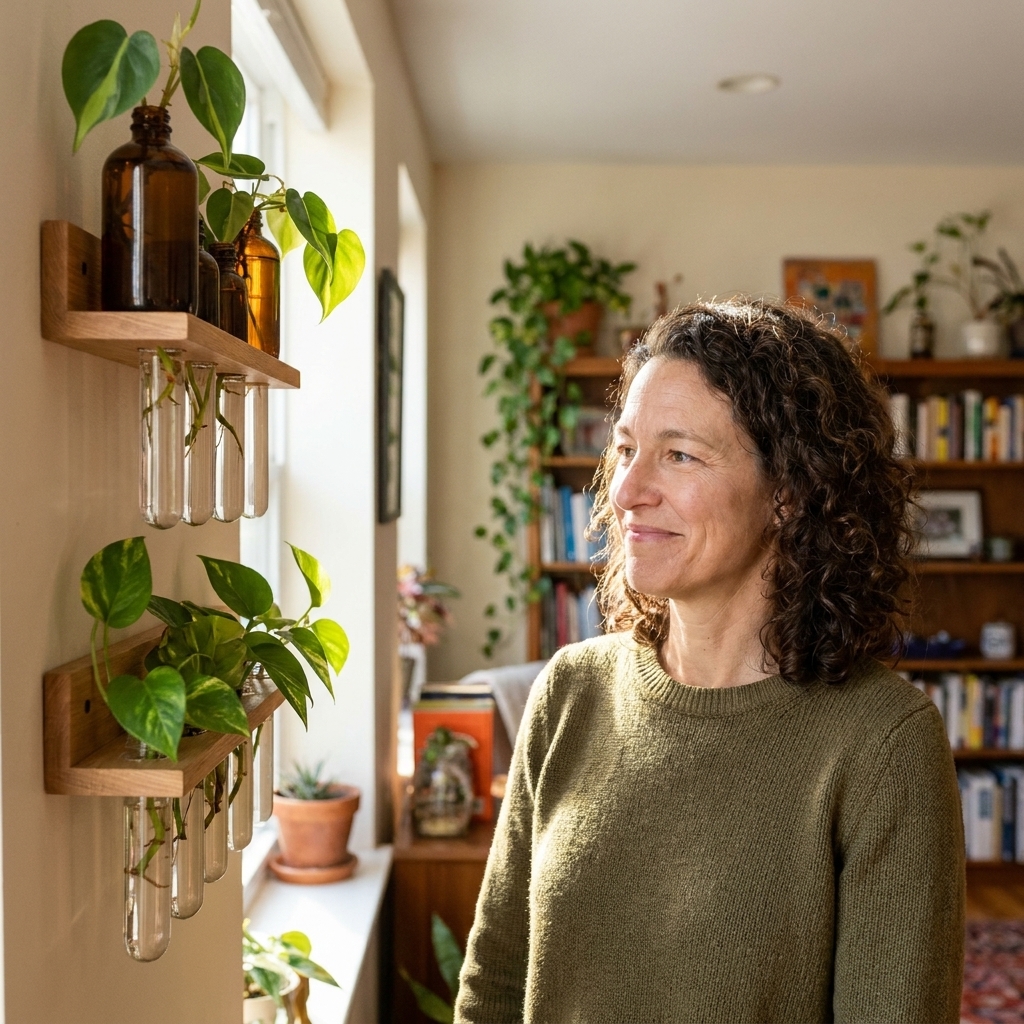
Style it
The difference between “I am propagating plants” and “this is a design moment” is styling.
Add one grounding element nearby
- A small stack of books
- A woven tray
- A framed print with warm tones
- A small ceramic bowl for plant clips and snips
Repeat materials in your room
If your room already has rattan, bring in a rattan frame nearby. If you have brass accents, choose brass-toned clips. Repeating materials is the quiet secret to making eclectic look intentional. If you are still deciding between woven materials, Rattan, Wicker, or Bamboo? can help you pick what fits your vibe.
Let the plants be the color
Clear glass plus green cuttings is a classic. If you want more mood, mix in amber bottles, but keep it to one or two tones so it reads as a collection.
Troubleshooting
My water is turning green
That is algae. Move the station out of direct sun and change the water more often. Amber bottles help because they block some light.
My cutting is getting mushy
Usually rot. Trim the stem back to healthy tissue, make sure a node is still present, and restart in fresh water with a clean vessel.
Leaves are yellowing
Some leaf loss is normal. But if a lot of leaves yellow at once, your cutting might be too bright and hot, or you have too many leaves for the stem to support. Remove the lowest leaves and keep it in bright, indirect light.
Roots are growing, but no new leaves
That can happen. Once roots develop, you will often see new growth soon after, especially in spring and summer. If it has been a while, try brighter indirect light.
Safety basics
- Keep glass propagation stations away from cribs, beds where kids jump, and narrow walkways.
- If you have pets who like to investigate, mount higher or use a shelf ledge with a small front lip.
- Do not overload one anchor point. Water is heavier than it looks.
Small-space ideas
If you are working with a tiny apartment wall, you can still get that indoor jungle energy.
- Go vertical: a single narrow rail with 5 tubes looks intentional and takes almost no room.
- Use corners: a slim shelf in a bright corner creates a little plant moment.
- Keep it minimal: fewer vessels, more breathing room, and rotate cuttings in and out.
If you love maximalist boho but worry about visual clutter, Maximalist Boho in Small Spaces Without the Clutter is full of practical tricks that apply to plants too.
My favorite part
A propagation station is never “done,” which is exactly why it suits an eclectic home. One week it is three pothos stems and a tiny monstera cutting. Two months later you have roots, new leaves, and enough starts to fill a planter you thrifted for $4.
And when someone comes over and says, “Where did you buy that?” you get to answer with my favorite sentence in home decor: “Oh, I made it from thrifted glass and plant cuttings.”