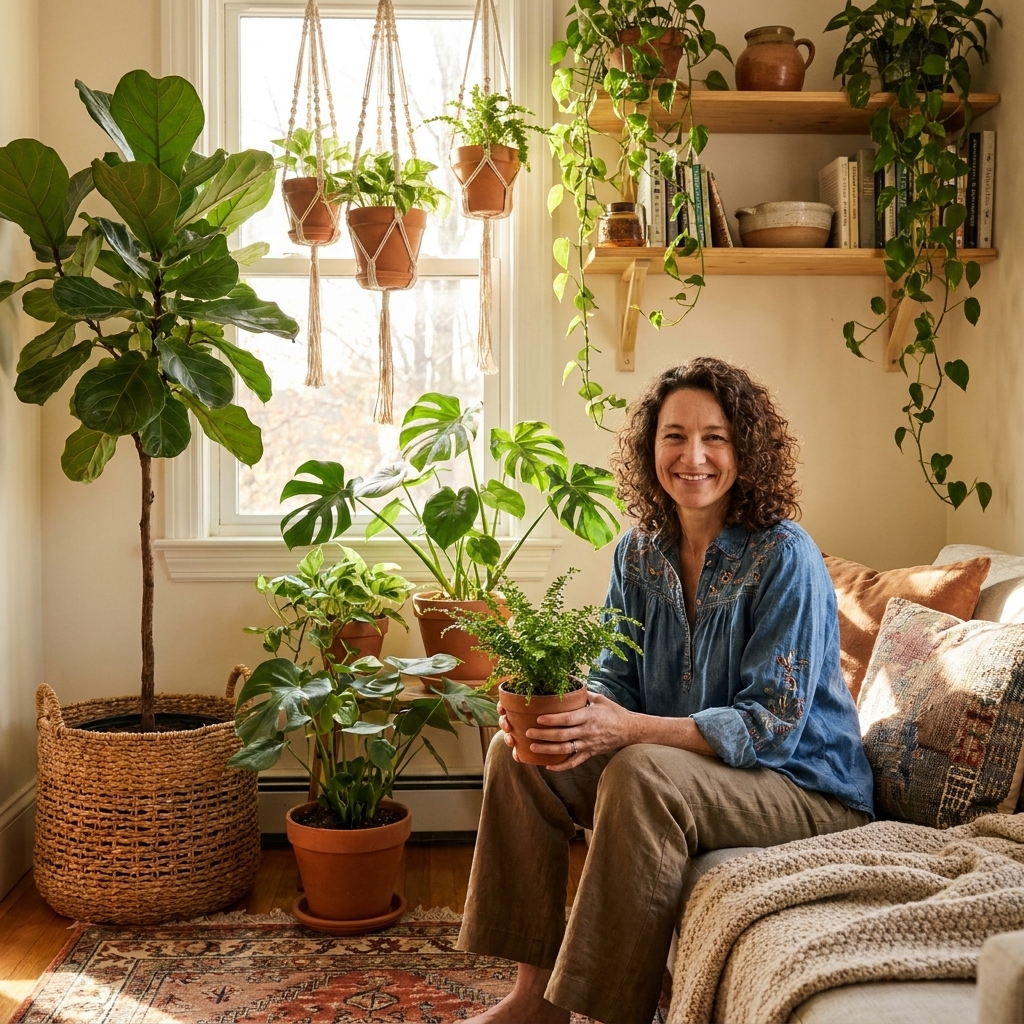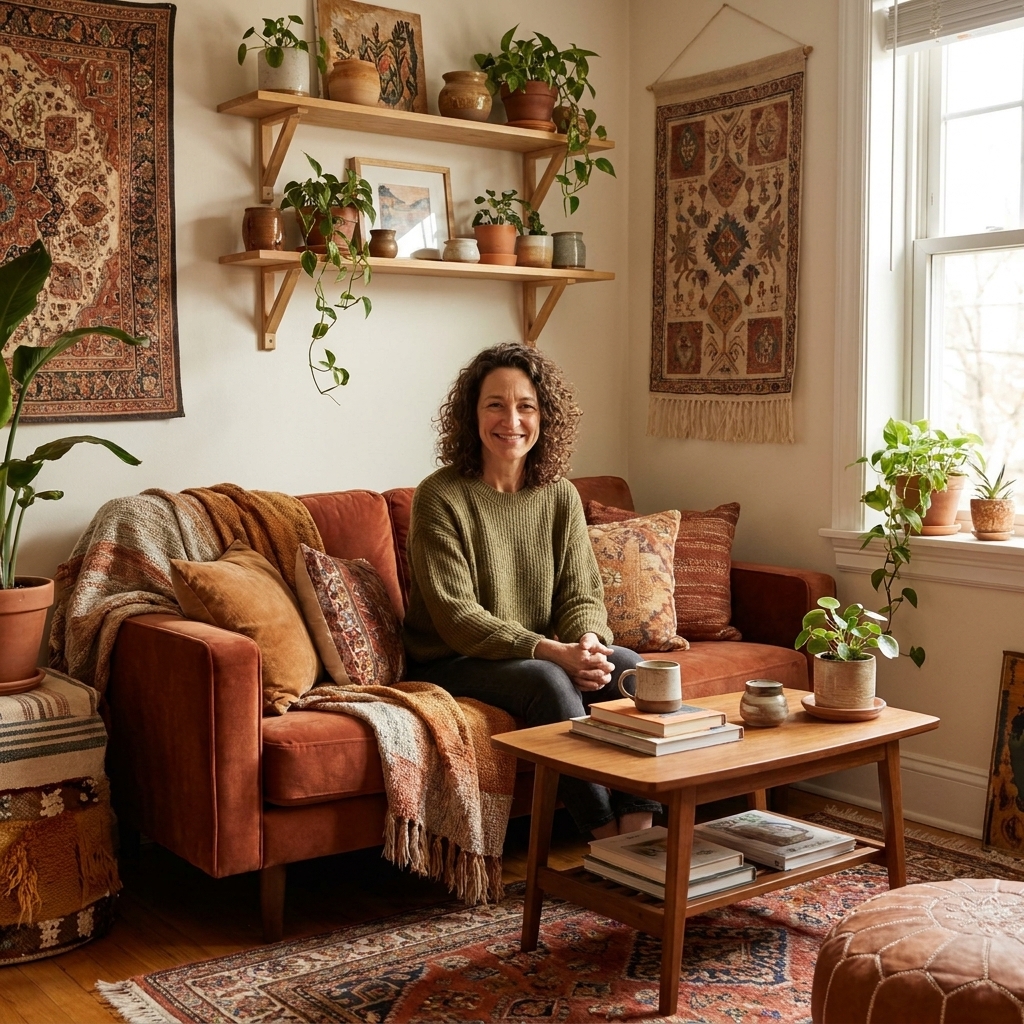

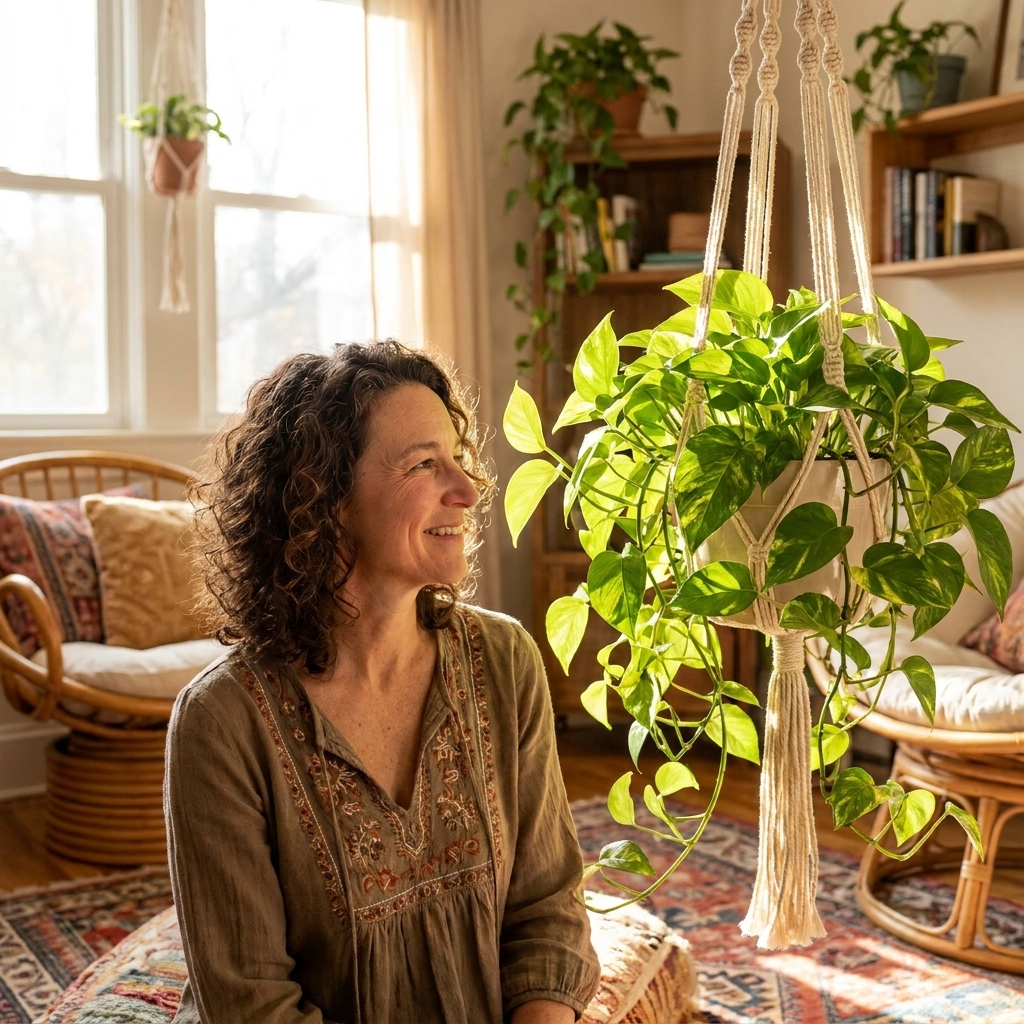
My favorite “instant cozy” trick in any rental has always been going vertical. A thrifted macrame hanger, a sunny corner, and one trailing plant can make even the plainest room feel layered and lived-in. The secret is choosing the right trailing plant for your light, your schedule, and the spot you want it to spill over.
Below are 10 trailing houseplants that look dreamy in macrame hangers and along high shelves, plus the care notes I wish someone had handed me before I accidentally overwatered half my collection.
Before you pick a trailer
High shelf vs. hanger
- Hangers dry out faster. Air circulation is great, but watering needs to be more consistent.
- High shelves collect dust. Dust dulls leaves and slows growth, so plan for a quick leaf wipe now and then.
- Weight matters. A fully-watered pot plus plant mass adds up fast. Use a sturdy hook anchored into a stud or an appropriate ceiling anchor.
- Drips are real. Use a saucer or a cachepot, and let plants finish draining in the sink before they go back up. (My easiest method is keeping plants in a nursery pot inside a pretty outer pot so I can lift them out to water.)
My “lazy but effective” watering rule
For most trailing plants, I water when the top 1 to 2 inches of soil feels dry. If it still feels cool and damp, I wait.
Quick caveat: for succulents and “string” plants (like string of pearls, string of hearts, and burro’s tail), I let the pot dry much more deeply, often almost all the way, before watering again.
Also, a little light reality check: “bright indirect light” can mean an east window, or a spot a foot or two back from a south or west window filtered by a sheer curtain.
If you want more plant styling ideas, I’ve got a full guide on how to arrange houseplants like a designer that pairs perfectly with macrame moments.
1) Pothos (Epipremnum aureum)
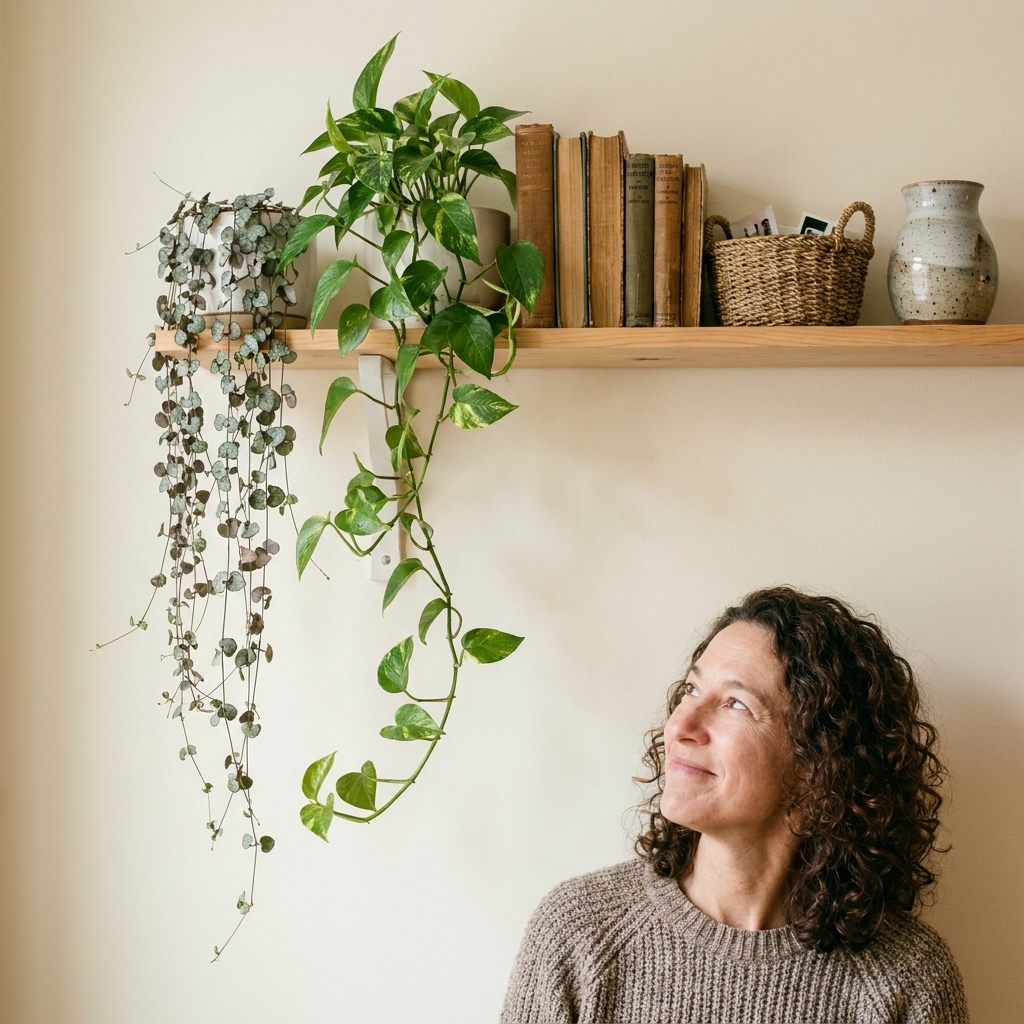
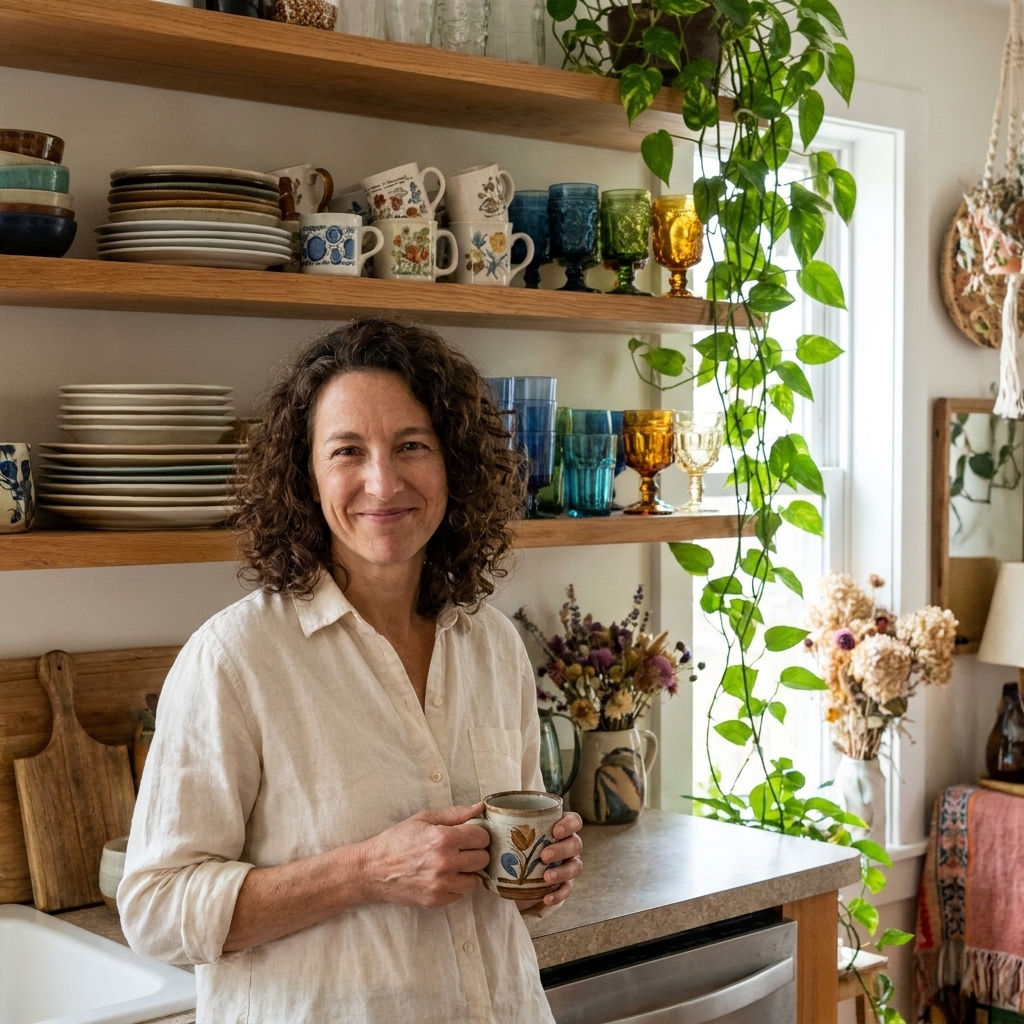
If you want a plant that looks lush with minimal drama, pothos is the one. It trails quickly, forgives missed waterings, and looks gorgeous in anything from a chunky vintage planter to a simple terra-cotta pot tucked into macrame.
- Light: Low to bright indirect. Variegated types keep their pattern best in brighter light.
- Water: Let the top couple inches dry out.
- Boho styling tip: Let it trail beside a gallery wall so the vines soften frames and edges.
- Quick fix: If it gets leggy, snip and propagate the cuttings right back into the pot for instant fullness.
- Pet note: Like many aroids, pothos is toxic if ingested.
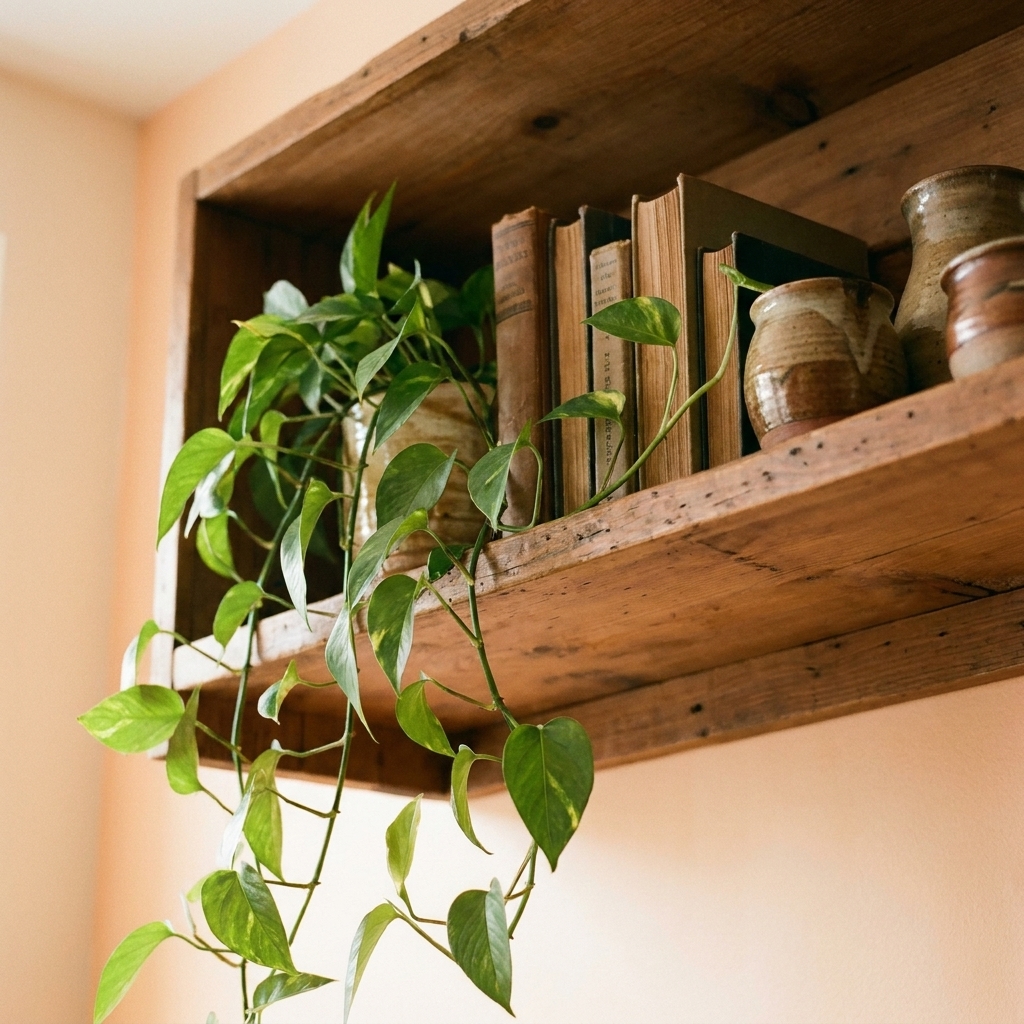
2) Heartleaf philodendron (Philodendron hederaceum)
This is pothos’s slightly moodier cousin, with velvety-looking heart-shaped leaves that read a little more romantic. It’s also a fabulous choice if your room isn’t super bright.
- Light: Medium to bright indirect, tolerates lower light.
- Water: When the top inch dries, and don’t let it sit in water.
- Boho styling tip: Pair with warm woods and brass, because the deep green makes everything feel richer.
- Pet note: Philodendrons are toxic if ingested.
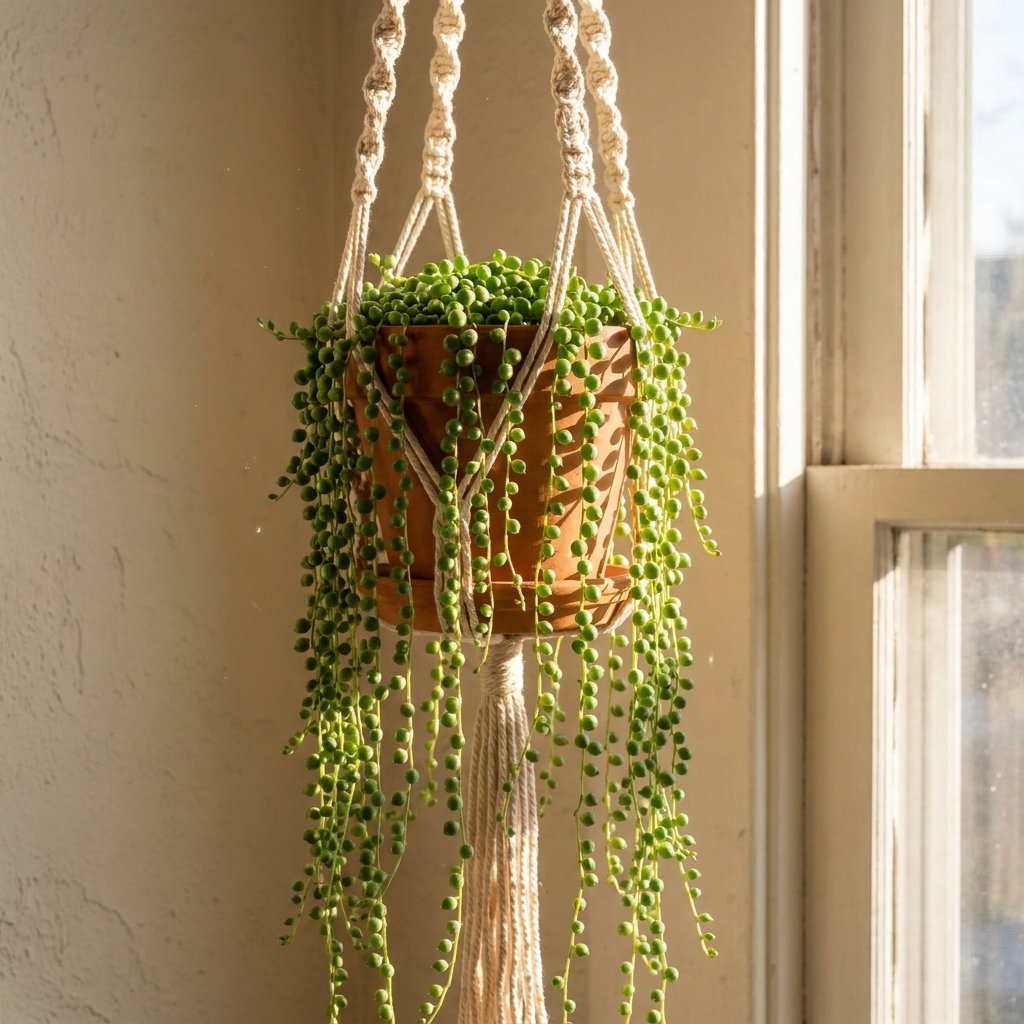
3) String of pearls (Curio rowleyanus)
String of pearls is the “jewelry plant” of the boho world. Those bead-like strands look unreal in a simple hanger, but it does have opinions. Give it bright light and fast-draining soil, and resist the urge to fuss.
- Light: Bright light, and a bit of gentle sun is usually welcome.
- Water: Soak thoroughly, then let the pot dry most of the way (often nearly fully) before watering again.
- Potting: Cactus mix or a very gritty blend, in a pot with drainage.
- Boho styling tip: Put it where you can actually see it, because it’s all about the drape.
4) String of hearts (Ceropegia woodii)
String of hearts is delicate, airy, and a little magical, especially in a room with layered textiles. The leaves look like tiny hearts, often with silver marbling, and the vines can get wonderfully long.
- Light: Bright indirect, and it can handle some sun.
- Water: Let the pot dry out significantly between waterings.
- Boho styling tip: Hang it near sheer curtains so the vines catch the light and movement.
If you love the idea of soft, breezy light, you might also enjoy boho window treatments with sheer linen curtains and bamboo blinds.
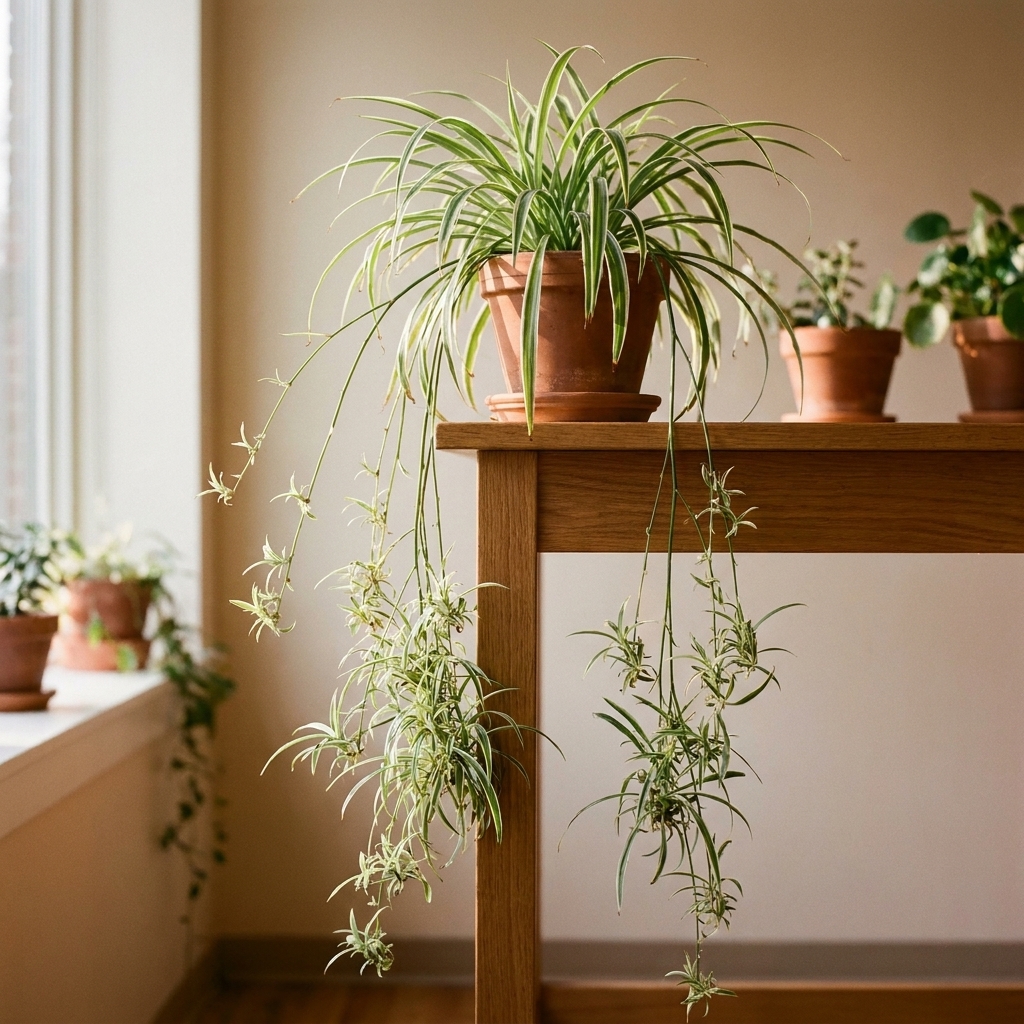
5) Spider plant (Chlorophytum comosum)
Spider plants were made for high shelves. The arching leaves cascade, and then they send out baby “spiders” that dangle like living fringe. It’s playful, easy, and a classic for a reason.
- Light: Bright indirect, tolerates medium.
- Water: When the top inch dries. They don’t like staying soggy.
- Boho styling tip: Let the babies trail, then pot them up in mismatched thrifted planters for a collected look.
6) Tradescantia zebrina (Inch plant)
Tradescantia is my pick for people who want color. The leaves are purple, green, and silver striped, and the whole plant looks like it belongs next to vintage textiles and patterned pillows.
- Light: Bright indirect for best color. Too little light makes it go green and leggy.
- Water: Water when the top inch or two dries, then water thoroughly. Don’t keep it constantly wet.
- Boho styling tip: Use it as a color echo if you have jewel-tone rugs or pillows.
- Heads up: It breaks easily, but that’s not bad. Those broken pieces root fast in water or soil.
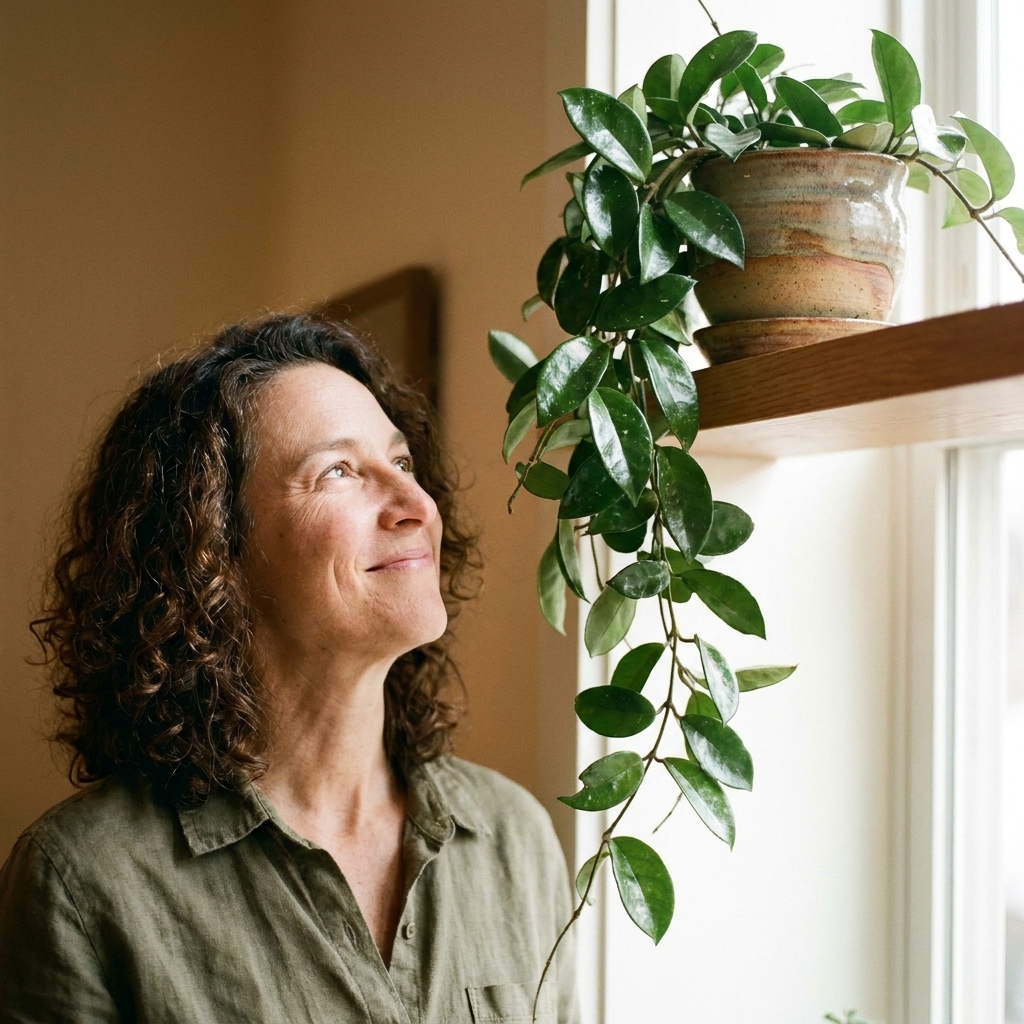
7) Hoya (Wax plant)
Hoyas are slow growers, but they’re worth the wait. The leaves are thick and glossy, the vines are elegant, and when they bloom, it feels like your plant is showing off.
- Light: Bright indirect. Many hoyas bloom better with brighter light.
- Water: Let the pot dry out more than you would for pothos.
- Potting: They like airy soil and being a little snug in their pot.
- Boho styling tip: Pair a herringbone or braided macrame hanger with a glossy-leaf hoya for texture-on-texture.
8) English ivy (Hedera helix)
Ivy is the moody, cottagey option. It gives you that old-world trailing look fast, but it prefers cooler temps and a bit more consistent moisture than some of the other plants on this list.
- Light: Bright indirect is best. Some varieties tolerate medium.
- Water: Keep evenly moist, not waterlogged.
- Best placement: A bright room that doesn’t bake, away from heating vents.
- Heads up: English ivy can be finicky indoors and is especially prone to spider mites, so check it often.
- Boho styling tip: Use it to soften the line of a tall bookcase or open shelving.
- Pet note: Ivy is toxic if ingested.
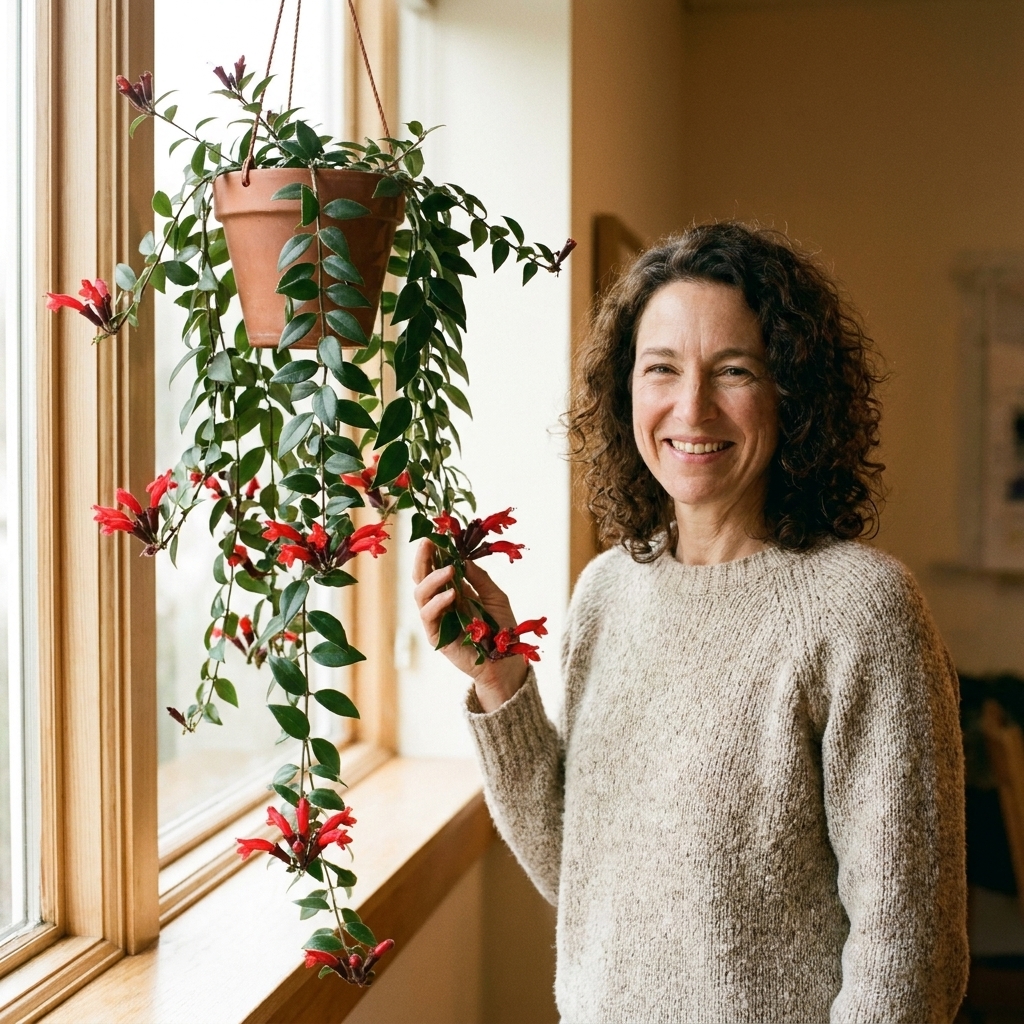
9) Lipstick plant (Aeschynanthus radicans)
If you want trailing vines plus real flowers, lipstick plant is such a fun choice. The blooms pop out of dark tubes and look like tiny tubes of lipstick, which makes it feel like a plant with a sense of humor.
- Light: Bright indirect. It’ll flower best with good light.
- Water: Water when the top couple inches dry. Likes humidity, but hates soggy soil.
- Boho styling tip: Place it near a mirror so you catch glimpses of blooms from different angles.
10) Burro’s tail (Sedum morganianum)
Burro’s tail is a succulent that looks like braided, chunky green ropes spilling over a pot. It’s stunning in a hanger, but it can be a bit fragile. Brush against it and a few leaves may drop, so put it somewhere it won’t be bumped.
- Light: Bright light and some sun.
- Water: Let it dry out fully between waterings.
- Soil: Cactus mix, very well-draining pot.
- Boho styling tip: Hang it where it can be admired but not grazed, like over a side table instead of a hallway.
Keep it styled
Train the vines
If a plant is only trailing on one side, rotate the pot every week or two. For extra lushness, gently pin a few vines to the soil surface with a bent paperclip so they root and thicken the top.
Pick the right pot
- Terra-cotta: Perfect for succulents and strings because it helps soil dry faster.
- Glazed ceramic: Holds moisture longer, great for pothos and philodendron.
- Basket cachepots: Beautiful, but always keep the plant in a draining nursery pot inside so you can water without panic.
If you love the basket look (I do), you’ll get a kick out of 7 creative ways to use woven seagrass baskets for stylish boho storage. A few of those ideas work brilliantly for disguising plastic nursery pots.
Don’t skip pruning
Pruning isn’t “ruining” your plant. It’s how you get a fuller cascade instead of a few long, bare strands. I keep a little jar of rubbing alcohol nearby to wipe my snips, and I propagate anything decent because free plants are my favorite kind of plant.
A quick feeding note
If you want faster trailing during spring and summer, a light houseplant fertilizer (used as directed) can make a noticeable difference. I keep it simple and ease off in fall and winter.
Common problems
Yellow leaves
- Usually overwatering. Check the soil and make sure the pot drains.
- Move it closer to brighter indirect light if it’s sitting in a dim corner.
Leggy growth
- Almost always not enough light.
- Cut back and propagate to fill out the pot.
Dry, crispy tips
- Inconsistent watering, low humidity, or too much direct sun.
- Trim the crispy bits and adjust one variable at a time so you actually learn what helped.
Pests on hanging plants
Hanging plants can hide issues because you don’t inspect them up close. If you see sticky residue, webbing, or weird speckling, bring the plant down and isolate it. A gentle shower in the sink plus insecticidal soap often handles early infestations, but I plan to repeat treatments per label directions until I stop seeing new signs.
My favorite vertical combo
If you want a quick formula that looks styled without feeling fussy, try this:
- One long, drapey plant (pothos or philodendron)
- One “string” plant for contrast (string of hearts or pearls)
- One spiky silhouette on a shelf below (like a snake plant or small palm)
That mix gives you three textures, three shapes, and a lot of movement. It’s the same idea as mixing textiles in a room: you want contrast, not clones. If you like this approach, you’ll probably enjoy browsing The Indoor Jungle for more plant-heavy styling ideas.