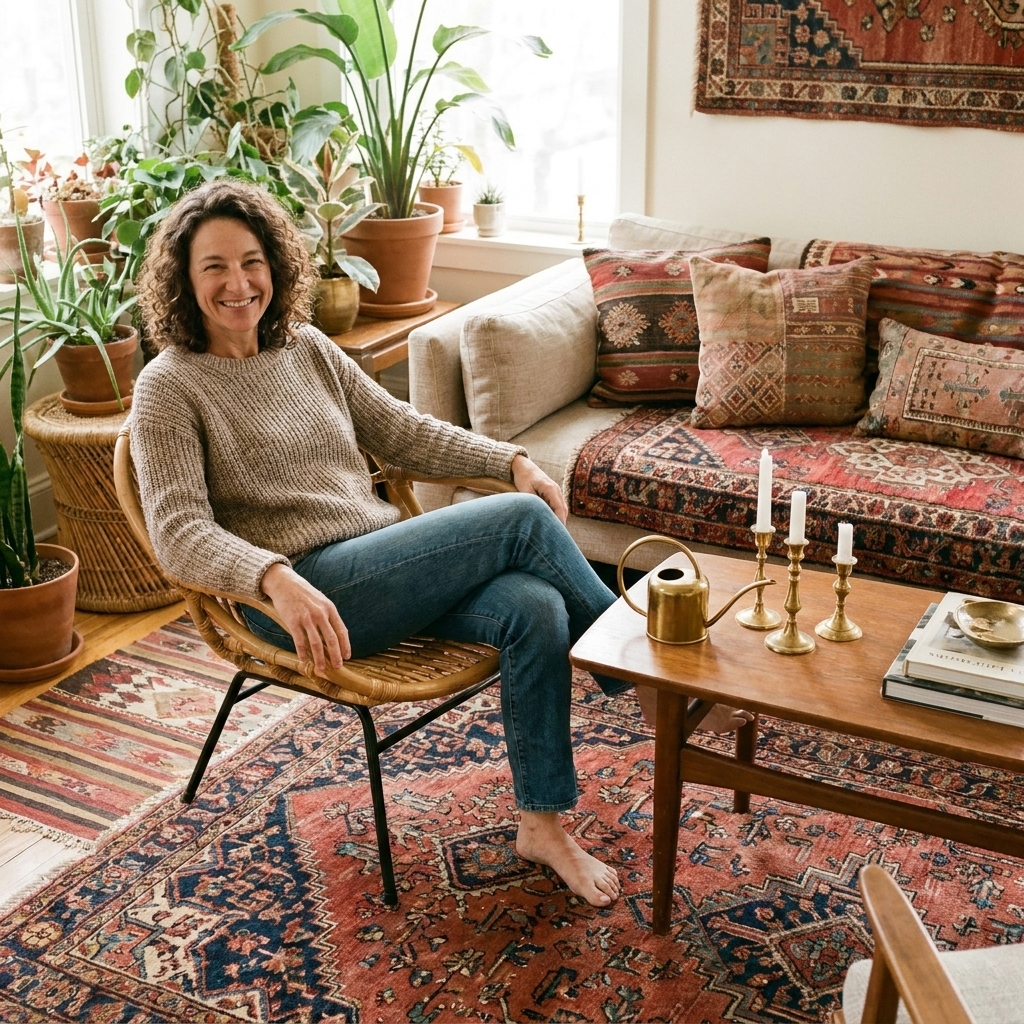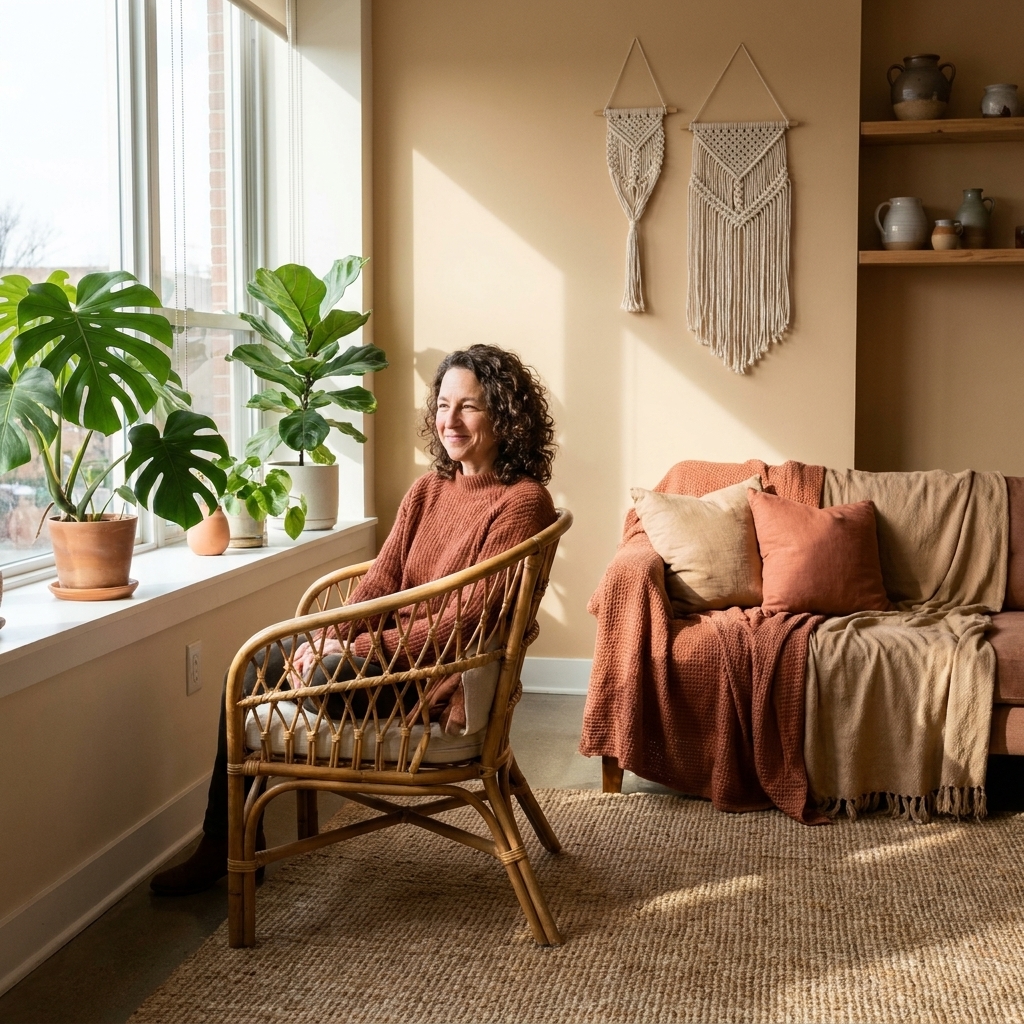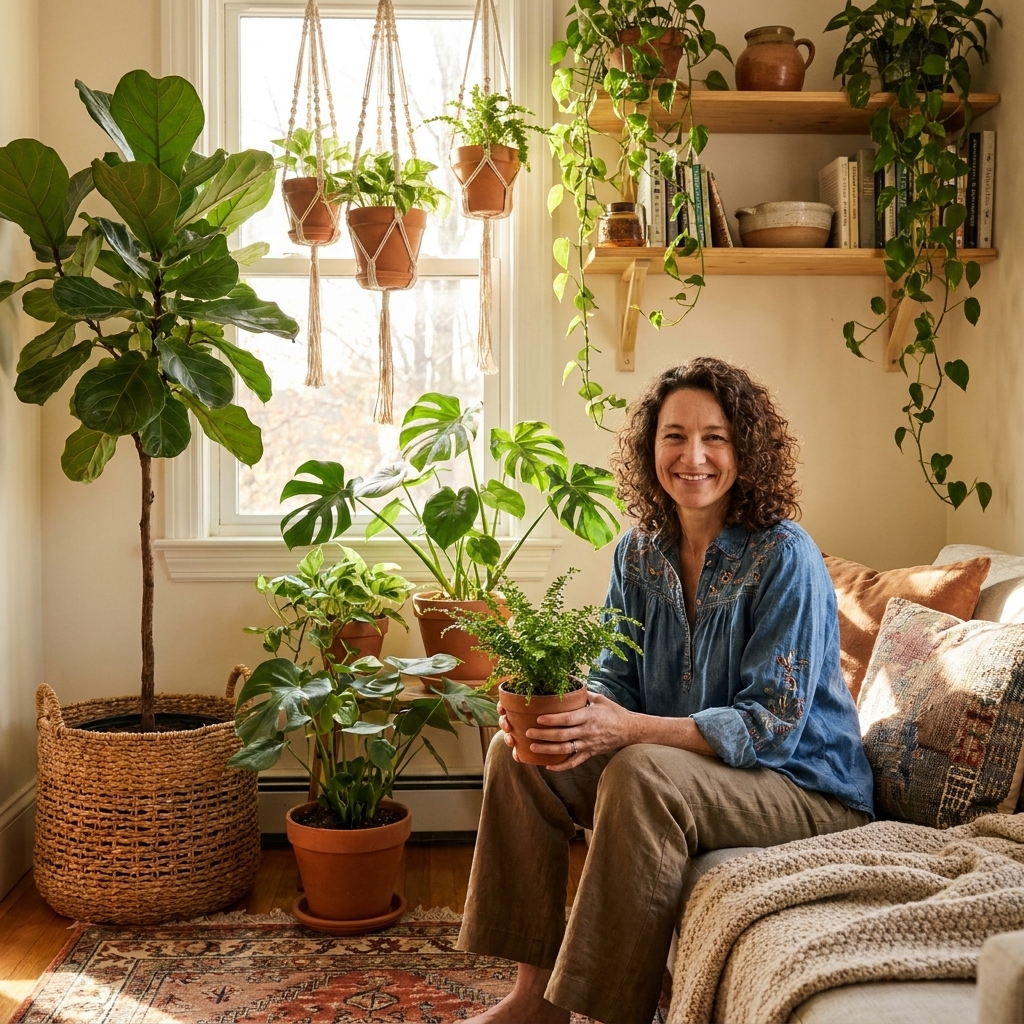

If you have ever stood in a thrift store aisle holding a “wicker” chair while your friend insists it is “rattan” and you quietly wonder if it is actually bamboo, welcome. Natural materials are basically the unofficial language of boho decor, but the words get tossed around loosely. And when you are styling a space with lots of texture, knowing what you are looking at helps you buy better, mix smarter, and avoid ending up with a fragile piece that cannot handle real life.
Let’s untangle rattan, wicker, and bamboo in plain English, then talk about how to use each one in furniture and accents without making your room feel like a tiki bar (unless that is the goal, in which case, no judgment).

The quick truth
This one sentence clears up most of the confusion.
- Rattan is a climbing palm used as a building material for furniture.
- Bamboo is a fast-growing grass with hollow segments, also used as a building material.
- Wicker is not a plant. It is a method of weaving. Wicker can be made from rattan, bamboo, reed, willow, seagrass, synthetic resin, and more.
So yes, you can have a rattan wicker basket, a bamboo wicker chair, or a synthetic wicker patio set. The weave is the technique. The plant (or resin) is the substance.
Rattan
Rattan is one of my favorite boho building blocks because it is lightweight, naturally warm-toned, and it can be steamed and bent into those dreamy rounded shapes. When you see swoopy arms, looped backs, and gently curved silhouettes, rattan is often involved.
How to spot rattan
- Solid rattan poles look like smooth, woody rods (often honey or caramel colored).
- Rattan peel is thinner and used for wrapping joints or weaving details.
- Cane can mean a few things, but in furniture, cane webbing is most often made from rattan’s outer skin, woven into that classic hex pattern used on chair backs and cabinet doors.
Best uses in boho decor
- Statement seating: lounge chairs, peacock chairs, accent chairs
- Headboards and bed frames: adds texture without visual heaviness
- Storage: baskets, trunks, lidded hampers for a soft, collected look
- Lighting: rattan pendant shades give you that golden, filtered glow
Where rattan struggles
- High moisture: bathrooms and damp basements can cause warping or mildew if ventilation is poor
- Outdoors without protection: natural rattan is not a “leave it in the rain” material
- Hard daily abuse: vintage rattan can be sturdy, but it is still lighter-duty than hardwood
Thrift tip from my own trial and error: gently wiggle the joints. If you feel wobble, look closely for dried or missing wrap, cracked poles, or loose screws hidden under bindings. A little wobble can be fixed, but a split main pole is usually a walk-away situation unless you love a project.
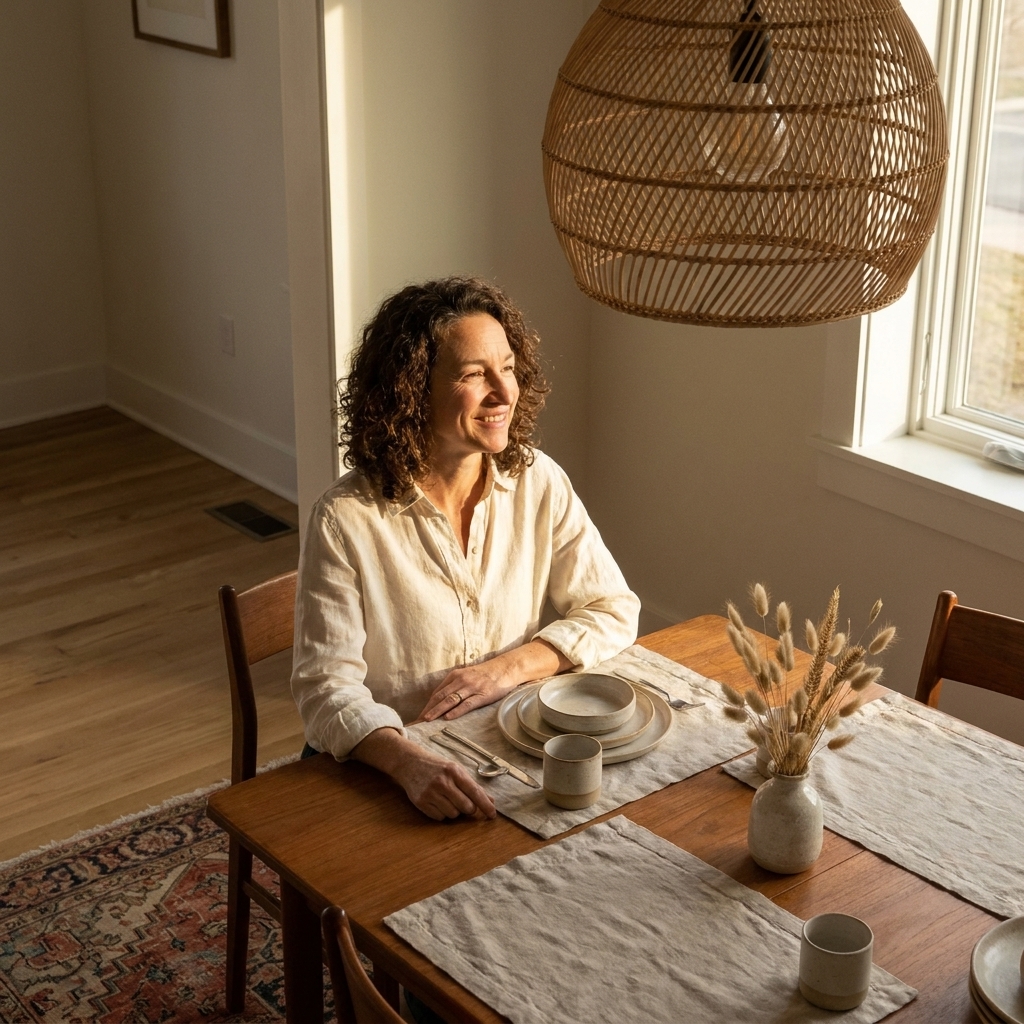
Wicker
Wicker is that basket-y, braided, woven texture most of us mean when we say “wicker.” In boho homes, wicker is less about one specific plant and more about the visual effect: pattern, shadow, and texture.
What wicker is made from
- Natural wicker: rattan, reed, willow, seagrass, water hyacinth
- Synthetic wicker: resin or plastic fibers (common outdoors)
Best uses in boho decor
- Baskets everywhere: blanket baskets, entry catchalls, pantry storage
- Textural accents: trays, wall fans, woven mirrors
- Small furniture: side tables, magazine racks, bar carts
- Cabinet texture: cane or woven panels on doors
Cane vs. wicker
This trips people up: cane webbing is a woven pattern, so you will hear it casually called “wicker.” That is not totally wrong in everyday conversation, but if you are shopping secondhand, it helps to remember the difference: wicker is the technique, and cane is usually the rattan material used to create that specific webbing.
When wicker feels dated
Wicker can lean coastal-cottage or 90s sunroom if everything is the same tone and the same weave. My fix is to add contrast and variation:
- Mix tight weaves (cane, fine reed) with chunky weaves (water hyacinth, seagrass).
- Add one dark anchor (a wood coffee table, a black metal floor lamp) so the room does not float away in beige.
- Layer in textiles with a little attitude. If you want help with that part, my go-to reference on the site is How to Mix Bold Patterns Without Clashing.
Quick basket ID help
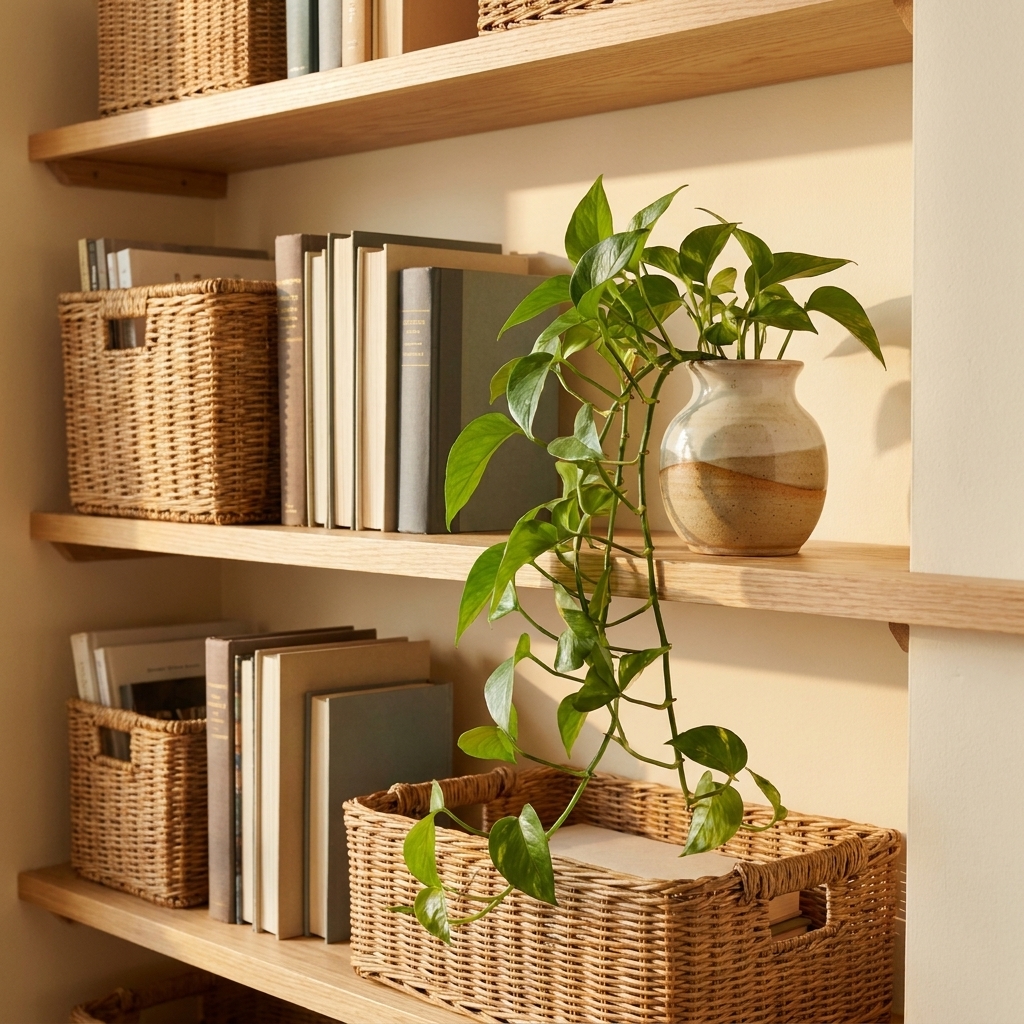
- Seagrass usually looks matte, strawy, and slightly fuzzy, often in thicker coils or braids.
- Water hyacinth is chunkier and more rope-like, with a more rustic, bulky texture.
- Rattan/reed often looks smoother and more uniform, especially in tighter weaves.
Bamboo
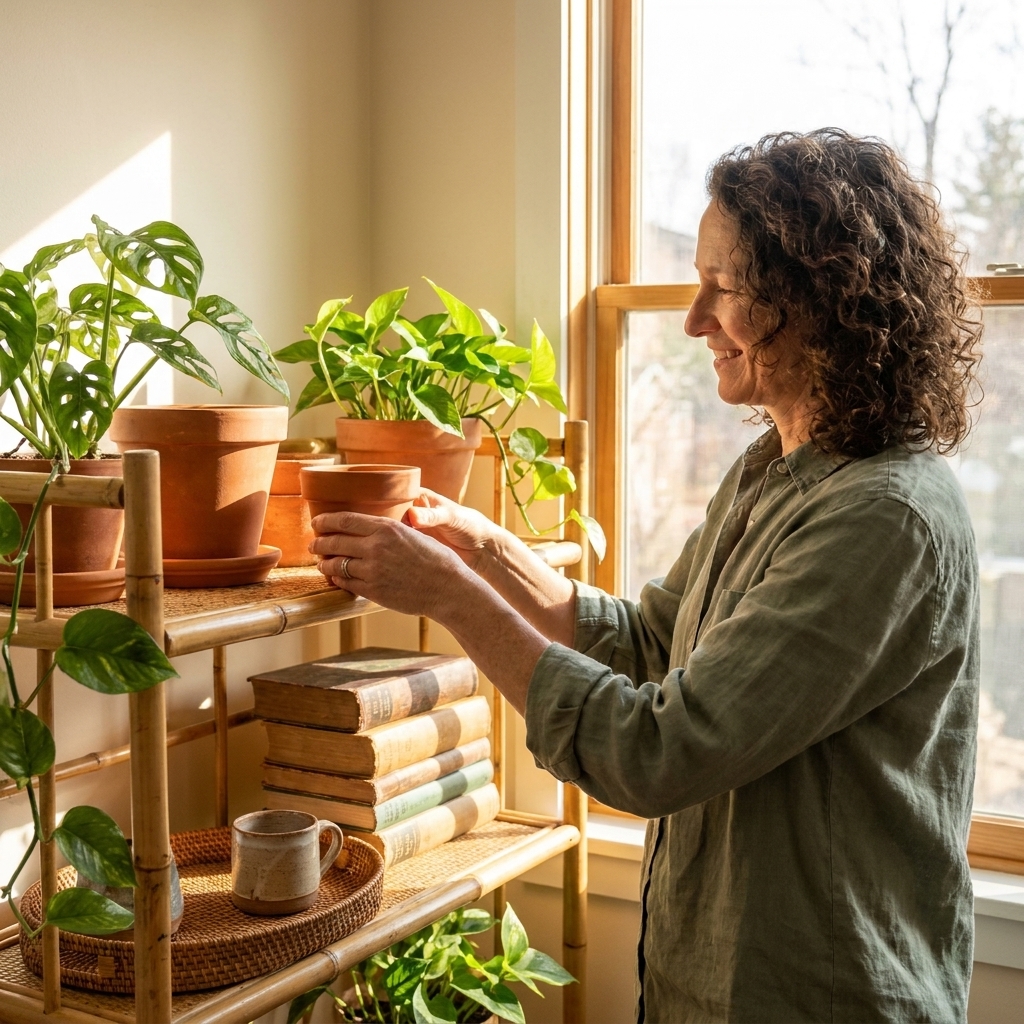
Bamboo has a totally different vibe from rattan. Where rattan is curvy and ropey, bamboo is linear and segmented. It brings a slightly more graphic, architectural look, and it pairs beautifully with eclectic pieces because it has its own built-in pattern.
How to spot bamboo
- Visible nodes: those ring-like joints along the poles
- Hollow ends: many bamboo pieces show the hollow interior at cut points (sometimes capped)
- Straight, rigid structure: bamboo furniture often looks like it was built from uniform tubes
Best uses in boho decor
- Bookcases and étagères: airy storage that still has presence
- Mirrors and frames: especially great in entryways and bathrooms with good ventilation
- Bar carts and side tables: bamboo loves a playful corner
- Room dividers: instant texture and height without heaviness
Bamboo styling note
Bamboo naturally leans tropical, so if you want it to feel more global-eclectic than beachy, pair it with grounded elements like earthy ceramics, vintage textiles, and art that has a story. If you are into collected objects and travel finds, you will probably enjoy How to Tastefully Display Travel Souvenirs and Global Artifacts.
How to mix them
The secret is to treat natural materials like you would neutrals. They are not all the same neutral. They have undertones, scale, and personality.
Here is the method I use in my own rentals when I want the room to feel layered but not busy.
1) Choose a lead material
Pick one to dominate the big pieces, then let the others play supporting roles.
- Rattan lead: use rattan for seating or a headboard, then add wicker baskets and one bamboo accent.
- Bamboo lead: bamboo shelf or mirror as your anchor, then soften with rattan lighting and wicker storage.
- Wicker lead: lots of woven texture through baskets and lighting, then add one sculptural rattan chair for shape.
2) Mix weaves like you mix patterns
Too many identical weaves can feel flat. Too many competing weaves can feel prickly. Aim for 2 to 3 weave types in one room.
- One tight weave (cane webbing, fine reed)
- One chunky weave (seagrass, water hyacinth)
- Optional: one open airy weave (rattan lattice, widely spaced wicker)
3) Keep tones intentional
Matching everything exactly is what makes a home feel like a catalog. Instead, group tones that look like they belong in the same family.
- Warm honey and caramel: classic rattan and many bamboo pieces
- Cool straw and pale wheat: some wicker and seagrass weaves
- Deep tobacco and smoked finishes: stained rattan, darker bamboo, vintage finds
If you are deciding between warm earthy rooms and more saturated color, my color guide is Earth Tones vs. Jewel Tones for Eclectic Homes.
4) Add a break material
Natural textures love a contrast buddy. Try:
- black metal
- aged wood
- stone or travertine
- glossy ceramic
- linen, cotton, or velvet textiles
5) Repeat it twice
If you bring in a bamboo mirror, echo it with a small bamboo tray or a bamboo plant stand. Repetition makes mixing feel intentional, not accidental.
Room by room
Living room
- Rattan: accent chair, coffee table base, pendant shade
- Wicker: baskets for throws, trays for coffee table styling
- Bamboo: shelving, mirror, side table with clean lines
Bedroom
- Rattan: headboard, nightstands, laundry hamper
- Wicker: under-bed baskets, wall decor
- Bamboo: room divider, mirror frame
Dining area
- Rattan: woven pendants, chair backs with cane panels
- Wicker: bar cart baskets, woven chargers
- Bamboo: étagère, serving cart, framed art with bamboo frame
Bathroom
Bathrooms are doable, just be picky.
- Best bet: bamboo accessories and small wicker pieces that can dry out easily
- Avoid: bulky rattan furniture in poorly ventilated bathrooms
- Smart move: use a tray or basket for towels, then keep it away from the shower splash zone
Outdoors
- Covered patio: natural rattan can work if protected and kept dry
- Open weather exposure: synthetic wicker is usually the practical choice, often sold as resin wicker or PE rattan
- Bamboo: can weather and split outdoors, so treat it as covered only unless it is specifically made for exterior use
Shopping and care tips
What to check when thrifting
- Smell test: musty odor can mean mildew inside the weave
- Flex test: gently press woven sections. Excessive crunching or snapping is a red flag
- Joint test: wobble means repairs, and repairs are fine if the main structure is sound
- Finish: sticky or flaking varnish can be sanded and sealed, but plan for the time
Easy care that works
- Dust first: use a soft brush attachment or a paintbrush for tight weaves
- Clean gently: use a barely damp cloth with mild soap, and test a hidden spot first on vintage finishes
- Dry thoroughly: do not let moisture sit in the weave or joints
- Protect from harsh sun: constant direct sunlight can bleach and dry out fibers
If you love hunting for these kinds of pieces, you will find more of my approach in Budget Boho & Thrifting and 10 Thrift Store Staples for Authentic Boho Style.
Favorite pairings
- Rattan + velvet: the mix of airy and plush feels instantly elevated.
- Bamboo + linen: crisp and relaxed at the same time, especially in bedrooms.
- Wicker + ceramics: matte, glossy, handmade, thrifted, it all works.
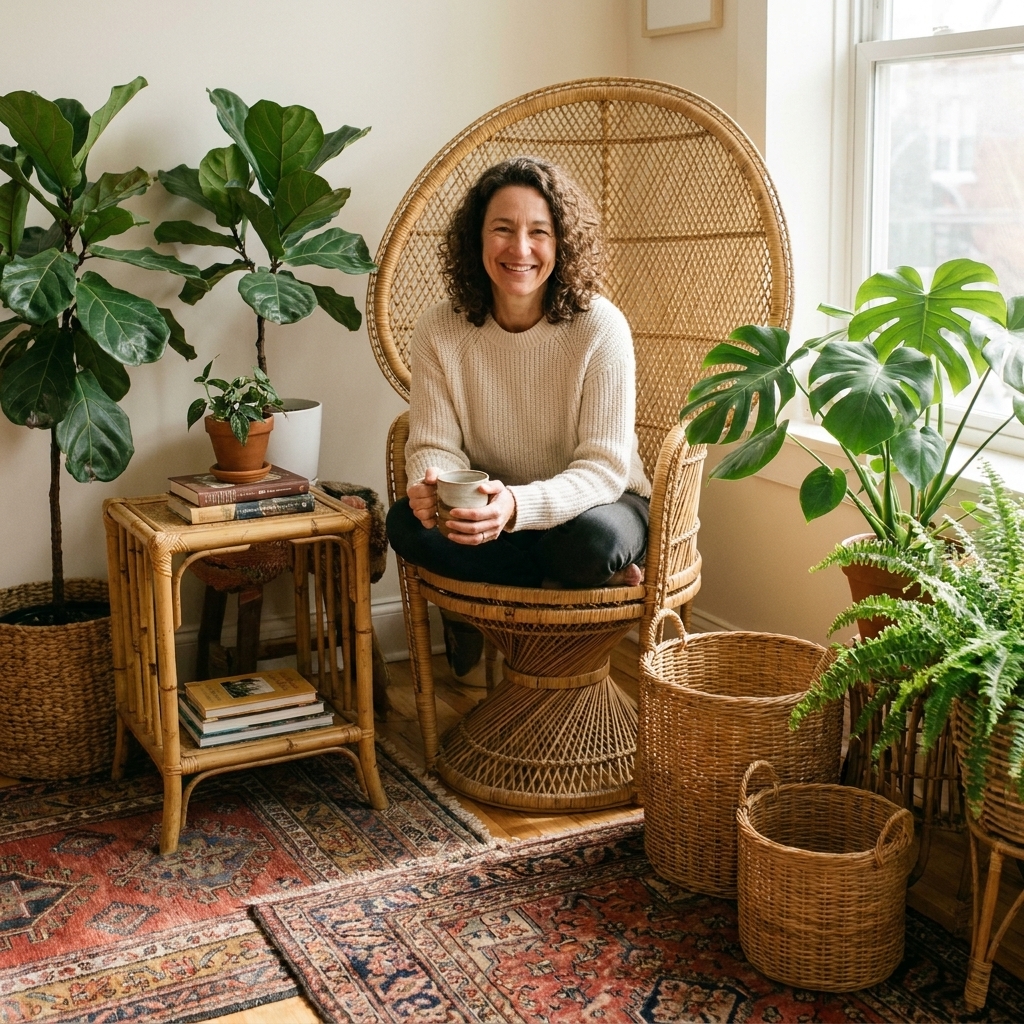
- Any of the above + plants: green leaves make woven textures look richer and more intentional.
If you are building a plant-forward room, I have a whole corner of the site devoted to that vibe. Start with The Indoor Jungle and, if your plants always look slightly awkward like mine used to, Arrange Houseplants Like a Designer.
FAQ
Is cane the same as rattan?
In furniture, most of the time, yes. “Cane” often refers to the outer skin of the rattan plant, which is then woven into cane webbing or used as binding and detail work.
Is wicker always natural?
No. Wicker describes the weave, not the material. Synthetic resin wicker (sometimes labeled PE rattan) is common for outdoor furniture because it handles weather better than natural fibers.
Can I mix different wood tones with rattan and bamboo?
Absolutely. In eclectic spaces, mixed tones look more collected. I like to keep one tone dominant, then repeat the “odd one out” at least twice so it feels intentional.
How do I keep woven pieces from feeling too matchy?
Vary the scale of the weave, add one contrasting material (metal, ceramic, dark wood), and bring in color through textiles or art. Layering is what makes boho feel soulful instead of showroom-perfect.