
I used to think mixing planters was one of those things that only looks good in other people’s homes. You know the vibe: a little terracotta, a glossy handmade pot, a woven basket, and somehow it all reads collected instead of chaotic. Then I realized the “secret” is not matching. It is repeating a few choices on purpose.
Let’s talk about how to mix terracotta, glazed ceramic, and woven planters so your plant styling feels layered and global, not messy.
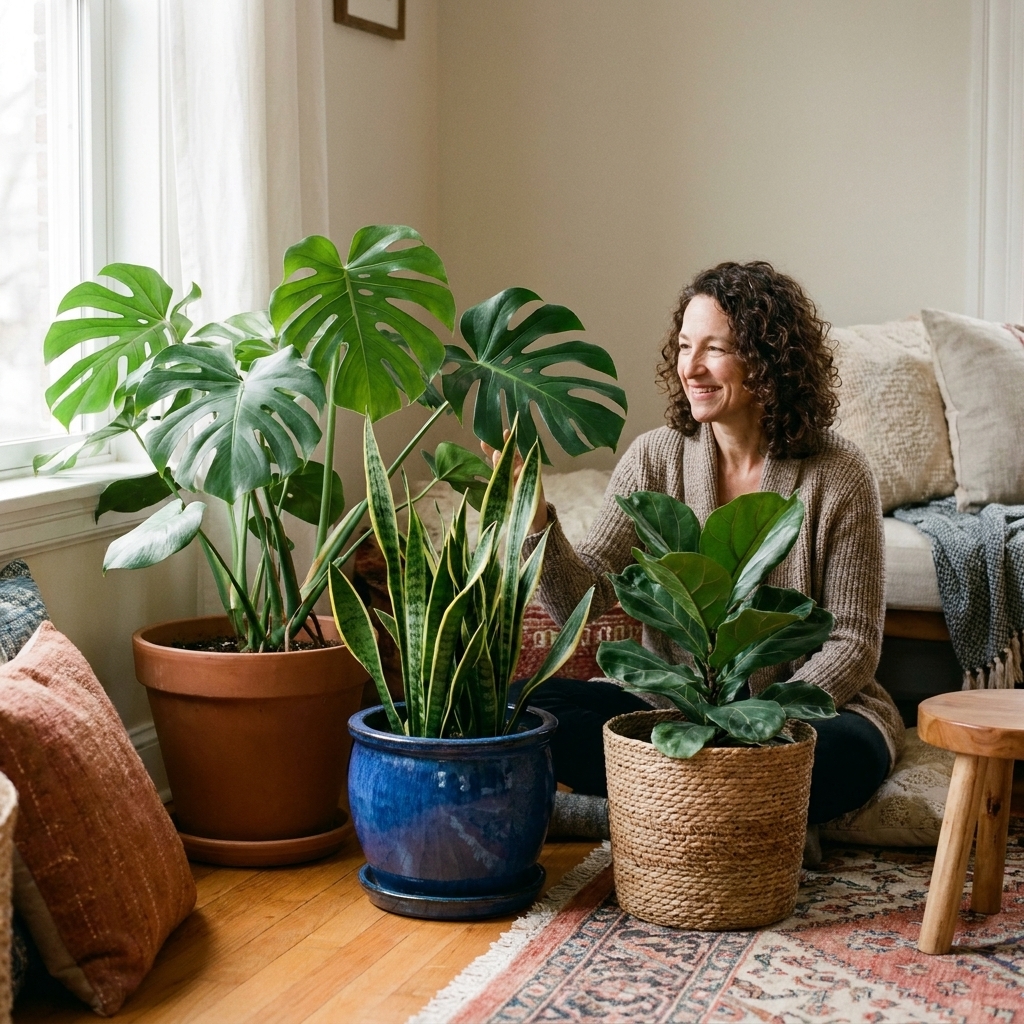
Start with the three-material “rule of intention”
Terracotta, glazed ceramic, and woven planters each bring a different kind of visual weight. When you mix them, your job is to make the mix look intentional.
- Terracotta reads earthy and matte. It grounds a grouping and keeps things from feeling too shiny.
- Glazed ceramic reads crafted and expressive. It is where you can add color, pattern, or a high-gloss highlight.
- Woven planters read warm and textural. They soften the look and bridge plants into the rest of your decor (rugs, baskets, wood, linen).
The rule: Pick a “lead” material (about 60 percent of what you see), then use one “supporting” material (about 30 percent), and one “accent” material (about 10 percent). It prevents the everything-goes soup.
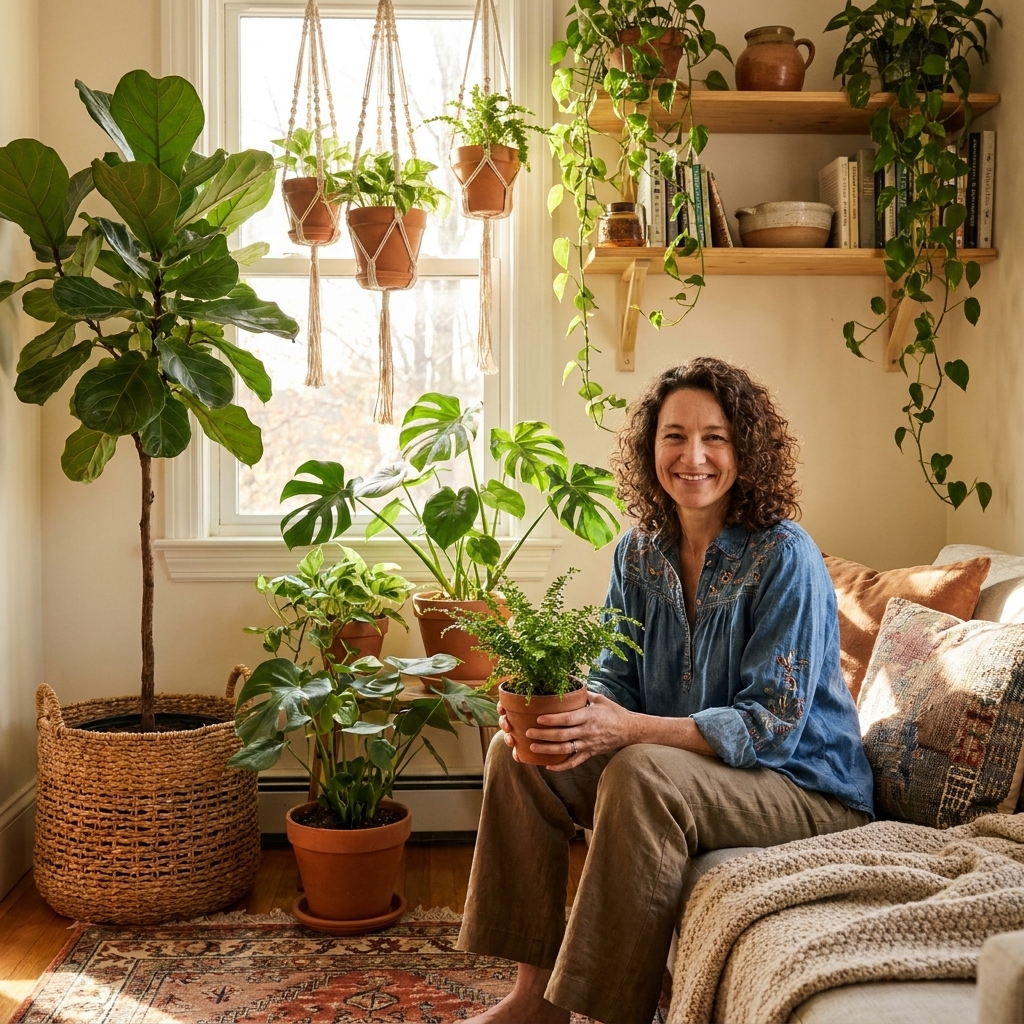
Example: mostly terracotta, a couple woven baskets, and one glazed statement pot.
Designer balance: matte, shine, and weave
If your plant corner feels off, it is usually because all the surfaces are competing. A quick reset is to balance finish, not just color.
- Too matte? Add one glossy glazed pot to catch light.
- Too shiny? Bring in raw terracotta to calm it down.
- Too “basket-heavy”? Add ceramic so the scene feels more like a collection of vessels, not storage.
Think of it like an outfit. Linen (terracotta), silk (glaze), and straw (woven). All gorgeous, but best when they each get a lane.
Choose a color plan that still feels eclectic
You do not need matching sets. You do need a plan.
Option A: Earthy neutrals with one punch color
My favorite for boho rentals because it works with almost everything you already own.
- Terracotta: classic orange clay and aged patina
- Woven: seagrass, rattan, jute, water hyacinth
- Glazed: one bold moment like deep green, cobalt, or creamy white
This is also where you can pull in the rest of your palette. If you like warm earth tones, you might also enjoy Earth Tones vs. Jewel Tones for Eclectic Homes.
Option B: Tonal clay family
If you want “collected” without visual noise, keep everything in the clay family.
- Terracotta plus: blush clay, cinnamon, rust, sand
- Glaze: creamy, caramel, or a muted reactive glaze
- Woven: warm honey tones
Option C: Patterned glaze, calm supporting cast
If you fall for painted ceramics (I do), let the patterned pot be the star and keep the rest simple. Matte terracotta and plain weave baskets are perfect supporting actors.
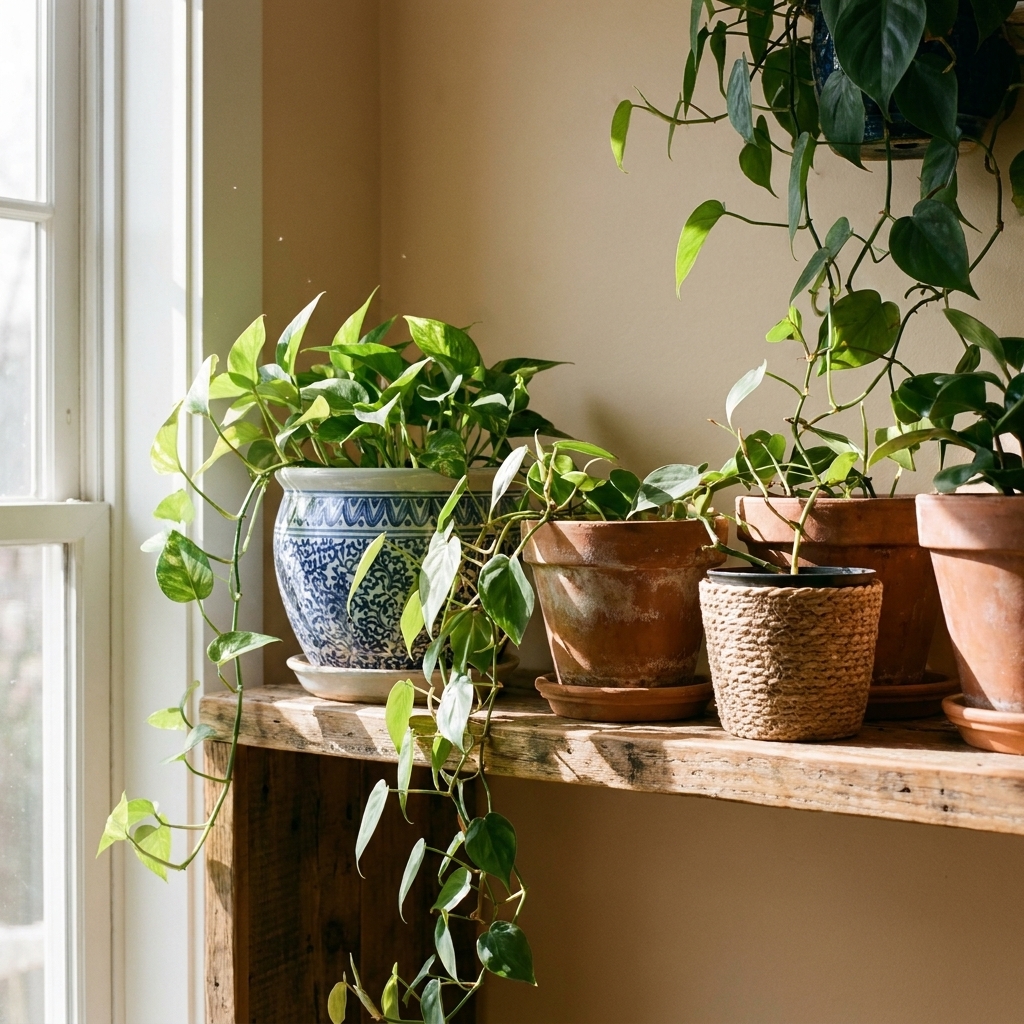
Scale is what makes it look “styled”
Most messy-looking plant displays have one main issue: everything is the same size. When planters are too similar in height and width, your eye has nowhere to land.
The easy scale recipe
- One anchor: the biggest pot or basket (usually floor level)
- Two mediums: on a stand, stool, or low shelf
- Two to three smalls: scattered, not lined up, for rhythm
Mixing materials becomes effortless when your scale is working. A tall woven basket can “hold” a big leafy plant visually, while a chunky glazed pot can add weight at mid-level.
Use stands and stools to fake variety
If all your pots are similar heights, lift one plant. A small stool, a stack of sturdy books, or a low plant stand instantly creates that collected, layered feeling.
How to group mixed planters without the clutter look
I aim for “curated greenhouse corner,” not “every plant I own moved in yesterday.” Here’s what keeps it clean.
1) Build in triangles
Arrange three planters so their top edges form a triangle. Repeat. It sounds overly simple, but it is a stylist’s trick for making eclectic groupings look composed.
2) Repeat one element on purpose
Repetition is the difference between eclectic and accidental.
- Repeat terracotta twice in a grouping, even if shapes differ.
- Repeat a glaze color (two greens, two creams, two blues).
- Repeat a weave tone (two honey baskets, not one honey and one gray and one red).
3) Edit the “extras” around the plants
If you love maximalist style, you can absolutely layer in books, art, and objects. Just keep the immediate plant zone simple. If you want help balancing that vibe, Maximalist Boho in Small Spaces Without the Clutter is a good next read.
Material-specific tips (so the mix stays practical)
Terracotta: embrace imperfections, but control the mess
- Patina is pretty. Water marks and mineral blush read authentic.
- Unify with saucers. A consistent saucer style (all terracotta saucers, or all simple clear) makes mismatched pots feel cohesive.
- Mind the drip zone. Terracotta breathes, which is great for some plants, but it can also leave rings. Use saucers, trays, or liners.
Glazed ceramic: treat it like jewelry
- One statement per cluster is usually enough, especially if it is bright or patterned.
- Echo the glaze elsewhere in the room, even subtly. A pillow detail, art color, or a book spine is plenty.
- Watch the shine count. Too many glossy pots can look like a store display.
Woven planters: use them as “covers” for flexibility
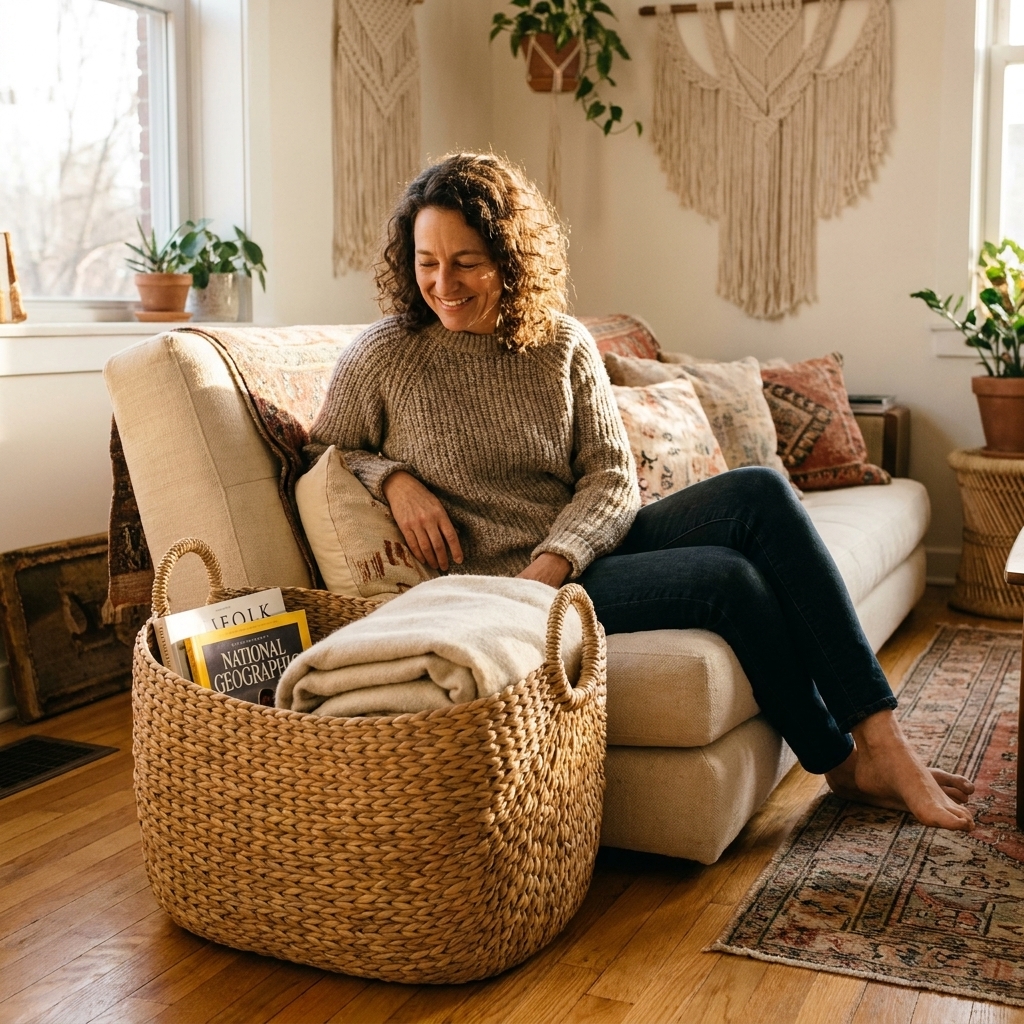
Most woven planters work best as outer baskets with a nursery pot inside. That makes watering easier and lets you swap sizes as plants grow.
- Keep the rim tidy. If the plastic nursery pot shows, add a simple folded cloth liner or choose a taller basket.
- Vary the weave only slightly. Mixed weaves are great, but try to keep them in the same color family.
If you love bringing woven texture into your storage too, you might like 7 Creative Ways to Use Woven Seagrass Baskets for Stylish Boho Storage.
Three foolproof mixing “recipes” to copy
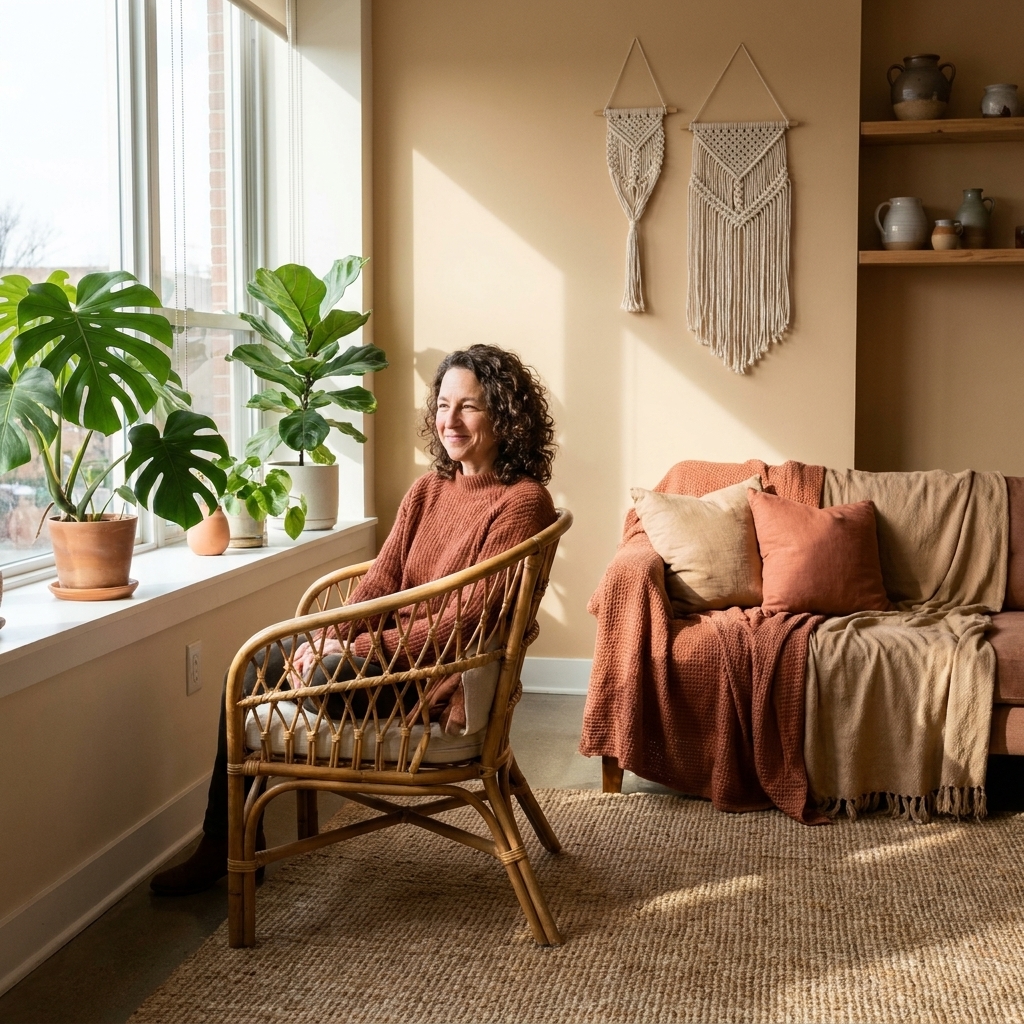
Recipe 1: The sunny windowsill
- 2 small terracotta pots (different shapes)
- 1 medium glazed pot in cream or green
- 1 tiny woven cover basket for a trailing plant
Why it works: terracotta repeats, glaze adds light, weave adds softness.
Recipe 2: The floor cluster next to a sofa
- 1 large woven basket (anchor)
- 1 medium terracotta pot on a low stand
- 1 medium glazed pot (solid color)
- 1 small terracotta pot tucked forward
Why it works: big texture plus grounded clay, with one pop of glaze at eye level.
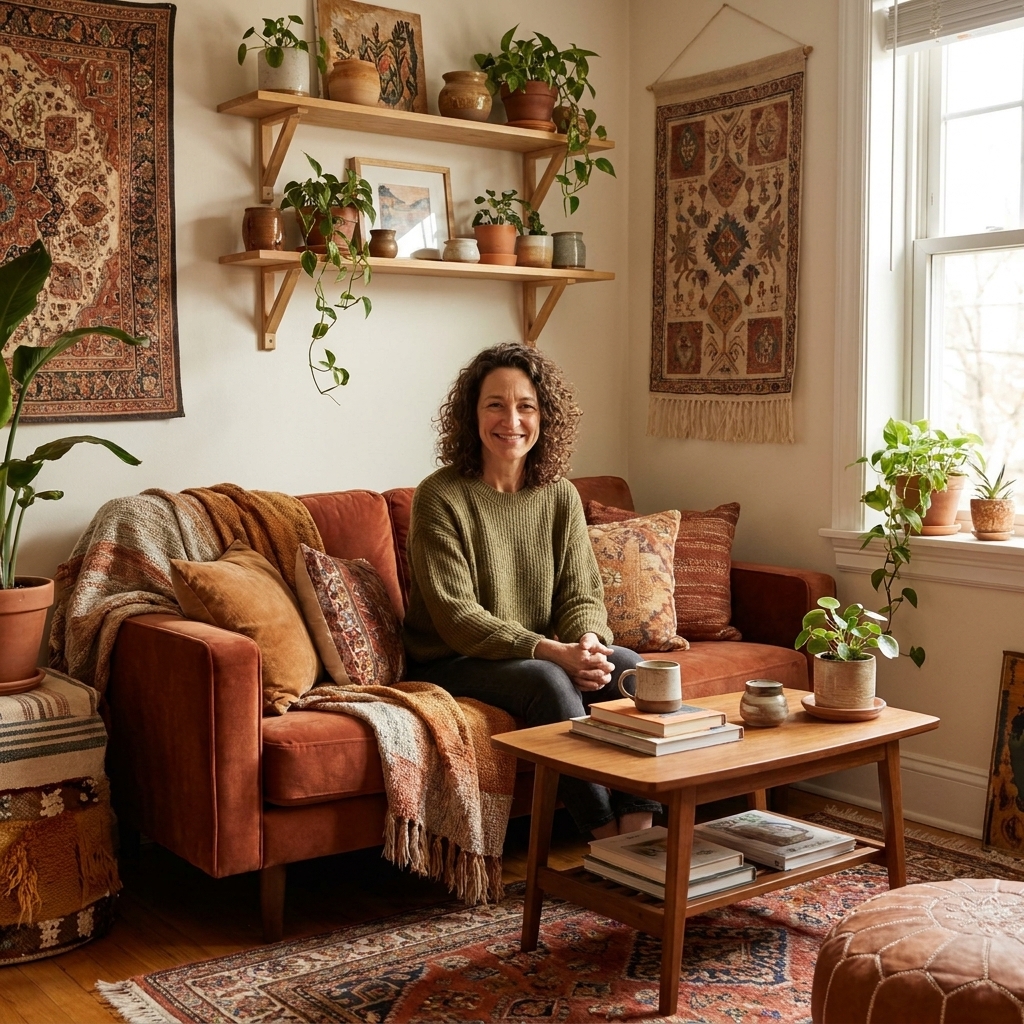
Recipe 3: The “collected over time” shelf
- Mostly terracotta smalls (3 to 5)
- One patterned glazed pot
- One small woven planter, same tone as the shelf or baskets nearby
Why it works: the shelf reads cohesive because most pieces share a matte, earthy base.
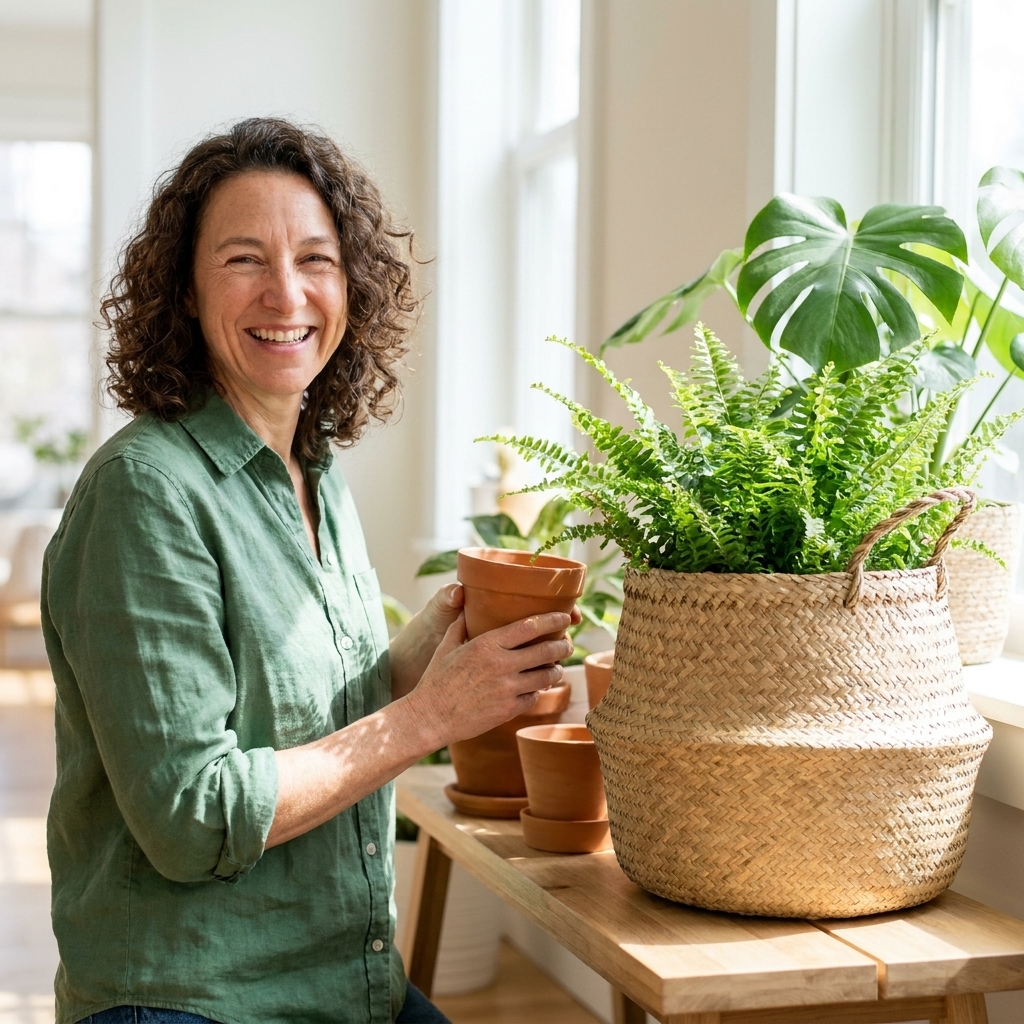
Common mixing mistakes (and quick fixes)
- Mistake: every pot is “special.”
Fix: choose one hero glazed pot per grouping and let the rest be quiet. - Mistake: too many colors in the glaze.
Fix: pick one glaze color to repeat and keep the rest neutral. - Mistake: basket overload.
Fix: swap one basket for terracotta to add structure and weight. - Mistake: everything lines up.
Fix: stagger heights using a stool, stand, or a stack of sturdy books. - Mistake: random undertones.
Fix: decide warm or cool. Terracotta is warm, so pair it with warm whites, warm greens, and honey weaves for an easy win.
A quick styling checklist before you call it “done”
- Do I have at least two repeats (material, color, or shape)?
- Is there a clear largest anchor pot?
- Do I have a mix of matte, shine, and texture?
- Can my eye find a resting place (some simple pots) and a moment (one statement pot)?
- Is watering practical, meaning saucers, trays, or basket covers that lift out?
If you want to take the whole display up a notch, pair these planter rules with strong plant placement. I wrote a full guide on that here: Arrange Houseplants Like a Designer.
FAQ
Can I put terracotta pots inside woven baskets?
You can, but I usually do the reverse: keep the plant in a plastic nursery pot inside the basket, then use terracotta as its own vessel with a saucer. Terracotta can shed grit and leave marks, and baskets can trap moisture if there is no airflow. If you do nest terracotta inside a basket, add a waterproof liner and make sure the pot can fully dry between waterings.
How many different planter materials is too many?
In one cluster, three is my sweet spot. If you add metal, concrete, or stone too, keep them as accents and repeat them elsewhere in the room so they do not feel random.
Should my planters match my decor or my plants?
Both, lightly. I like planters to echo the room’s palette, while the plant shapes provide the contrast. If your plants are already visually busy (variegated leaves, bold shapes), go calmer on pot color and pattern.