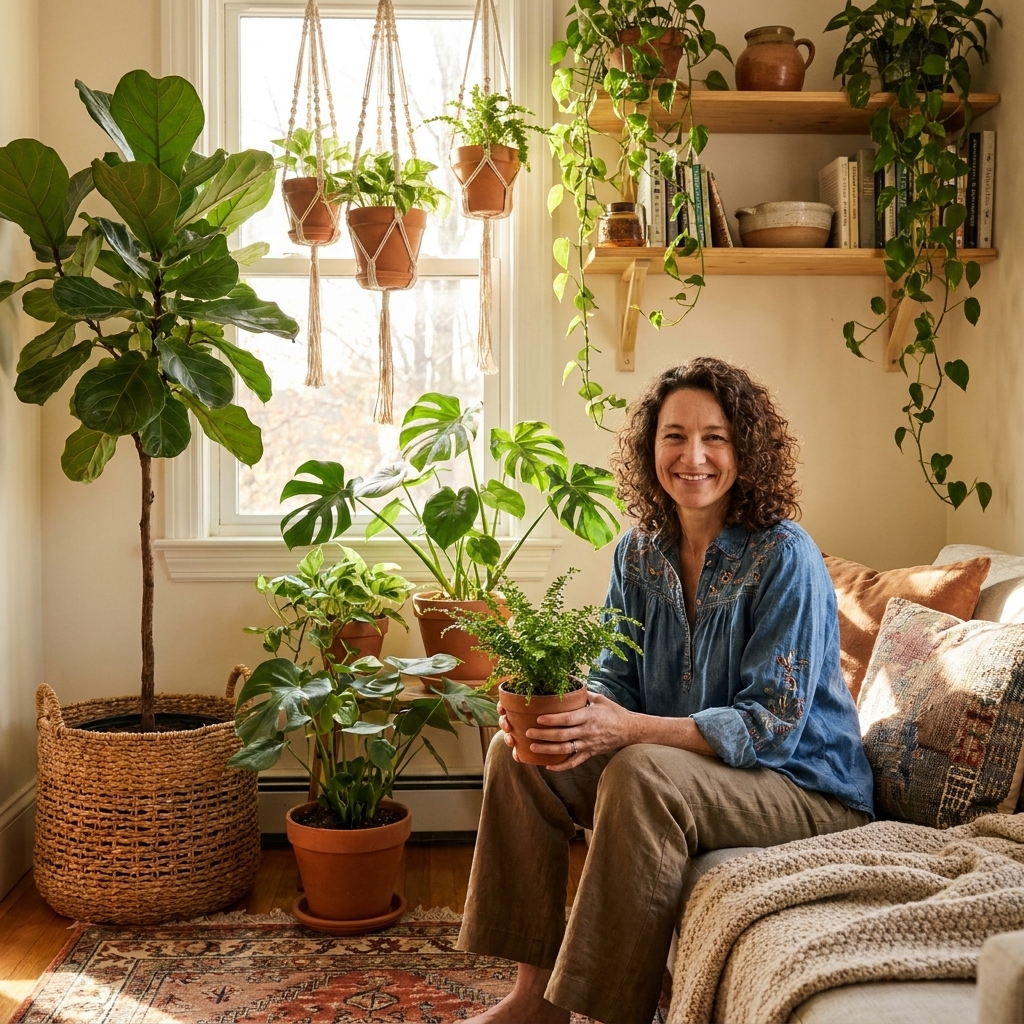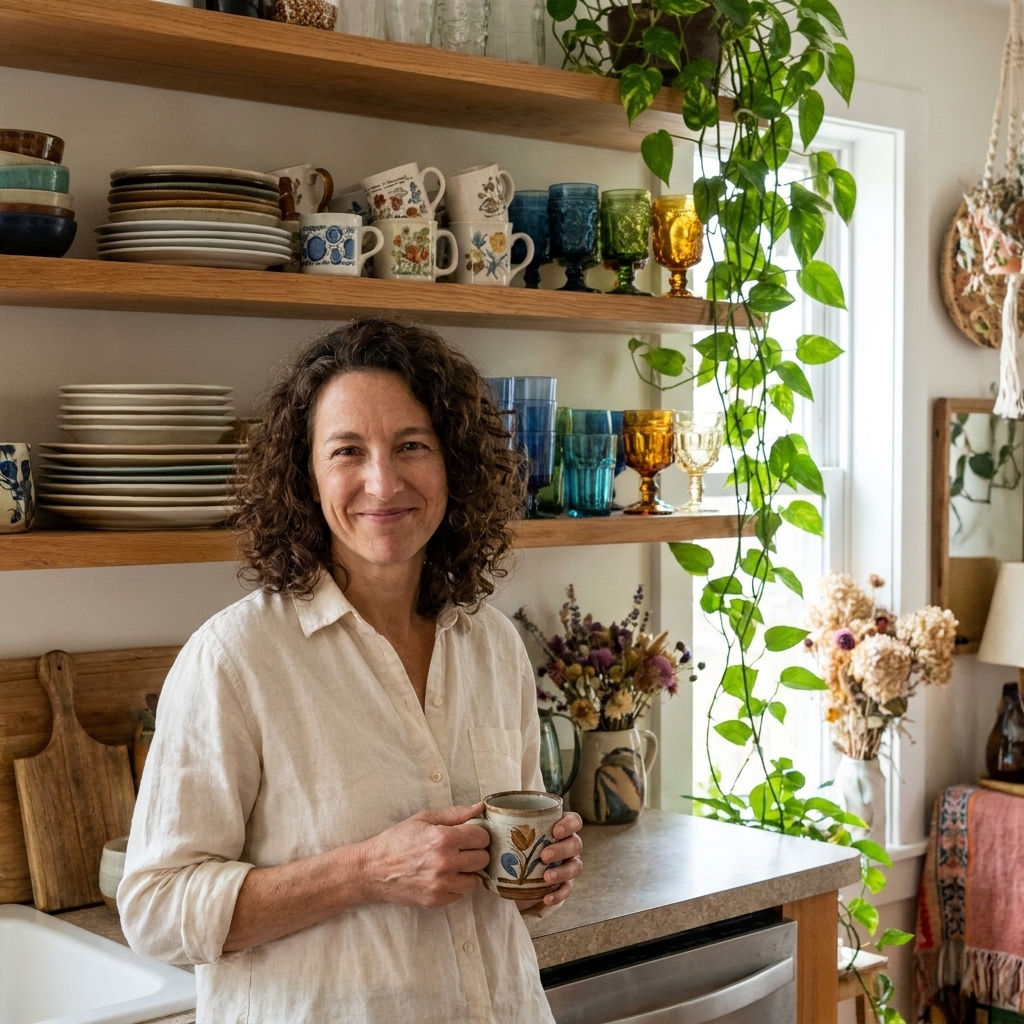

I grew up in a road trip family, which means my childhood home was basically a rotating museum of “remember when we found this?” objects. A little carved box from a desert stop. A woven basket from a tiny coastal shop. Postcards, textiles, tiny ceramic animals that definitely did not match anything. Fast forward to my adult rental life, and I’ve learned the difference between a home that feels collected and a room that looks like a vacation gift shop.
The goal is not to hide your treasures. It’s to give them context, breathing room, and a little design support so they look intentional every day, not just sentimental.
Start with the big rule: fewer items, better story
When everything is displayed, nothing gets to shine. I like to treat travel pieces like artwork: you do not need all of it out at once for it to be meaningful.
- Pick a theme per surface. One shelf might be “handmade ceramics,” another might be “woven pieces,” another might be “maps and paper.”
- Rotate thoughtfully. If you have a lot, store part of your collection and swap it in now and then. This can help limit UV exposure and dust buildup, especially for light-sensitive textiles and paper, but rotation also means more handling, so pack and move pieces gently and store them properly.
- Let one piece lead. Choose a hero item (a mask, a textile, a large bowl) and support it with quieter companions.
If you need a simple filter, ask: Does this piece look better displayed with others, or does it deserve solo space? Often the answer is “solo space.”
Respect first: cultural pieces are not just boho decor
I love global-inspired styling, but I also think it matters how we do it. A few quick guidelines I try to follow before I put anything on a wall or shelf:
- Avoid displaying sacred objects as casual props. Religious items, ceremonial masks, or funerary objects deserve extra care and context. Norms vary by culture and by the object itself, so when in doubt, treat it like art you’re responsible for, not a trend you’re borrowing.
- Keep original context when you can. If you know where it’s from, who made it, or what it was used for, honor that. A tiny label on the back of a frame is enough.
- Choose artisan-made over “airport-gift” reproductions when possible. Not because souvenirs are bad, but because handmade pieces often have better materials, better scale, and a more grounded presence.
If you’re ever unsure, display the piece in a way that feels reverent and uncluttered, like you would with art.
Make it look designed: ground, group, repeat
When I’m integrating travel finds into a room, I lean on one reliable formula: ground, group, and repeat.
Ground it
Give the object a base so it looks “placed,” not “set down.” Try:
- A wooden tray
- A vintage book stack
- A shallow basket
- A linen runner or folded textile
Group it
Most small souvenirs tend to look best in clusters of 3 to 5 rather than scattered across the room. Clustering reads like a collection, not clutter.
Repeat it
Repeat one element elsewhere so the piece connects to your overall palette. Repeat:
- A material (rattan, brass, clay)
- A color (indigo, terracotta, saffron)
- A shape (round bowl echoed by round mirror)
This is one of the most reliable paths to cohesion. The room is doing some of the visual work, so your souvenir doesn’t have to shout.
Use books and frames to turn souvenirs into art
If you want souvenirs to look elevated quickly, pair them with paper goods. Paper adds structure and makes a collection come across as curated.
Easy upgrades that look intentional
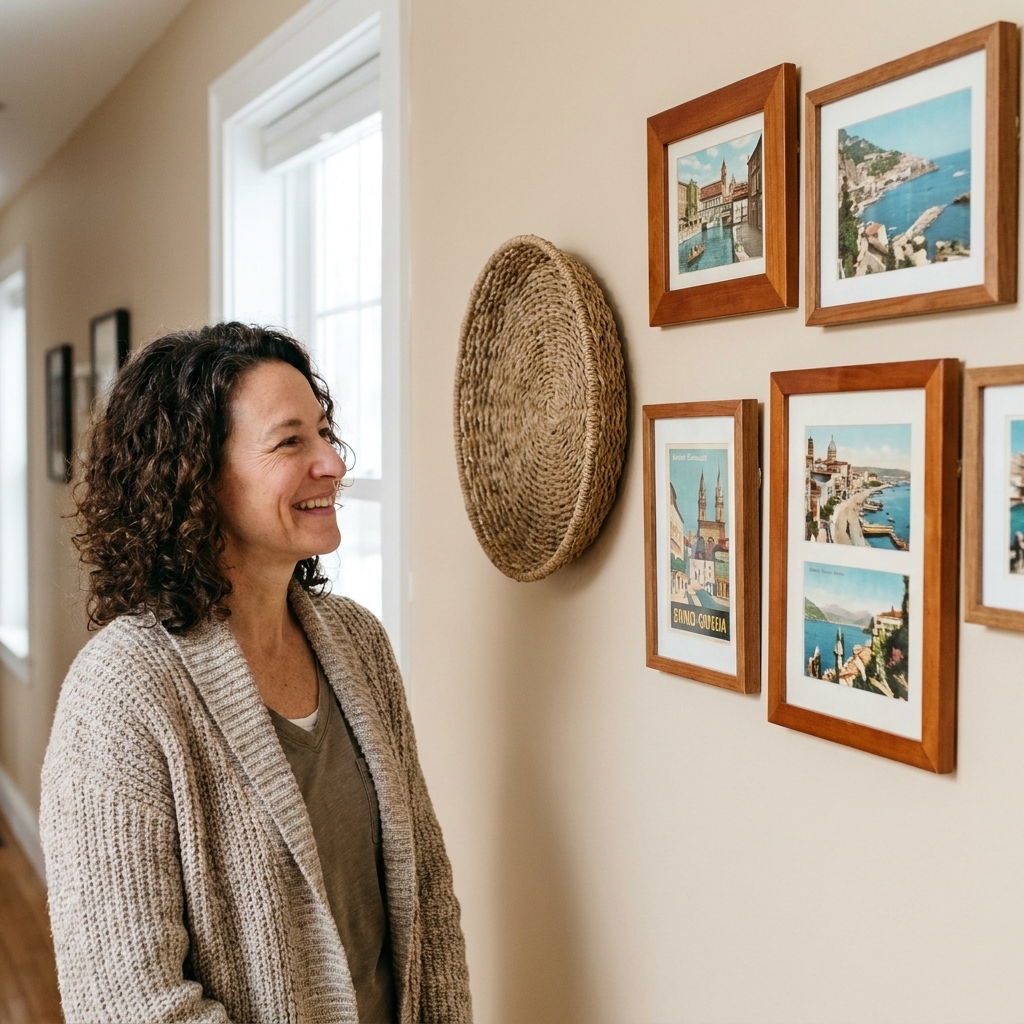
- Frame postcards and tickets. A simple mat makes even the smallest paper look gallery-worthy.
- Prop a travel sketch or map on a shelf. It creates height behind smaller objects.
- Group items like a mini exhibit. Put a framed postcard behind a small carved figure and a candle, all on one tray.
This same idea works beautifully if you’re building a larger wall moment. If you want help making eclectic frames feel cohesive, I have a full guide on creating an eclectic gallery wall with mixed frames and art.
Textiles are the easiest bridge
Textiles are my favorite “bridge” for international finds because they soften a space and connect hard objects. A single textile can make a carved statue, a brass tray, and a random flea market bowl suddenly look like they belong together.
Ways to display textiles without looking themed
- Hang a small textile like art. A vintage scarf, indigo cloth, or embroidered panel can be clipped to a wooden hanger or mounted in a frame.
- Layer textiles under objects. A folded runner on a console instantly elevates a collection.
- Drape with intention. One throw over one chair, not three throws everywhere.
If you love the natural, earthy side of boho, you might also like my ideas on textiles and natural elements for cozy layering.
Shelf styling: one shelf, one place
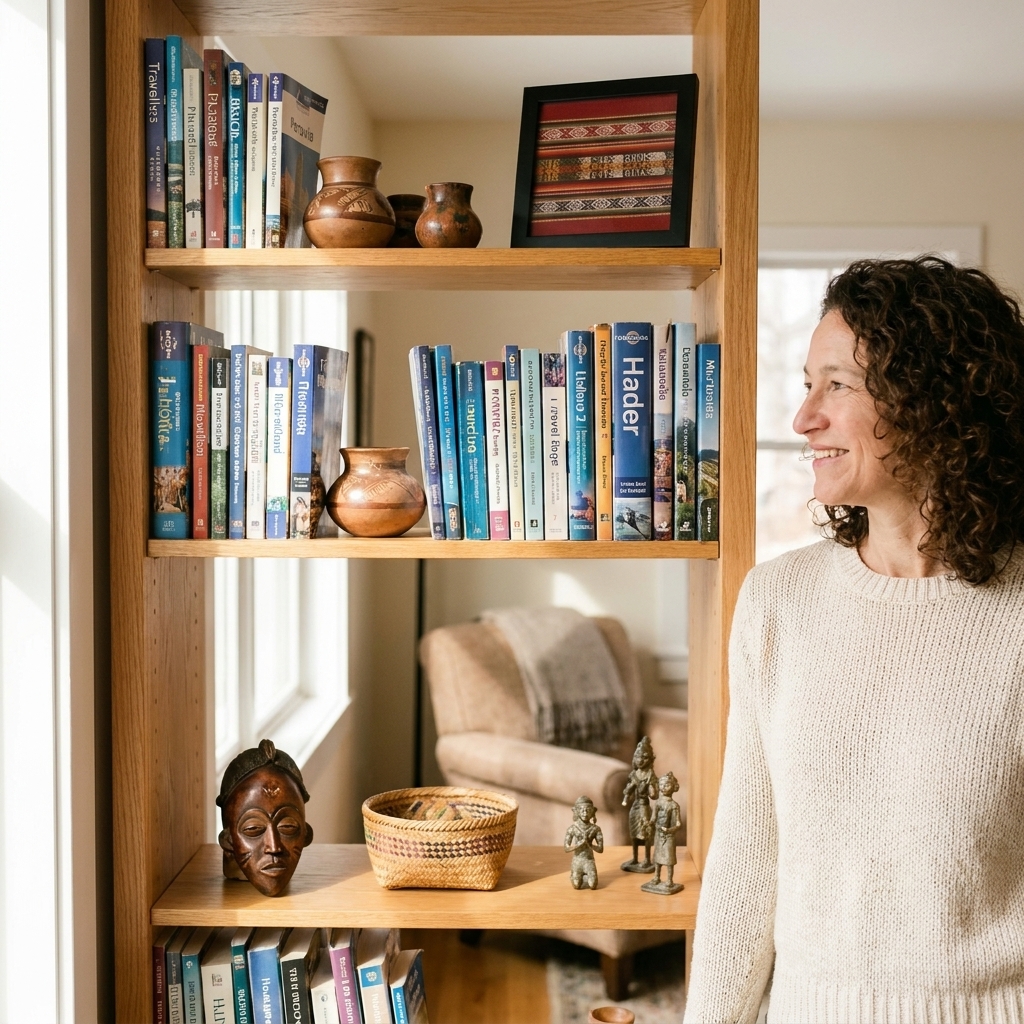
If you have multiple regions represented in your collection, mixing everything together can get busy fast. One trick I use when a bookshelf starts looking like a souvenir explosion is to give each shelf a “place” or a “material.”
Try one of these shelf themes
- By place: one shelf inspired by Morocco, one shelf inspired by Japan, one shelf inspired by Mexico
- By material: all ceramics, all woven, all metal and stone
- By color: indigo shelf, terracotta shelf, black and natural shelf
And yes, you can keep it subtle. This is not about turning your home into a set. It’s just a visual organizing system.
The shelf formula I use most
- Back: one framed piece or tall object
- Middle: 2 to 3 objects with different heights
- Front: one low bowl or box (great for holding smaller souvenirs)
- Negative space: leave about a quarter of the shelf empty
Room-by-room ideas
Living room
- One statement wall piece (textile, basket, mask) paired with quieter art
- Conversation-starting coffee table vignette on a tray: one book, one bowl, one small sculptural object
- Low, wide bowls for keys and remotes that still look special
Dining area
- Use serving pieces as decor. A carved wooden platter or brass tray can live on the table or sideboard.
- Display a small set together. Three matching or related items usually reads more curated than one lonely object.
Bedroom
- Textiles shine here. A pillow cover, throw, or wall-hung fabric gives you the travel vibe without clutter.
- Keep surfaces calm. One sentimental object on a nightstand is lovely. Five becomes visual noise.
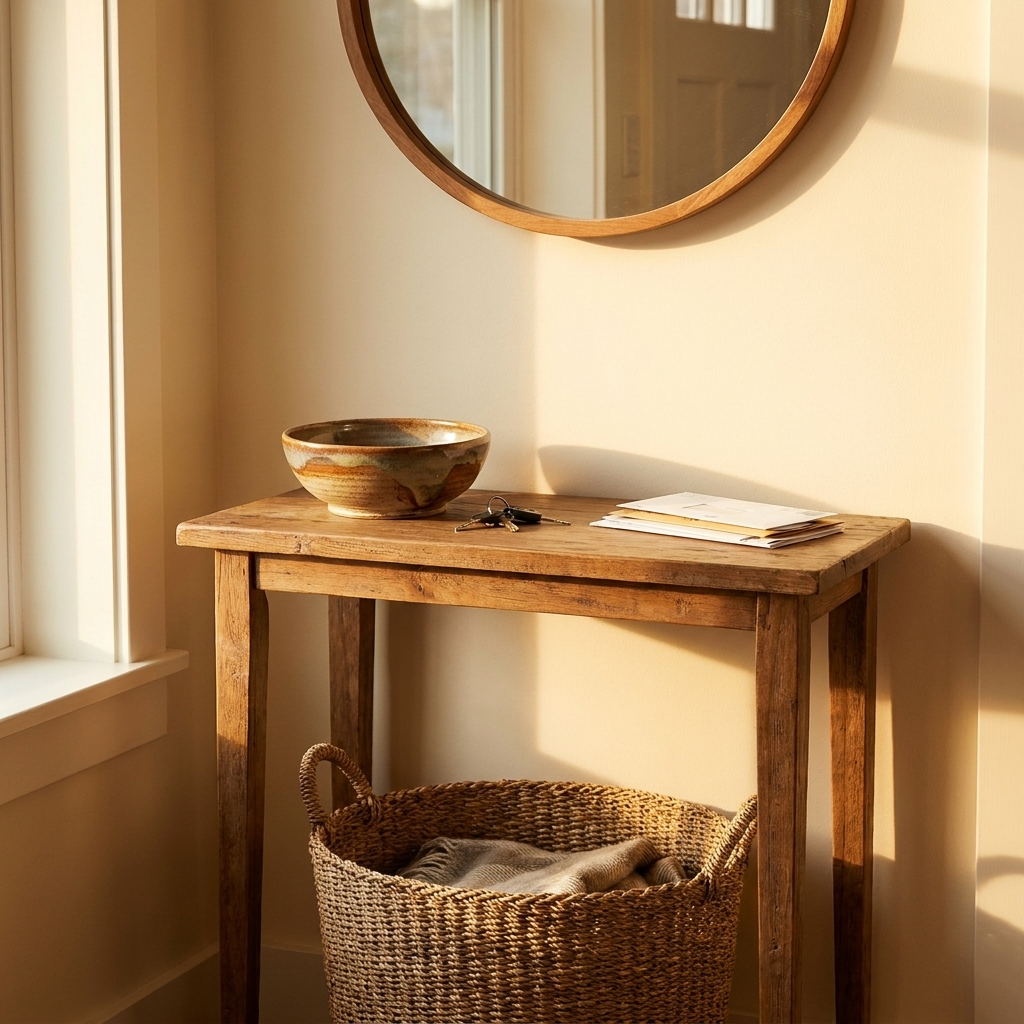
Entryway
- Make it functional. A hand-thrown bowl or carved box is perfect for catch-all storage.
- Anchor with a mirror. A mirror plus one shelf or console creates structure so small items do not float.
Mix eras and patterns without chaos
Travel pieces often come with bold pattern, strong color, or ornate detail. If your room is already eclectic, that’s great. You just need a little editing so everything plays well together.
- Let one pattern be the loudest. If your textile is busy, keep surrounding pillows simpler.
- Use solids as rest stops. Linen, jute, wood, and plaster tones give the eye a break.
- Repeat a color a few times. Three repeats often works as a quick cohesion trick, but trust your eye and your room’s light.
If pattern mixing makes you nervous, I wrote a full, friendly walkthrough on how to mix bold patterns without clashing.
Care and preservation basics
If you want your pieces to last (and still look good on display), a little preservation goes a long way. I keep it simple, especially in a rental.
- Watch the sun. Direct sunlight fades textiles, paper, and dyed fibers quickly. If you love a sunny room, place the most fragile pieces a bit farther from the window.
- Mind humidity. Bathrooms and damp basements can warp wood, encourage mold on natural fibers, and tarnish metals. “Normal room” conditions are your friend.
- Give paper a better setup. Acid-free mats and backing help slow yellowing for postcards, tickets, and prints.
- Prevent scratches and chips. Felt pads under ceramics and trays under small objects protect both your surfaces and your souvenirs.
- Store textiles clean. Fold with acid-free tissue if you have it, keep them dry, and avoid storing in plastic if there’s any chance of trapped moisture.
Lighting and scale
Light it like a collection
A small lamp near a shelf or a picture light over framed art can make souvenirs look like a curated display. Soft, warm bulbs are your friend here.
Fix the “too small” problem
A tiny figurine on a big empty console will always look like it’s waiting for friends. Scale it up by:
- Placing it on a stack of books
- Grouping it with 2 to 3 related items
- Adding a taller element behind it (a vase, frame, or plant)
And if you want the easiest styling partner of all, add greenery. Plants make global objects look grounded and alive. If you need help arranging them like decor (not like a nursery shelf), see arrange houseplants like a designer or browse The Indoor Jungle.
Ethics for thrifted and market finds
Thrifting and flea markets are where a lot of my “global” pieces come from, too, but it’s worth a quick pause. Sometimes items show up secondhand that were not meant to be sold, or they’re replicas with fuzzy origins. If anything feels questionable, I skip it. If you’re curious, a few simple steps help: ask the seller what they know, look up symbols or inscriptions, and choose pieces with clear, ordinary uses (baskets, textiles, pottery) over objects that look ceremonial.
What to avoid (my gift shop red flags)
- Too many miniatures spread out. Mini items need clustering or they read like clutter.
- Every wall filled. Give your best pieces space.
- Too many flags, signs, or country-name souvenirs. A few can be fun, but lots of text-based souvenirs can look themed fast.
- All souvenirs in one corner. Integrate them throughout the home so it reads like your style, not a display booth.
A quick reset if it already feels overwhelming
If you look around and think, “Yep, gift shop,” here’s the reset I do in my own space:
- Clear the surface completely. Everything off.
- Choose one anchor item. Biggest or most meaningful piece.
- Add only 2 to 4 supporting items. Mix height and material.
- Ground with a tray or textile.
- Walk away, come back, and remove one thing. I almost always remove one thing.
Your souvenirs are allowed to be sentimental. They are also allowed to be styled. When those two things meet, the room starts to look like you live an interesting life, not like you just came back from the airport.
More styling inspiration
If you want more eclectic, lived-in ideas, you can browse Styling & Inspiration. And if thrifting is how you find most of your globally inspired pieces (same), start here: Budget Boho & Thrifting and 10 thrift store staples for authentic boho style.