
The fastest way I know to make a room feel like it has a story is to tuck a tiny world under glass. A vintage-style terrarium has that Victorian conservatory romance, but when you pair it with earthy pots, thrifted brass, and a little bit of wild trailing green, it leans beautifully boho too.
Whether you found a true antique Wardian case at a flea market or you are working with a modern geometric glass terrarium, the goal is similar: a miniature plant display that can hold onto a bit more humidity than an open pot, and looks intricate even when the care routine is simple. Just know that some modern styles are a little leaky, so they behave more like a humidity-boosting display than a sealed ecosystem.
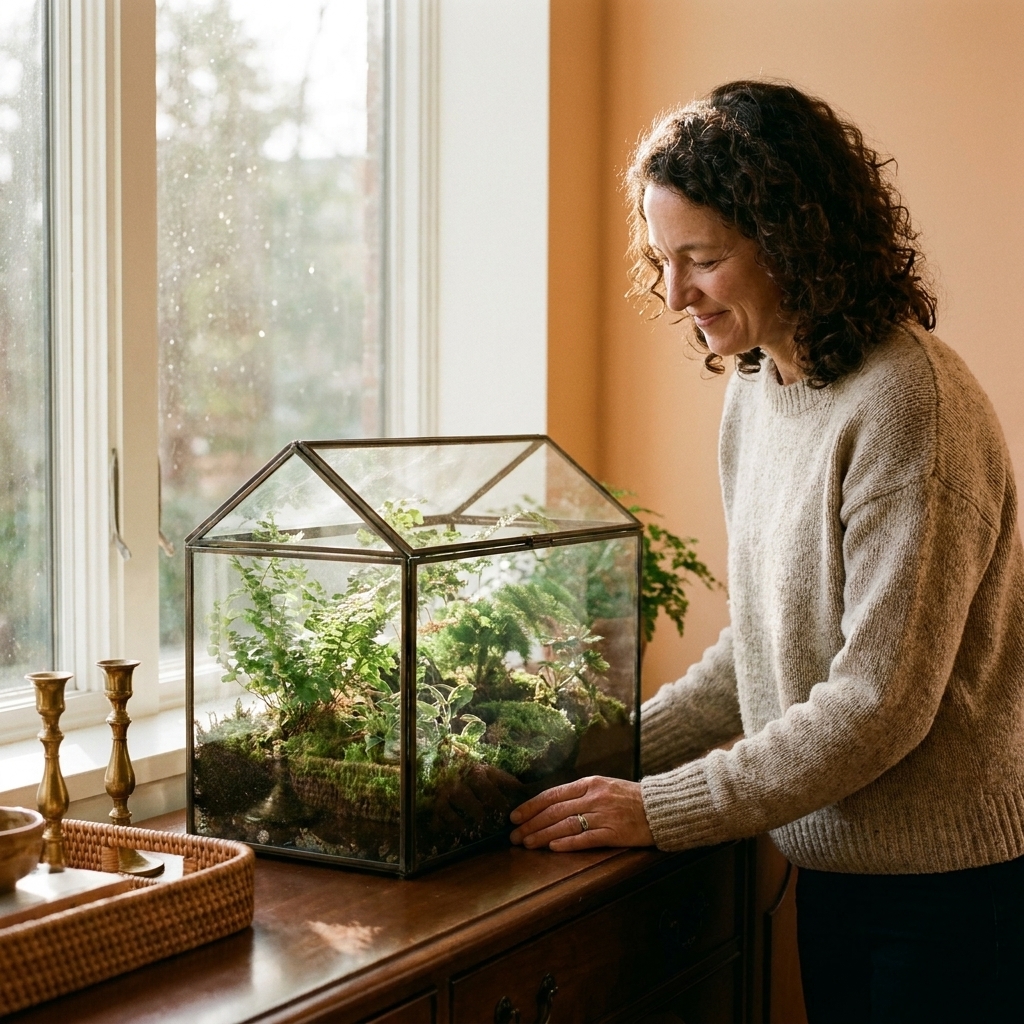
What makes it Victorian-boho
Victorian and boho might sound like opposites, but in real homes they overlap in the best way: layered objects, collected curiosities, and lots of life. Here is the styling sweet spot I aim for.
- Victorian side: arched glass, brass frames, dark wood, delicate botany, and that “cabinet of curiosities” vibe.
- Boho side: relaxed asymmetry, woven textures, sun-warmed earth tones, and plants that spill or mound naturally.
- The bridge: patina. A slightly aged frame, imperfect glass, and natural materials make the whole arrangement feel lived-in instead of staged.
If you love the layered plant look but struggle with dry indoor air, the right terrarium can be a practical win. It can create a friendlier microclimate for humidity lovers, especially when it is more sealed or has a well-fitting lid.
Sourcing vintage-style terrariums
I am a thrift-first decorator, but terrariums are one of those items where “almost right” can become a headache. You want charm, yes, but you also want a lid that fits and glass that is not one bump away from disaster.
Where I actually look
- Estate sales and flea markets: best odds for real Wardian cases, cloches, and old display boxes.
- Thrift stores: I find cloches, apothecary jars, cookie jars, and occasionally lantern-style terrariums. This is where patience pays off.
- Vintage shops: pricier, but you can inspect quality and hinges in good light.
- Facebook Marketplace and local resale apps: great for larger pieces because you can avoid shipping damage.
What to check before you buy
- Fit and function: Does the lid sit securely? Do doors close cleanly? Are hinges tight?
- Rust vs. structural corrosion: A little surface rust can be charming. Crumbly, pitted metal that feels weak is a no for anything that needs to open and close.
- Glass condition: Small scratches are fine. Cracks, sharp chips, or loose panes are not worth the stress.
- Ventilation: Fully sealed is great for moss terrariums. A tiny gap or vent can be helpful if you tend to overwater.
- Size and access: If you cannot comfortably fit your hand or tongs inside, planting becomes an annoying puzzle.
If you are building your plant collection alongside your decor, you might enjoy my guide to budget boho thrifting. It is the same mindset: hunt for good bones, then style like you meant it.
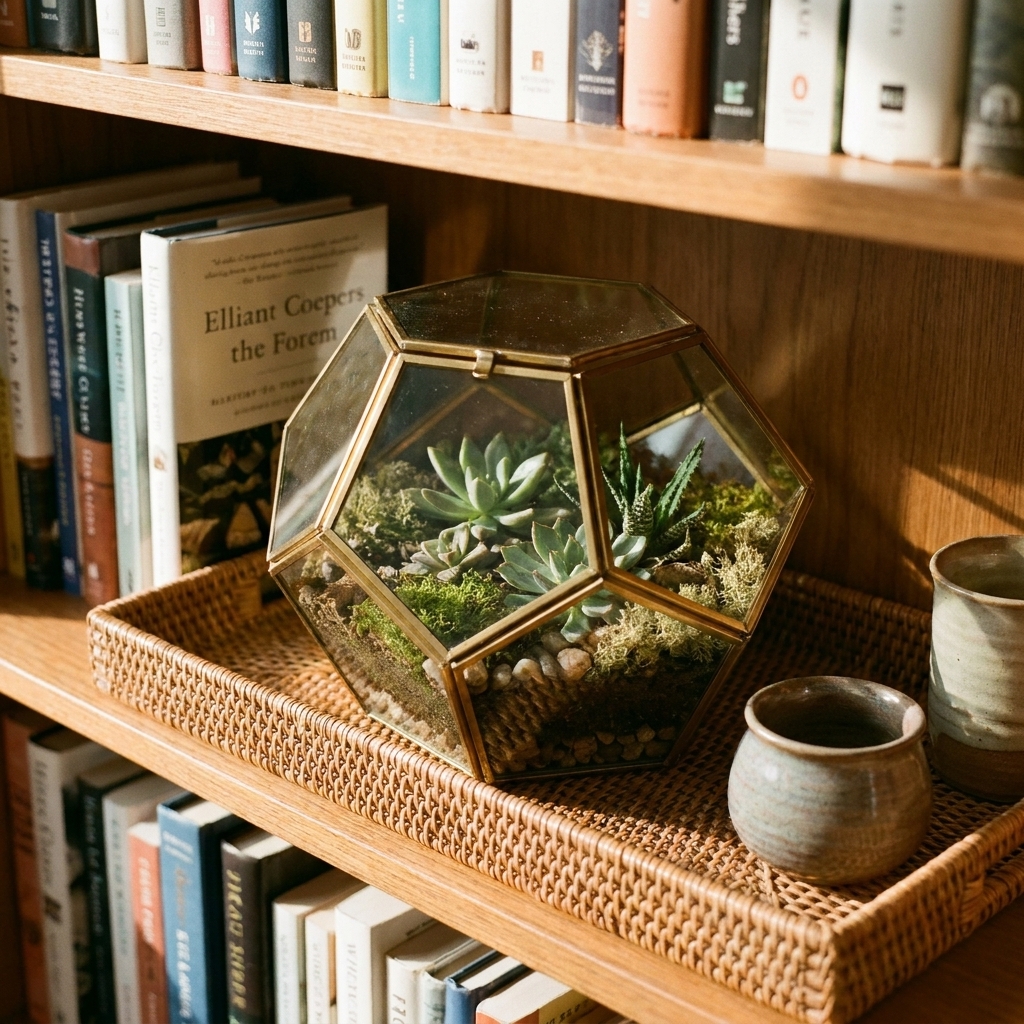
Choosing the right type
Both Wardian cases and geometric terrariums work for the Victorian-boho look, but they behave a little differently once planted. The biggest difference is how well they hold humidity.
Wardian case
- Best for: lush, woodland scenes with ferns, moss, and humidity-loving mini plants.
- Pros: often holds humidity well, looks instantly Victorian, usually has a larger footprint for layering.
- Watch-outs: can get too wet if you overwater, and true antiques can be delicate.
Geometric glass terrarium
- Best for: small, curated arrangements and sculptural plants that like steady moisture but not soggy roots.
- Pros: easy to tuck into shelves, looks great with brass and gemstones, often has a lid you can prop open.
- Watch-outs: many are not airtight. Expect more evaporation and plan for occasional watering and monitoring.
Cloches and apothecary jars
- Best for: a single hero plant, a moss mound, or a tiny vignette on a tray.
- Pros: extremely “collected,” easy to swap seasonally with minimal effort.
- Watch-outs: limited airflow. You have to be gentle with water.
Easy plants for humid mini displays
Terrariums reward you for choosing plants that actually like consistent moisture and medium light. If you pick desert plants for a humid glass box, you will end up with a mushy mess and a guilt spiral. Ask me how I know.
My reliable list
- Moss (sheet moss, cushion moss): the quickest way to make everything look like an enchanted forest floor.
- Mini ferns: lemon button fern, rabbit’s foot fern, small maidenhair varieties if you are feeling brave.
- Fittonia (nerve plant): colorful, stays compact, loves humidity.
- Selaginella (club moss, spike moss): not a true moss, but it gives that lush, feathery texture.
- Peperomia (small-leaf types): great texture, but choose varieties that tolerate humidity and do not keep the soil constantly wet.
- Pilea (small varieties): can work in brighter spots, but pick compact, humidity-tolerant types and avoid swampy soil.
Plants I skip in closed terrariums
- Succulents and cacti: they prefer airflow and dry soil.
- Fast growers: anything that will quickly press against the glass and outgrow the scene.
- Anything that hates damp: if a plant is prone to stem rot in regular pots, a sealed terrarium will not magically make it happier.
If you want more plant-placement ideas for the rest of your room, I have a full guide on how to arrange houseplants like a designer. Terrariums are basically the miniature version of that same layering concept.
How to plant it right
Terrariums look intricate because they are layered. The trick is to build those layers intentionally so the plants get humidity without sitting in swampy roots.
What you need
- Small plants (terrarium scale is key)
- Long tweezers or tongs (optional, but so helpful for narrow openings)
- Small brush or spoon for soil cleanup
- Terrarium substrate (see below)
- Decorative natural elements: stones, bark, dried pods, tiny wood pieces
Step-by-step layering
- Clean the glass: wipe inside and out so you are not staring at fingerprints later.
- Add a drainage layer: a thin layer of small pebbles or LECA helps keep excess water away from roots. This matters most for closed containers with no drainage holes.
- Add charcoal (optional): horticultural charcoal is popular because it can help with freshness in a closed environment, but it is not a cure-all. Moisture control and removing decaying leaves matter more.
- Add a barrier: a thin layer of sphagnum moss or a small piece of mesh can keep soil from falling into the drainage layer.
- Add soil: use a light, well-draining mix. I like something that holds moisture but does not compact. Press gently, do not pack it down hard.
- Plant from back to front: taller textures in the back, low mosses and creeping plants toward the front, leaving a little negative space for the scene to breathe.
- Top-dress: add moss, stones, or bark for that antique conservatory look.
- Water lightly: think misty forest, not a rainstorm. You can always add more, but pulling water out is annoying.
Sealed vs. vented watering
- Sealed terrarium: water sparingly at planting, then watch. The goal is light condensation that shows up and then clears a bit during the day. If you see heavy condensation all day long, open the lid for a few hours. If your system is stable, you do not need to open it daily. It can stay closed for long stretches.
- Vented or leaky terrarium: treat it like a very humidity-friendly planter. It will need occasional watering, but usually less often than an open pot.
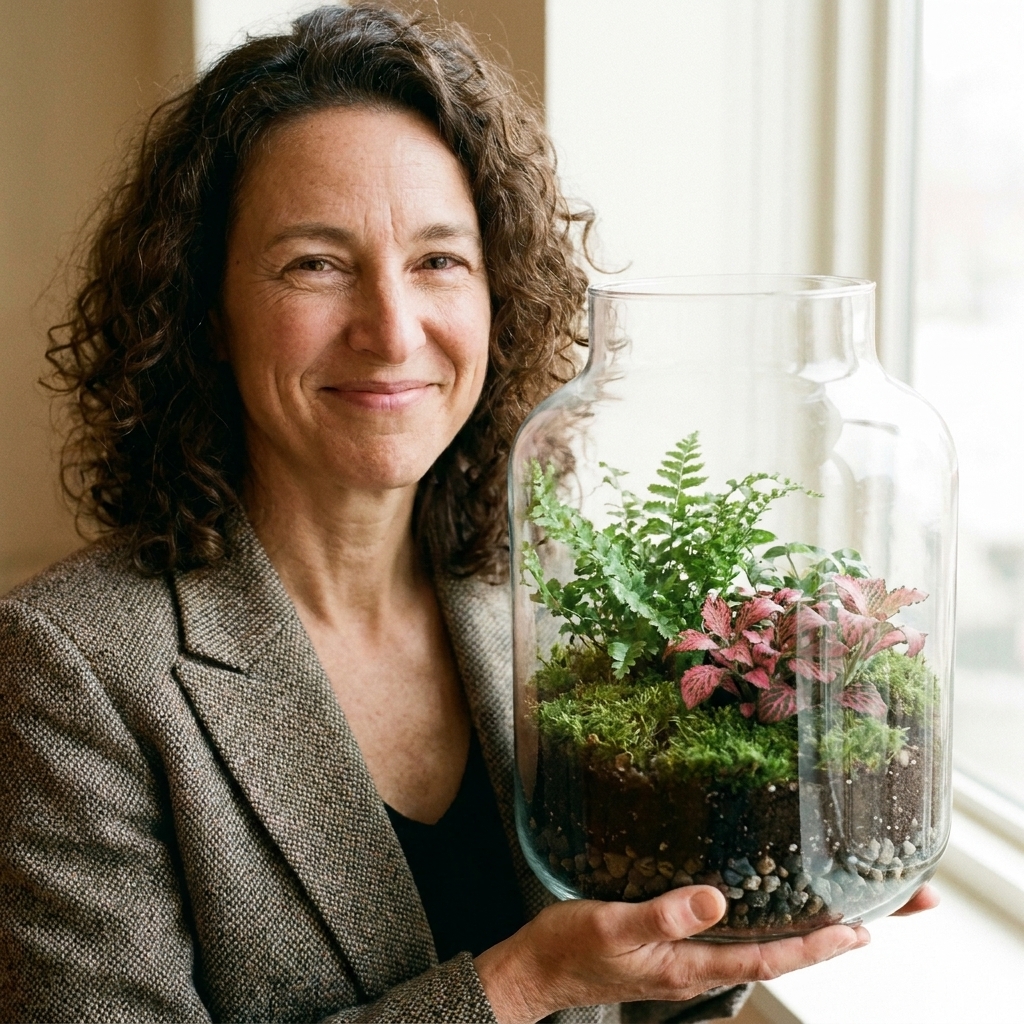
Light, temp, and placement
The biggest terrarium mistake I see is putting one in direct sun because it looks cute on a bright windowsill. Glass plus sun equals overheated plants fast.
- Best light: bright, indirect light near a window, or a few feet back from a bright exposure.
- Best temps: typical indoor temperatures are ideal. Terrariums crash faster in hot rooms, so avoid heat sources and sudden temperature swings.
- Avoid: hot afternoon sun, radiators, heat vents, and spots above appliances.
- Low light reality check: if your space is dim, a grow light can make terrariums thrive without moving them into awkward places. My favorite styling-friendly options are in stylish grow light solutions for dark rooms.
Also consider your lifestyle. If you are the kind of person who rearranges furniture on a whim (hi, it is me), choose a terrarium that is easy to lift and move safely.
Styling the vignette
This is where the “under glass” moment becomes a whole mood. I treat terrariums like jewelry for the room: reflective, detailed, and best when grouped with a few contrasting textures.
Pairings that work
- Brass and patina: candlesticks, small frames, or a thrifted tray to ground the glass with warmth.
- Woven texture: rattan, wicker, or bamboo keeps the look relaxed. If you are deciding between materials, my breakdown of rattan, wicker, or bamboo can help you choose what fits your space.
- Old books: stacked under a cloche or next to a Wardian case for that collected-library feel.
- Textiles nearby: a mudcloth runner, a block-print napkin, or even a draped throw within the same sightline adds softness. For ideas, see authentic mudcloth sourcing and styling.
- Stone and ceramic: a small terracotta pot or glazed ceramic planter beside the terrarium looks earthy and intentional.
Three easy setups
- Console table conservatory: Wardian case centered, a trailing plant to one side, and a small stack of books with a brass object on the other.
- Bookshelf jewel box: geometric terrarium tucked between books, with a small woven basket below for balance. If you need basket ideas, I like creative ways to use woven seagrass baskets.
- Nightstand greenhouse: a cloche over a single fittonia or moss mound, paired with a linen shade lamp and one special thrifted dish for rings.
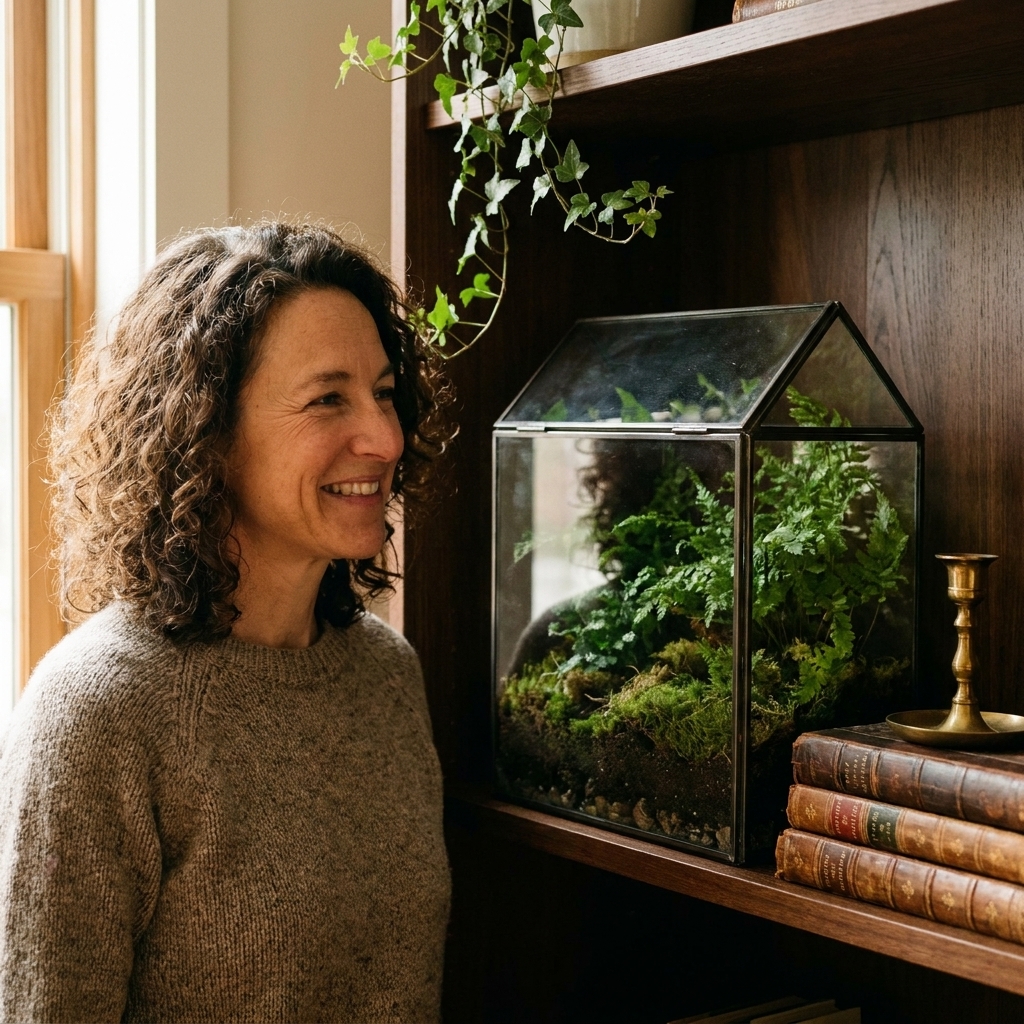
Maintenance
Once a terrarium is balanced, it should feel almost boring to care for. That is the dream. Here is the routine I follow.
Weekly quick check
- Look at condensation: foggy all day means too wet. Bone-dry glass for weeks means too dry.
- Scan for mold: a little white fuzz on decaying leaves happens. Remove the affected bits quickly and vent for a day.
- Trim: pinch back leggy growth to keep plants from pressing against the glass.
Monthly tidy
- Wipe the inside glass if it is getting mineral spots.
- Remove any fallen leaves.
- Rotate the terrarium slightly for even growth if light comes from one side.
Common issues and fixes
- Moldy soil surface: open the lid more often, remove decaying plant matter, and cut back on water.
- Plants turning mushy: too wet or too hot. Vent immediately and move away from direct sun or heat.
- Crispy leaves: usually too much light or heat, or not enough moisture. Move to gentler light first. If it is sealed, a brief close and reset often works better than frequent misting. If you do add water, aim it at the soil line instead of spraying foliage.
- Fungus gnats: let the surface dry slightly and avoid overwatering. Keeping the terrarium balanced is the real solution.
Terrariums with pets
If you live with cats or dogs, terrariums can be a smart way to enjoy plants with a little extra protection. The big caution is that terrariums are not pet-proof, especially if they are on low tables or wide windowsills.
- Double-check every plant: toxicity varies by species, even within common terrarium categories. Before you bring anything home, verify the exact plant and cultivar using a reliable pet-toxicity resource.
- Use smart placement: higher shelves, closed cabinets, or rooms pets do not access beat “hoping they ignore it.”
- Skip snacky top dressing: some pets will try anything once, including shiny pebbles.
- Choose stable surfaces: a terrarium tipping is a glass-and-soil disaster.
If you are building a plant list with pets in mind, my guide to pet-friendly boho plants for cats and dogs is a good starting point for the rest of your space.
FAQ
Do I need a drainage layer?
If the container has no drainage holes, a drainage layer helps buffer mistakes. It will not magically fix chronic overwatering, but it makes the setup more forgiving, especially for sealed terrariums.
Can I use a vintage lantern?
Often, yes, if it is glass and has a stable base. Just be aware that many lanterns are not airtight, so treat them like a vented terrarium and plan to water a little more often.
How do I prevent a musty smell?
Musty smells usually mean stagnant air plus too much moisture. Remove decaying leaves, vent the terrarium for a day or two, and reduce watering. Charcoal can help, but it does not replace airflow and good watering habits.
Where should I put one in a small apartment?
I like terrariums on a bookshelf, a bar cart, or a narrow console where they read like decor first and plant second. If you are short on space but still want that lush look, the terrarium becomes your “tiny greenhouse” without needing floor space.
My favorite finishing touch
When the plants are in and the glass is polished, I add one last detail that makes it feel like a found object, not a store display: a small thrifted brass dish beside it, a worn book stack underneath, or a woven tray that softens all the shine. That mix of gleam and texture is the whole Victorian-boho magic.
And if your terrarium sparks the urge to build a bigger indoor jungle, you will feel right at home in The Indoor Jungle, where I share the planty, cozy, collected side of eclectic decorating.