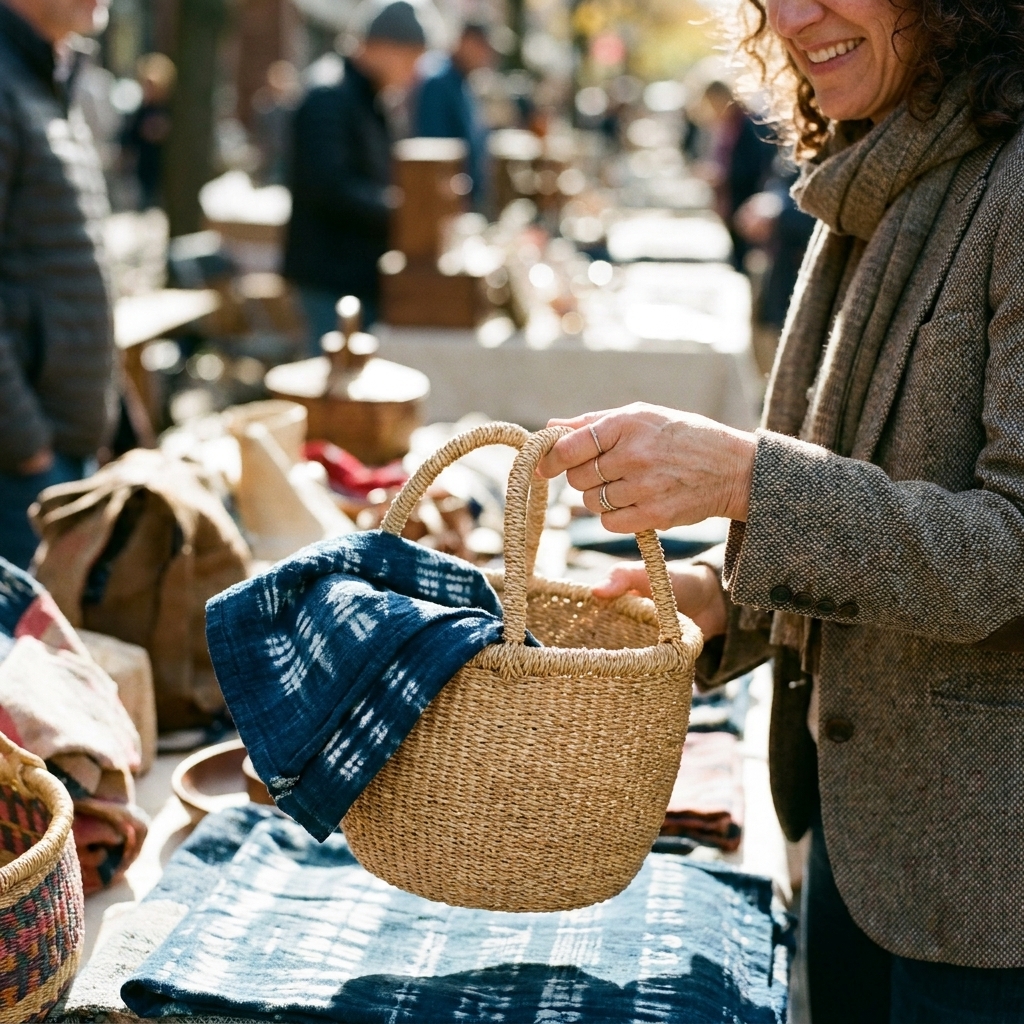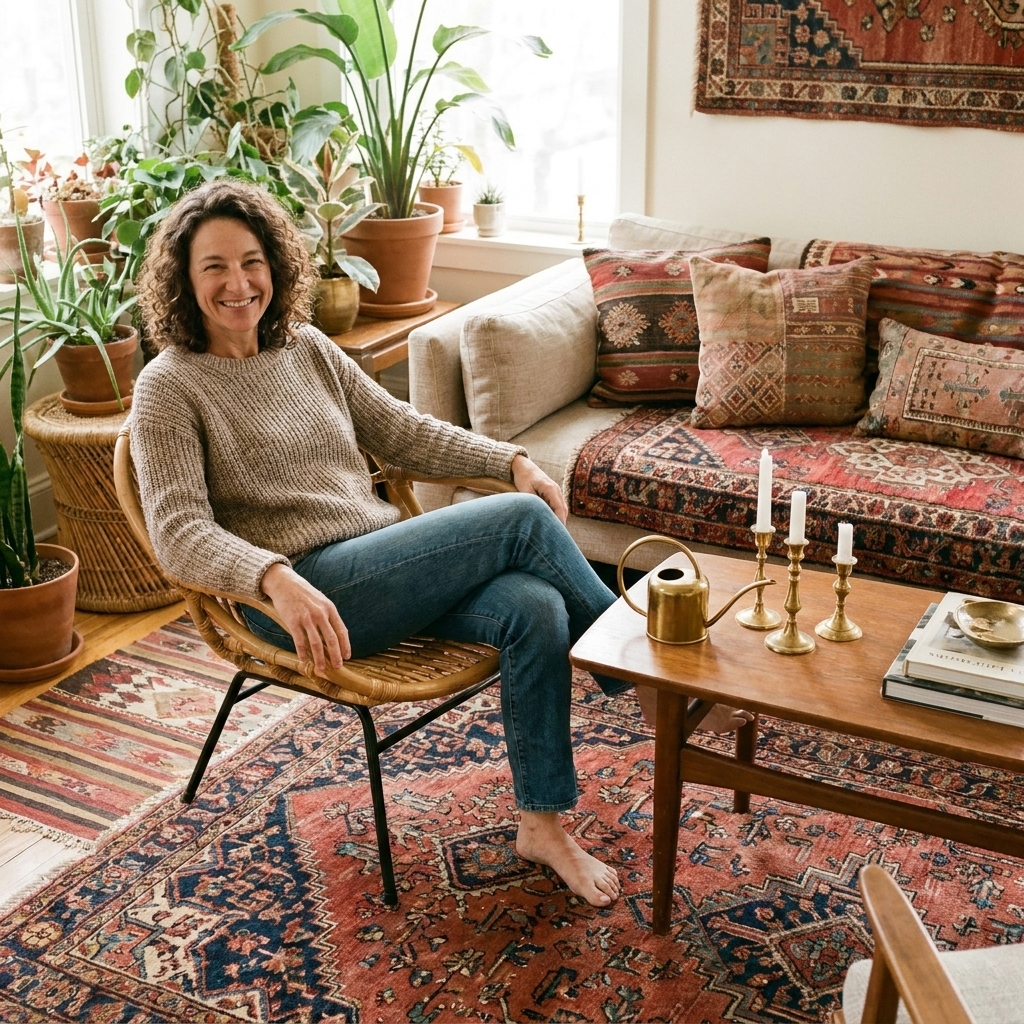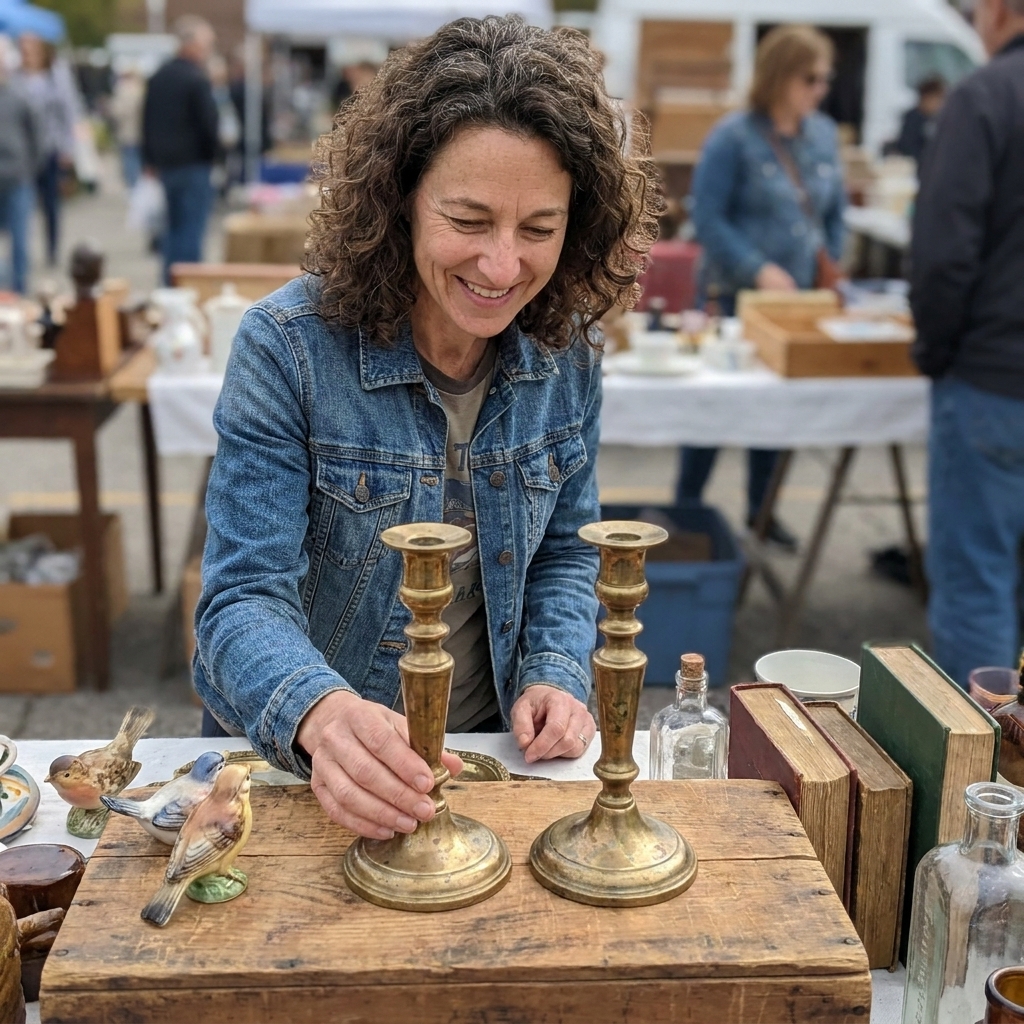

My favorite kind of Saturday is the one where I leave the house with coffee in one hand and a wrinkled stack of small bills in the other. Flea markets and estate sales are where the real stories live, the handwoven basket with a little sun-fade on one side, the brass tray that still smells faintly like incense, the framed textile that makes your whole room feel collected instead of copied.
If you have ever walked into a sale and felt instantly overwhelmed (or instantly tempted to impulse-buy everything), you are not alone. Over the years of decorating rentals on tight budgets and making plenty of trial-and-error purchases, I have learned that the best “global” finds are not about chasing trends. They are about learning to spot quality, ask the right questions, and negotiate kindly.
First, a quick mindset shift
When I say “authentic global decor,” I mean pieces that show real materials, real craftsmanship, and real life. Sometimes that does mean imported, handmade items. Sometimes it means vintage souvenirs, heirlooms, or older decor influenced by travel and trade. Either way, the goal is a home that feels layered and personal, not a perfectly themed set.
Two truths can coexist:
- You can love global-inspired style.
- You can source thoughtfully and avoid the sketchy stuff.
If you want to build a collected look without accidentally buying something misrepresented or culturally insensitive, you will like my approach: look for workmanship, learn a few identifiers, and buy what you genuinely plan to live with.
What to bring so you do not overpay (or overbuy)
A little prep keeps you calm, and calm shoppers negotiate better. Here is my grab-and-go list.
- Cash in small bills: Ones, fives, tens. It makes bundling easier.
- A tape measure: I keep a soft sewing tape in my bag.
- Phone notes: Jot down key measurements at home (console depth, shelf height, rug sizes you need).
- Reusable tote plus one sturdy bag: For textiles and fragile ceramics.
- Hand sanitizer and a small rag: A quick wipe can reveal a maker’s mark or true material.
- Reading glasses or a small magnifier: Tiny stamps matter.
- Simple wrapping: A few sheets of newspaper or packing paper, plus a spare tote, saves delicate finds on the drive home.
- Patience: Truly the most useful tool.
If you ever buy small furniture, measure your trunk opening and your back seat width once and keep it in your notes. It is a tiny step that prevents the “I cannot fit this gorgeous stool in my car” moment.
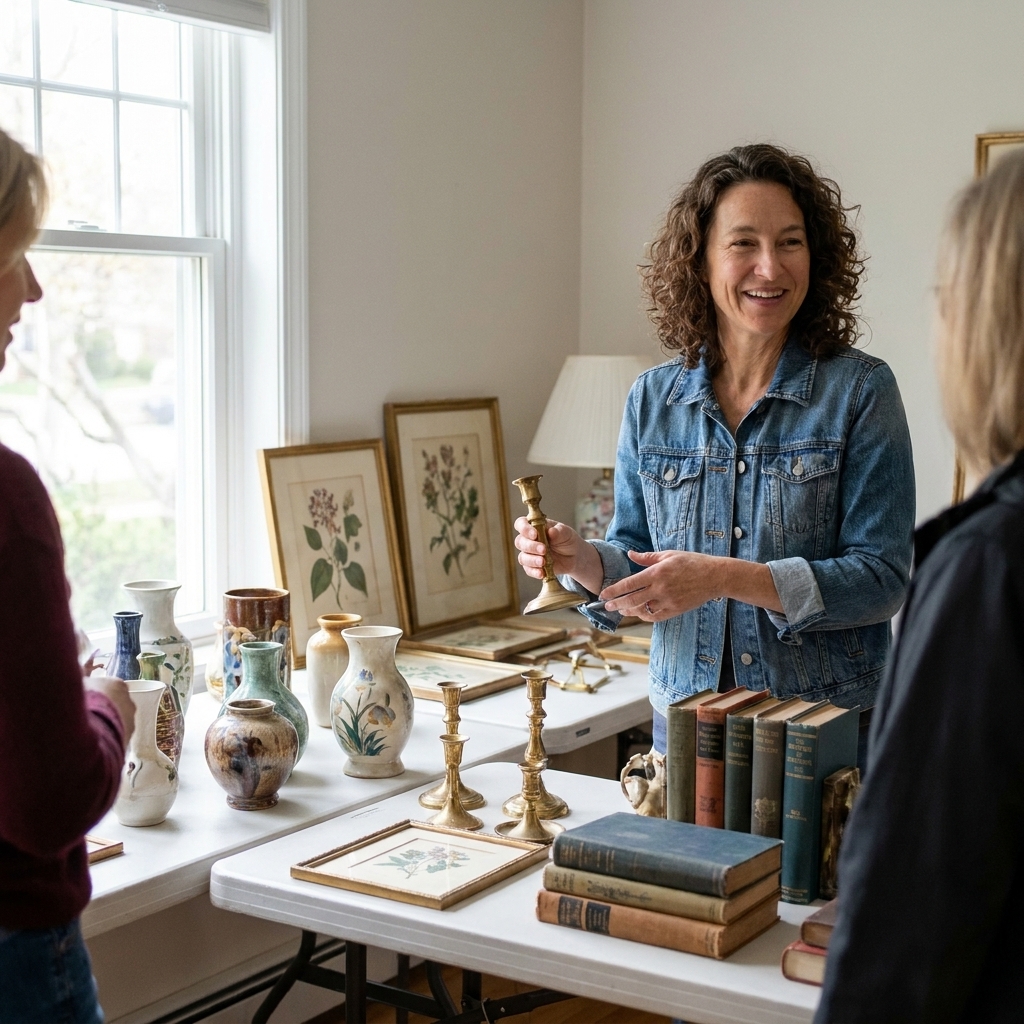
Flea market vs. estate sale
At flea markets, I go for the hunt
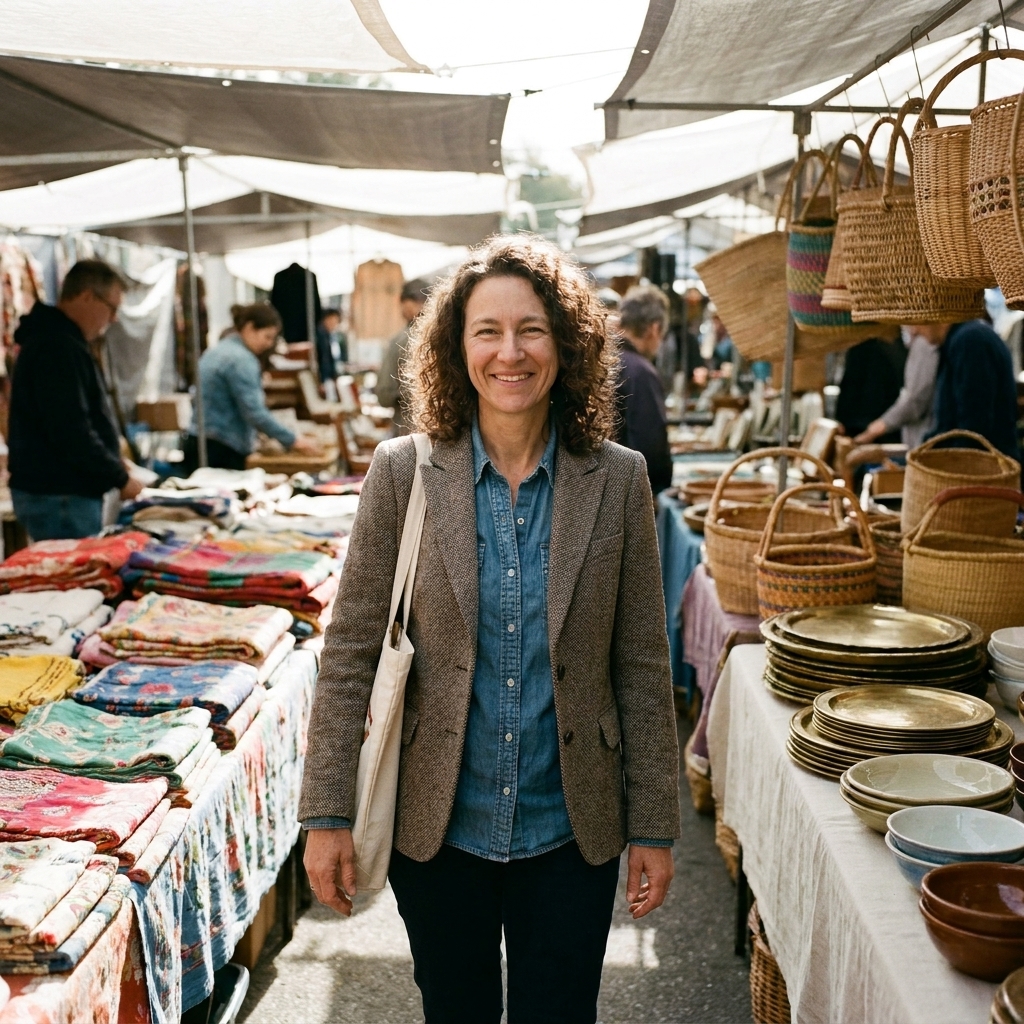
Flea markets are amazing for variety. You will see everything from import shop leftovers to true vintage to handmade. Because there are multiple vendors, I shop in two passes:
- Pass one: quick scan for standout items, check prices, take mental notes.
- Pass two: circle back to negotiate or bundle once I have context on what is “normal” that day.
The biggest flea market trap is buying the first decent thing you see. There is almost always another basket, another tray, another textile. Give yourself 30 minutes before you commit, unless it is genuinely uncommon (signed pottery, a rare textile, a piece you have never seen in your area).
At estate sales, I go for quality and context
In my experience, estate sales are often where I find the best craftsmanship for the lowest price, especially when a home has decades of collected items. My strategy:
- Arrive early for textiles, art, and small furniture.
- Arrive late (final day or final hours) for the best discounts.
- Look inside cabinets and closets if permitted. Sometimes the best pieces are tucked away.
Estate sales also tend to have more “why” behind the item. You might learn it was purchased on a trip, inherited, or handmade. Those details help you style with intention later, especially if you love a home that feels story-filled.
Big impact pieces on a budget
If you are building an eclectic boho space on a budget, these categories deliver the most atmosphere per dollar.
Textiles
- Indigo and block-print fabrics: Look for crisp printing, natural cotton, and slight irregularities that read handmade.
- Mudcloth and other woven panels: If you are curious about what to look for, I have a deeper guide on authentic mudcloth sourcing and styling.
- Vintage scarves: Great as table runners, pillow fronts, or framed.
- Handmade quilts: Not “global” in the imported sense, but absolutely “collected,” and they layer beautifully with global textures.
Textile rule I live by: if it feels good in your hands, it will probably look good in your room.
Brass, copper, and warm metals
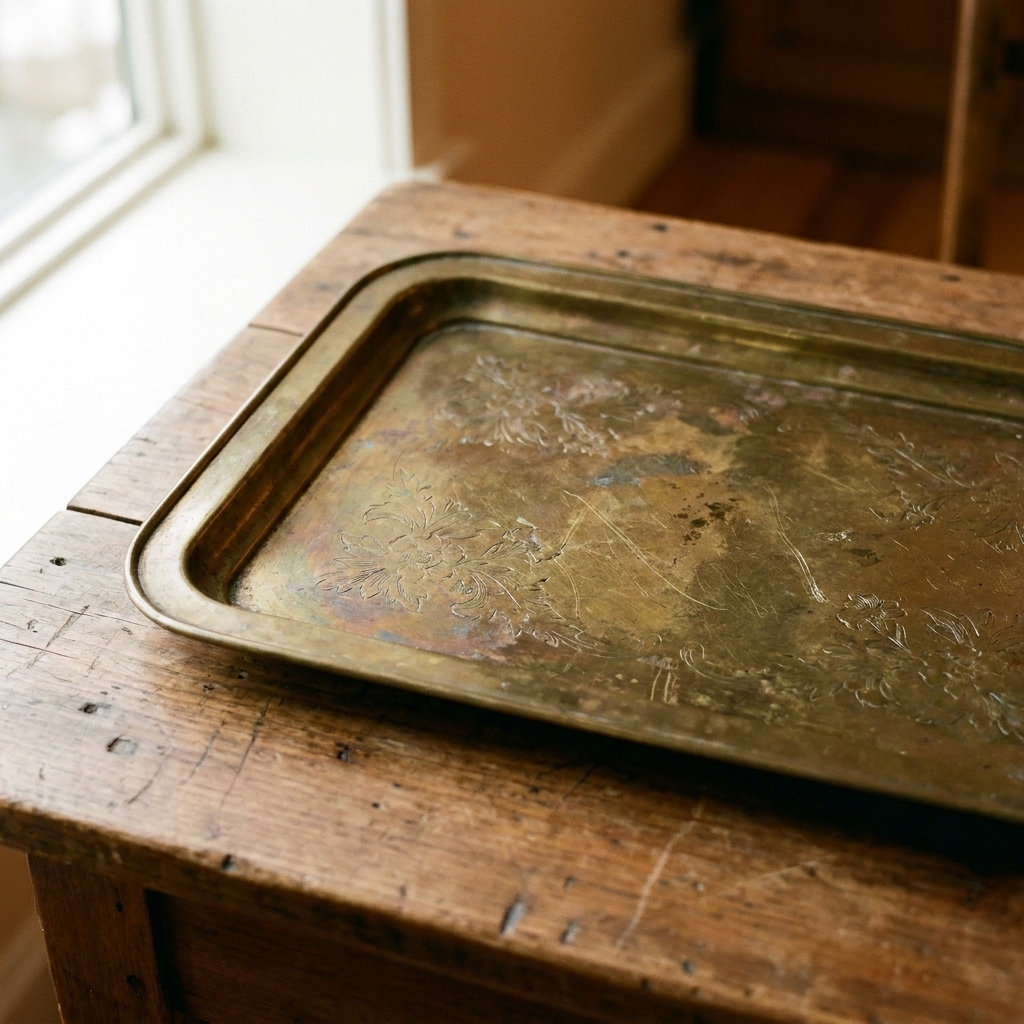
Trays, bowls, candlesticks, incense holders, and small boxes add instant depth. Look for patina, clean edges, and real metal instead of plated plastic. If you want to get confident about what you are holding, my brass guide is here: how to spot and polish vintage brass.
Woven items
Woven pieces are the unsung heroes of boho rooms. They soften hard lines and hide everyday clutter. I especially love seagrass and palm baskets for open shelving and blanket storage. If you need styling ideas, you will like these ways to use woven seagrass baskets.
Ceramics and pottery
Hand-thrown bowls and older glazed pots have an imperfect charm that reads global, even when the origin is local. Look for:
- Foot rings and throwing lines
- Glaze variation and pooling
- Maker’s marks or studio stamps
If you are mixing planters, I wrote a full styling approach here: mixing terracotta, glazed ceramic, and woven planters.
How to spot quality fast
You do not need to be an appraiser to avoid the flimsy stuff. You just need a few quick habits.
For textiles
- Fiber feel: Cotton, linen, and wool usually have a “real” hand feel. Polyester often feels slick or overly uniform.
- Edge and stitching: Hand-stitched hems and small inconsistencies can be a good sign.
- Dye behavior: Natural dyes often show subtle variation and soft shifts, not perfect uniformity. It is a clue, not a rule.
- Smell test: Musty does not always mean “ruined,” but it does mean “work.” Be honest about what you will actually clean.
For rugs specifically, I always plan to clean before bringing them into my space. If that is your world too, bookmark how to deep clean and deodorize secondhand rugs.
For baskets and woven decor
- Check the base: A stable, flat base matters if you plan to actually use it.
- Look for dryness: Super brittle reeds can crack quickly.
- Sniff for mildew: A light “old house” smell is one thing. Strong mildew is another.
Cleaning note from experience: many baskets and textiles are easy enough to freshen up, but some need gentle handling. Straw, fragile reeds, wool, silk, and heavily dyed pieces can react poorly to soaking or harsh cleaners, so I treat anything questionable like it is delicate until proven otherwise.
For brass and metal
- Weight: Heft can be a helpful clue, but it is not proof. Thin brass can be surprisingly light, and heavy pieces can be plated.
- Magnet test: Brass is not magnetic, so if it sticks, it is not solid brass. If it does not stick, it still could be another non-magnetic metal (like copper, aluminum, or certain alloys).
- Stamped markings: Flip pieces over. Even a simple “India,” “Morocco,” or maker stamp tells a story (and sometimes helps you avoid misrepresentation).
For wood and furniture
- Joinery: Dovetails and solid joints signal better build quality than staples and wobbly nails.
- Smell and softness: Watch for musty odor, soft spots, or fresh-looking sawdust that can hint at pests.
- Veneer vs. solid: Veneer is not automatically bad, but bubbled or peeling veneer is a pain unless you truly love a project.
Negotiation, but keep it kind
I am not aggressive at sales. I am friendly, clear, and practical. Most sellers respond well to that.
My favorite scripts
- Simple ask: “Would you take $20 for this?”
- Bundle offer: “If I take the tray and the two candleholders, what could you do for the set?”
- Condition-based: “I love it, but the crack means I will need to repair it. Would you be open to $15?”
- End-of-day: “I can pay cash and carry it out right now. Is there any flexibility on the price?”
What I do not do
- Insult an item to drive down the price.
- Haggle over a couple dollars if it is already a fair deal.
- Make a seller chase me around the table. If I want it, I pick it up and commit.
Bundling is almost always more effective than trying to shave a tiny amount off a single item.
Red flags I skip
A low price is not a deal if you will not use it, cannot clean it, or feel weird about it once you get home.
- Strong mold or pest evidence: Especially in baskets, upholstered items, and rugs.
- Mass-produced “tourist decor” sold as handmade: It is okay to buy it if you love it, but do not pay handmade prices for factory work.
- Overly fragile items for high-traffic spots: A delicate carved wood stool is not a great “everyday” entry bench in a busy household.
- Anything that reads sacred or ceremonial: If you do not know what it is, pause. I would rather bring home a gorgeous textile than a ritual object I cannot contextualize respectfully.
- Wildlife materials that raise legal or ethical questions: If something looks like ivory, tortoiseshell, certain exotic skins, or protected shells, I leave it. If I cannot confidently identify it and confirm it is legal, it is not worth the risk.
- Too-good-to-be-true “antique cultural” bargains: If the story feels pushed and the price feels suspicious, I walk away. I would rather buy from sources who can speak clearly about what they are selling than gamble on something that should not be on a folding table in the first place.
Estate sale gems in plain sight
Some of my best global-feeling finds did not scream “global” at all until I styled them.
Sleeper categories
- Frames: Vintage frames make textiles and travel art look intentional. If you want help mixing frames and art, see my eclectic gallery wall approach.
- Serving pieces: Wooden boards, trays, and brass bowls layer beautifully in kitchens and dining areas. I love building “everyday tablescapes” with this kind of stuff, and I wrote more here: eclectic tablescapes with block print and natural wood.
- Books: Old travel guides, art books, and photography books add instant soul to shelves.
- Planters and stands: Estate sales are great for plant stands, cachepots, and baskets that can become planters.
Authenticity without anxiety
I buy pieces that feel like they were made by hands, built to last, and meant to be used. That is it. I do not need a perfect origin story for every item, but I do try to avoid paying for a story that is clearly being manufactured at the table.
If you love the look of global textiles, start there. As a general rule of thumb, textiles are a respectful entry point because they are functional, widely traded, and easy to live with in everyday spaces. When you want to go deeper, learn a few identifiers for the regions and techniques you are drawn to and build a collection slowly.
Style your finds so they look collected
This is where the magic happens. The secret is not matching. It is repeating a few elements so everything feels like it belongs.
Use the repeat-three trick
Choose three repeatable threads and echo them around the room:
- Color: clay, indigo, olive, amber
- Material: brass, rattan, raw wood, linen
- Shape: rounded baskets, low bowls, arched frames
Layer, do not scatter
- Stack two to three baskets instead of placing one lonely basket in every corner.
- Group metals together (brass with brass) so patina looks intentional.
- Fold textiles and drape them in one or two high-impact spots.
Mix patterns with a quiet buffer
If you are new to pattern mixing, keep one solid or subtly textured item nearby (a linen pillow, a jute rug, a plain throw) to give your eye a place to rest. My full pattern-mixing method is here: how to mix bold patterns without clashing.
Let plants soften everything
One of the easiest ways to make global decor feel alive is to tuck greenery around it: a trailing pothos near a basket wall, a big leafy plant beside a carved stool, a little cluster of terracotta pots on a brass tray.
If you want to style greenery like a pro (without turning your home into a jungle overnight), this is my go-to guide: arrange houseplants like a designer.
Quick FAQ
Should I buy something if I cannot verify where it is from?
Yes, if you love it for its materials and craftsmanship and the price reflects what it is. No, if the seller is pushing a dramatic origin story that feels like a sales tactic.
When is the best time to negotiate?
At flea markets, after you have walked the whole market and know what prices look like. At estate sales, later in the day or on discount days. If it is a true unicorn item, you may pay full price and still win.
How do I avoid ending up with clutter?
Shop with a short list: one textile, one basket, one small accent. Also, choose “upgrade” purchases. If you find a better tray, donate the old tray. Your home stays layered, not crowded.
What is the safest first purchase?
A textile or a basket, as long as you choose something you can realistically clean and maintain. Some materials (wool, silk, fragile straw, heavily dyed fabrics) need gentler methods, so I avoid anything high-maintenance unless I am truly committed.
Leave room for the best find
I try to never spend my whole budget in the first 20 minutes, even if I am excited. The best piece is often the one you find after you have settled into the hunt, when your eyes adjust and you start noticing details.
And if you leave empty-handed? That is still a win. Every market trip sharpens your taste, and that taste is what makes an eclectic home feel like you.
If you want more secondhand strategy, start with Budget Boho Thrifting and build your own treasure-hunting rhythm.